Leave Your Message
0%

So, why are Power Grid Transformers actually a big deal? Well, they play a crucial role in getting electricity from those big power plants right into our homes, hospitals, factories—basically anywhere we need power. What they do is adjust voltage levels, so electricity can travel efficiently over long distances and then be dialed down for local use. Honestly, without these transformers, reliable electricity delivery across widespread areas would be pretty much impossible. They’re kind of the unsung heroes in our electrical systems—rarely making noise or drawing attention—yet, if something goes wrong, entire communities can be affected.

John J. Winders, who wrote *Power Transformers: Principles and Applications*, breaks down the basic idea nicely—it's all about electromagnetic induction. To put it simply, a transformer moves electrical energy between circuits by changing the voltage through magnetic fields. Sounds straightforward, right? But, in real life, these big units can be super heavy—sometimes weighing tons—and they contain insulating oil and rely on cooling systems, bushings, and other protective gadgets. Engineers have to keep an eye on things like temperature, oil quality, and electrical signals to catch problems early before they turn into outages.

And it’s not just about the technical stuff—it’s also about making sure our power grid stays resilient. Finding a spare transformer isn’t quick; it can take months to produce and deliver, so utilities usually plan ahead for repairs and replacements. Even small issues like a cracked insulator or a slightly overheated connection can be a big deal long before a major failure happens. Of course, monitoring systems can’t catch every single fault, and maintenance plans only work if the inspection data is solid. That’s why understanding transformers isn’t just about voltage ratings—it also involves knowing how old they are, how they’re operating, and what role they play in the bigger network. This article dives into how transformers keep our power flowing reliably, what kinds of problems can threaten their performance, and why smart planning really matters.
Why Are Power Grid Transformers Important?

What Is a Power Grid Transformer?

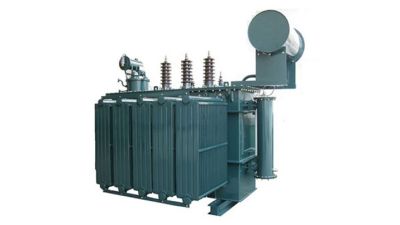
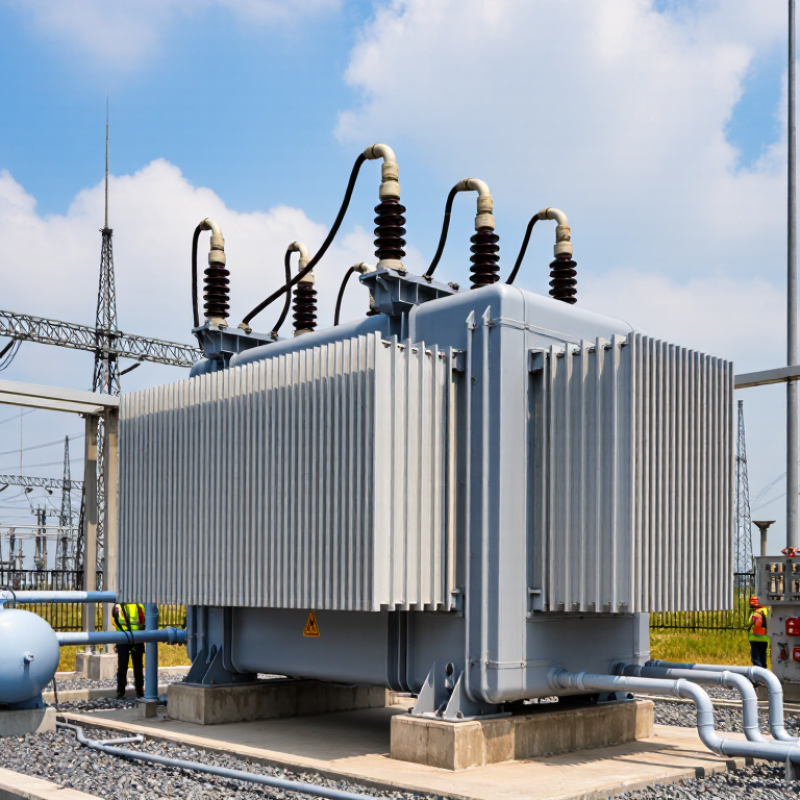
A power grid transformer is a device that changes electrical voltage through electromagnetic induction. It has two or more coils around a magnetic core. Alternating current in one coil creates a changing magnetic field, inducing voltage in another. The coils’ turns ratio determines whether voltage rises or falls. Simple in principle. Essential in practice. Large power transformers raise voltage for long-distance transmission, reducing current and limiting energy lost as heat. Substations then use transformers to lower voltage for local distribution. A Distribution Grid Transformer typically steps medium-voltage electricity down to levels suitable for homes, shops, and smaller facilities.

Transformers are not interchangeable boxes. Their rated capacity, insulation, cooling method, and operating environment affect safety and reliability. A unit beside a quiet rural road may face different demands from one serving a dense city. The International Energy Agency’s Electricity Grids and Secure Energy Transitions report (2023) says the world may need to add or replace 80 million kilometres of grids by 2040. That scale makes dependable grid equipment, including transformers, increasingly important. Still, new infrastructure alone is not enough; maintenance and careful load planning matter, too.

Tips: Check the nameplate for voltage, capacity, and cooling details before assessing a unit. Keep vents clear and watch for unusual heat, oil leaks, or persistent humming. Small changes can signal trouble. But visual checks cannot replace qualified testing, and I may be overlooking site-specific conditions. Refer to inspection procedures and technical guidance from the responsible utility or engineer.

How Transformers Change Voltage Across the Grid

Electricity leaves a power station at a moderate voltage. A Grid Transmission Transformer raises it before the electricity travels long distances. Higher voltage allows the same power to move with lower current. That reduces heat and energy loss in transmission lines. The effect is practical: less power disappears along hundreds of kilometers of cable.

At a receiving substation, another transformer lowers the voltage for regional networks. Smaller transformers reduce it again for neighborhoods, schools, and factories. This staged change protects equipment and supports stable delivery. Inside each unit, insulated coils transfer energy through a magnetic field. Cooling systems remove heat, while monitoring equipment checks temperature, oil condition, and unusual electrical activity. During inspections, technicians may listen for new humming or examine small leaks around seals. Tiny changes can reveal developing problems.

Voltage control is not perfectly simple. Load demand shifts throughout the day, so tap changers adjust the ratio between windings. Storms, aging insulation, and sudden demand can still test the system. No transformer is perfectly efficient. Every design balances capacity, cooling, cost, and reliability. A larger transformer may handle growth better, but it can waste more energy under light loads. That trade-off deserves regular review, not automatic approval. Even a quiet substation contains moving electrical conditions that require skilled maintenance and careful records.

Why Are Power Grid Transformers Important?

How Transformers Change Voltage Across the Grid

Transformers adjust electricity to different voltage levels as it moves through the grid. Voltage is increased for efficient long-distance transmission, then reduced in stages for safer distribution and household use. The values shown are representative nominal voltage levels commonly used in power systems; actual levels vary by country and network design.

Why Voltage Conversion Makes Power Transmission Efficient

Electricity must travel from generating stations to distant towns, often across many kilometres of conductor. For the same power, higher voltage allows lower current. Current falls sharply. Lower current reduces resistive heating because line loss follows the relationship I²R. That small change in current has a large effect on wasted energy and conductor temperature.

A transformer makes this voltage conversion practical through electromagnetic induction. Alternating current enters one winding and creates a changing magnetic field in an iron core. That field induces a different voltage in another winding. At a transmission substation, the transformer steps voltage up for the journey. Near homes and factories, another transformer steps it down to safer, usable levels. Suppose a line carries 100 megawatts at 10 kilovolts. The current is roughly 10,000 amperes. At 100 kilovolts, it is about 1,000 amperes, before power-factor details. The lower current can reduce resistive losses by approximately one hundred times, if resistance stays unchanged.

Transformers are not perfectly efficient. Copper windings produce heat, while the core suffers hysteresis and eddy-current losses. Cooling equipment, insulation checks, oil testing, and temperature monitoring help keep performance dependable. Nothing is free. The simple textbook story is useful, but incomplete. A loose connection, overloaded circuit, or blocked cooling path can erase expected gains. Engineers must also match transformer capacity to changing demand, because lightly loaded and overloaded units behave differently. In practice, the quiet hum of a substation transformer often signals energy moving through a carefully controlled voltage change.

How Transformers Connect Power Plants, Networks, and Communities

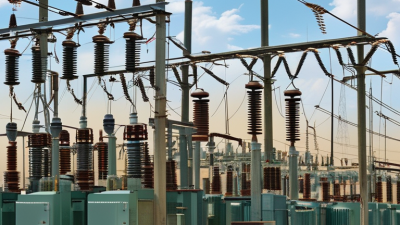
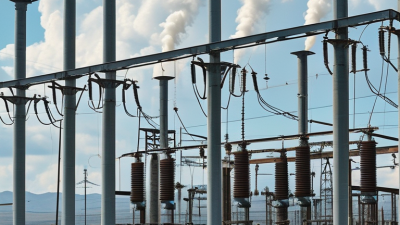
A power grid is a chain of controlled voltage changes. At a power plant, step-up transformers raise voltage for long-distance transmission. Higher voltage reduces current and limits energy lost as heat. Near towns, substations reduce voltage before electricity enters local networks and homes.

This connection becomes harder as demand grows. The International Energy Agency reported in Electricity Grids and Secure Energy Transitions that the world may need 80 million kilometres of new or replaced grids by 2040. It also estimates annual grid investment must rise above 600 billion dollars by 2030. Transformers are the physical hinges in that expansion. A Grid Phase-Shifting Transformer can redirect active power between transmission routes. It helps balance overloaded corridors and supports cross-border network coordination. The U.S. Department of Energy has reported that large transformer procurement can exceed 36 months. That delay can leave a completed line waiting for one critical asset. Not ideal.

Engineers should inspect loading patterns, cooling systems, noise, oil condition, and protection settings together. A transformer may pass a factory test yet struggle in a hot, crowded substation. Community reliability also depends on maintenance access and spare-unit planning. One weak assumption is treating transformers as interchangeable. Ratings, impedance, insulation, and transport limits differ.

Tips: Map the full path from generator to household. Check future demand, not only today’s peak. Keep tested spare capacity where replacement delivery is slow. Document every setting change. Small errors can travel far.

How Grid Transformers Help Maintain Reliable Electricity Supply

A reliable electricity supply begins long before power reaches a wall socket. At substations, a Power Transformer raises or lowers voltage for different stages of the grid. Higher voltage allows electricity to travel long distances with less energy lost as heat. Near towns, transformers reduce that voltage to safer, usable levels. This controlled movement helps keep factories, hospitals, and homes supplied during changing demand. A transformer is not merely a large metal box. It is a carefully monitored link between generation and daily life.

In practical grid work, reliability depends on more than transformer size. Cooling systems remove heat from windings, while insulating fluid helps prevent electrical breakdown. Tap changers adjust voltage when demand shifts, sometimes within minutes. Protective relays detect faults and isolate damaged equipment before problems spread. Technicians inspect bushings, seals, oil condition, and unusual vibration. Small warning signs matter. A faint hot smell or rising temperature can reveal stress that instruments later confirm.

Even well-designed equipment can fail. Weather, aging materials, maintenance delays, and sudden load changes create real pressure. Utilities schedule inspections, maintain replacement capacity, and test emergency procedures. Standards and measured field data guide these decisions, not guesswork alone. Still, no grid is flawless. A missed detail can interrupt service, so engineers review incidents honestly and refine protection settings, maintenance intervals, and operating plans.

What Can Cause Transformer Failures and Power Disruptions?

Why Are Power Grid Transformers Important?

What Can Cause Transformer Failures and Power Disruptions?

Transformers keep electricity moving between high-voltage transmission lines and local distribution networks. Their failure can interrupt service and complicate restoration. The U.S. Department of Energy’s report Large Power Transformers and the U.S. Electric Grid noted that many large transformers were decades old, raising concerns about aging equipment. Age alone does not predict failure, though. Heat, moisture, and repeated electrical stress can gradually weaken insulation inside a transformer. A hidden problem may become costly before anyone sees smoke or hears a warning.

Lightning and switching surges can damage windings or bushings. Overloads raise internal temperatures, while blocked radiators or failing cooling fans make heat harder to remove. Contaminated insulating oil and loose connections can also contribute to faults. In the field, small clues matter: unusual humming, oil leaks, hot spots, or sudden changes in dissolved gases. None proves a failure is imminent. Still, ignoring several warning signs is a poor bet. Maintenance teams use inspections and oil testing to spot deterioration, but monitoring does not prevent every outage.

Tips: Record temperature, load, and oil-test trends over time. Check cooling equipment and bushings during routine inspections. After severe storms, inspect for damage before restoring equipment to heavy service. Keep spare parts and response plans ready; replacing a large transformer can take months. Shortcuts are tempting. They can leave a weak point unnoticed.

A Practical Guide to SZ Series Three Phase OLTC Oil Immersed Power Transformers

Three-phase power systems must maintain a dependable voltage as demand shifts throughout the day. The International Energy Agency’s *Electricity 2024* report projects that global electricity demand will grow by an average of about 3.4% annually from 2024 to 2026, increasing pressure on distribution networks to manage changing loads. The SZ Series oil-immersed transformer addresses this need with on-load tap changing (OLTC), allowing operators to adjust voltage while the transformer remains energized and power continues to flow. This makes it a practical option for networks where voltage stability matters and interruptions are undesirable.

Designed for systems up to 35 kV and distribution capacities of 2,500 kVA and above, the SZ Series combines three-phase transformation with real-time tap adjustment. Its fully sealed tank and thermal management design support stable operation and help reduce routine maintenance needs. These features suit applications such as renewable energy integration, urban substations, industrial facilities, and data-critical infrastructure, where load conditions can vary and reliable voltage regulation is essential.

As grids accommodate growing demand and more variable sources of generation, transformers with flexible voltage control can help operators respond to changing network conditions. Selecting an SZ Series unit requires matching its voltage rating, capacity, and tap-control requirements to the specific installation and expected load profile.

FAQS

How do transformers move electricity from plants to homes?

Step-up transformers raise voltage at power plants for long-distance transmission. Near towns, substations lower it for local networks and homes. That’s the basic chain.

Why does higher voltage help during transmission?

Higher voltage reduces current, limiting heat-related energy losses along transmission lines. It does not remove every grid loss.

What does a phase-shifting transformer do?

It redirects active power between transmission routes. This can ease an overloaded corridor and help coordinate connected networks.

What can delay grid expansion?

New lines need transformers, transport planning, and suitable substation space. Large units can take more than 36 months to procure. A finished line may wait for one missing transformer.

What conditions can damage a transformer?

Heat, moisture, repeated electrical stress, lightning, and switching surges can weaken insulation or damage components. Overloads and blocked radiators add heat. Small clues matter.

Which warning signs should maintenance teams watch?

Watch for unusual humming, oil leaks, hot spots, loose connections, or sudden changes in dissolved gases. None proves failure is near. Patterns matter more.

How can teams reduce outage risks?

Track load, temperature, and oil-test results over time. Inspect cooling fans, radiators, and bushings. After storms, check for damage before returning equipment to heavy service.

Are transformers interchangeable?

Not reliably. Ratings, impedance, insulation, and transport limits vary. Spares should match the actual system, not just look similar on paper. Small differences are easy to underestimate.

Conclusion

A Power Grid Transformer is a key electrical device that transfers energy between circuits while changing voltage levels. Across the grid, transformers increase voltage for long-distance transmission and reduce it before electricity reaches local networks, businesses, and homes. This voltage conversion lowers energy losses in transmission lines, making the delivery of electricity more efficient and economical. Transformers also create important connections between power plants, regional networks, distribution systems, and communities, allowing electricity to move smoothly from where it is generated to where it is needed.

Beyond voltage control, transformers support a reliable electricity supply by helping balance network operations and maintain suitable power conditions. However, failures can occur because of overheating, insulation deterioration, excessive electrical stress, moisture, physical damage, poor maintenance, or severe weather. A damaged transformer may interrupt power service, affect nearby networks, and require careful inspection or replacement. Regular monitoring, proper protection, and timely maintenance are therefore essential for keeping the power grid stable and reducing the risk of widespread disruptions.


Emma

Emma

Emma is a dedicated marketing professional at a leading transformer manufacturer with a strong focus on power transmission and distribution equipment. With a deep understanding of the company's core products, she plays a vital role in communicating the technical advantages and innovations that set......
Previous How to Choose a Power Station Transformer?