Leave Your Message
Core equipment engineered to withstand heavy electro-thermal fluctuations, low-frequency harmonics, and continuous load dynamics in metallurgical substations.

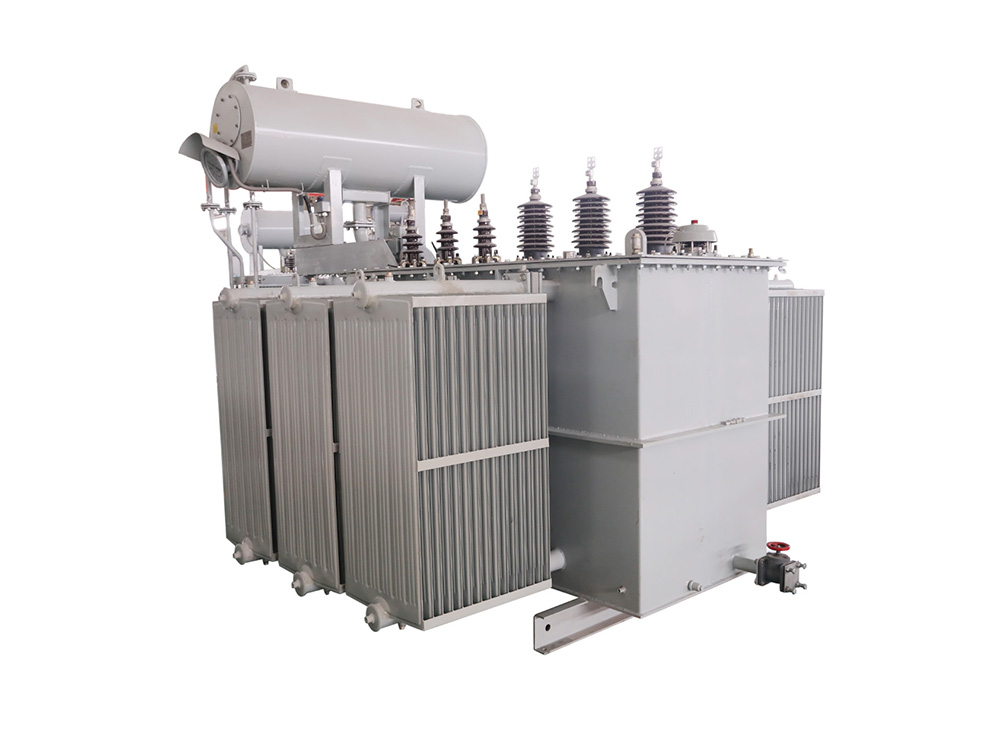
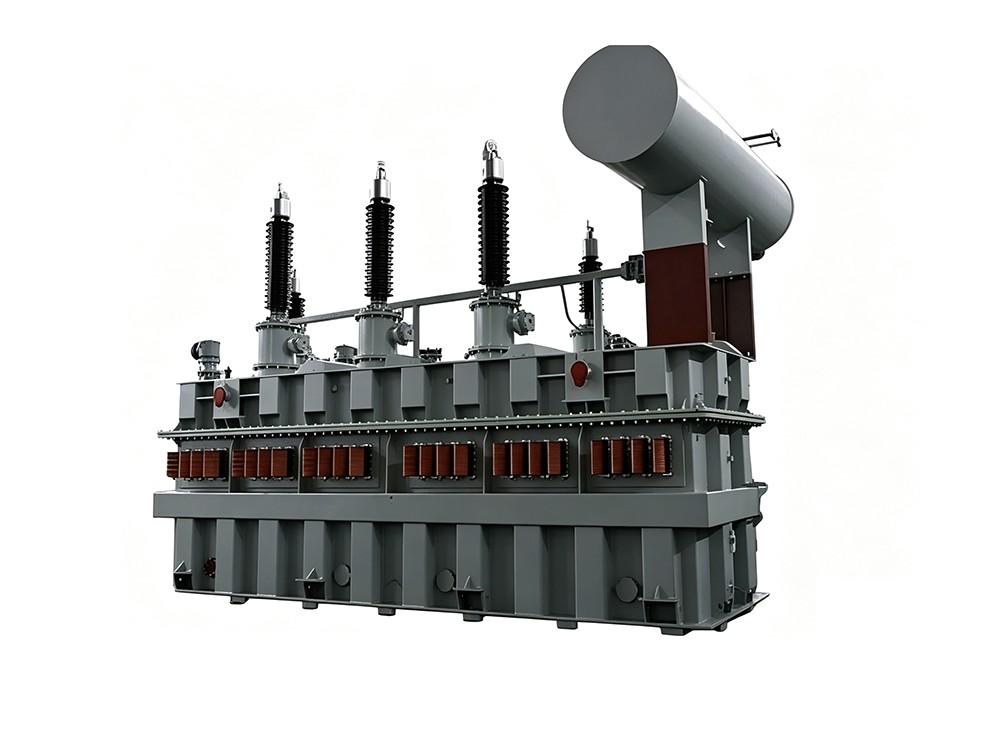
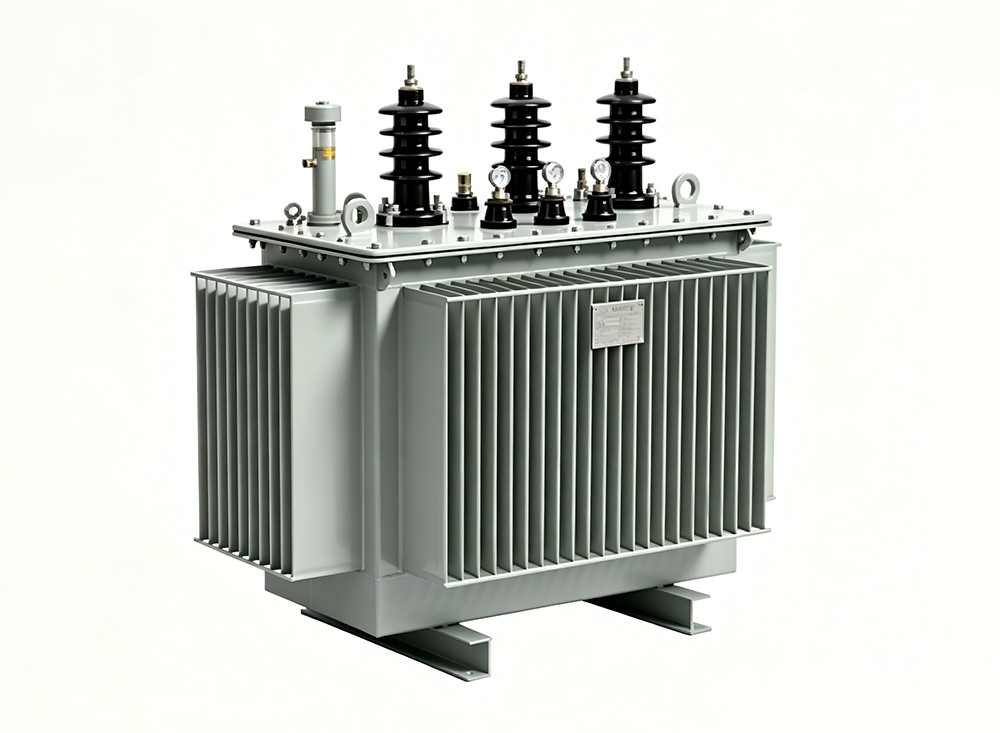
Decoding the high-stress electrical environment of modern green steelmaking, electric arc furnaces, and secondary refining power infrastructures.
The global steel industry is undergoing an unprecedented structural transition driven by decarbonization targets, energy efficiency mandates, and the widespread shift from integrated blast furnace-basic oxygen furnace (BF-BOF) routes to scrap-based Electric Arc Furnace (EAF) and secondary ladle metallurgical operations. Modern electric steelmaking is characterized by massive electrical throughput, where megawatt-scale power demands are modulated in real time. In this hyper-dynamic operational theater, electrical stability, precise instrumentation, and high-frequency power quality telemetry are critical for equipment survival and grid compliance.
At the center of high-voltage step-down substations and furnace power transformation topologies lies the Capacitive Potential Transformer (CPT / CVT). Unlike traditional inductive voltage transformers, a capacitive potential transformer utilizes a series capacitor divider network coupled with an electromagnetic intermediate transformer and tuning reactor. This dual-purpose architecture not only steps down transmission voltages (such as 35kV, 110kV, 220kV, and above) to standardized secondary metering levels (100V / 110V), but also serves as a robust capacitive coupling port for Power Line Carrier (PLC) communications, high-frequency harmonic tracking, and dynamic voltage transient capture.
During scrap breakdown and initial bore-in stages, electric arcs exhibit chaotic short-circuit to open-circuit swings, generating extreme di/dt and dv/dt surges that compromise standard electromagnetic measurement units.
Non-linear arc resistance injects substantial 2nd, 3rd, 5th, and 7th integer harmonics, as well as non-integer interharmonics, demanding superior frequency response and active anti-resonance damping from CPT networks.
With metallurgy facilities consuming gigawatt-hours annually, capacitive potential transformers must maintain IEC 0.2 / 0.5 revenue metering accuracy despite extreme ambient magnetic and thermal interference.
The integration of high-capacity capacitive potential transformers in steel plant switchyards mitigates the catastrophic risks of ferroresonance—a recurring failure mode in pure inductive transformers caused by core saturation interacting with system capacitance during line switching or single-phase grounding faults. By optimizing the damping resistor circuits and tuning reactors in the intermediate electromagnetic unit (EMU), modern CPT systems deliver unrivaled transient suppression, ensuring uninterrupted operation for main furnace transformers and active harmonic filtration systems.
Detailed analysis of capacitive voltage division, electromagnetic intermediate coupling, and anti-ferroresonance damping circuitry under severe smelting loads.
The primary section of a metallurgical-grade Capacitive Potential Transformer comprises a series stack of high-stability capacitor elements housed within hermetically sealed porcelain or composite silicone rubber insulators. Each capacitive element utilizes premium polypropylene film and kraft paper dielectric impregnated with synthetic aromatic hydrocarbon insulating oil, achieving an ultra-low dielectric dissipation factor (tan δ ≤ 0.001) across extreme ambient operating temperatures (-40°C to +55°C).
This capacitor stack (divided into high-voltage capacitor $C_1$ and intermediate-voltage capacitor $C_2$) performs direct voltage division, reducing the primary transmission voltage to an intermediate level typically between 10kV and 20kV. Because the capacitive divider is non-inductive, it provides natural attenuation against lightning impulses and high-frequency switching transients generated by vacuum circuit breakers and SF6 breaker switching during frequent furnace electrode tap changes.
The intermediate voltage is subsequently stepped down to standard secondary instrument levels (100V, 110V, 100/√3V, or 110/√3V) through an oil-immersed Electromagnetic Unit (EMU). The EMU incorporates an inductive tuning reactor connected in series with the primary winding of the intermediate step-down transformer to cancel the capacitive reactance of ($C_1 + C_2$) at fundamental power frequency (50Hz / 60Hz), eliminating phase-angle shift and ratio errors.
To eliminate subharmonic ferroresonance triggered by switching surges or arc furnace arc extinguishment, a dedicated damping circuit—either passive fast-saturation reactor damping or active electronic solid-state damping—is connected across the residual voltage winding (broken delta). This dampens subharmonic oscillations within fewer than 10 cycles, safeguarding relay protection coils from thermal destruction.
| Parameter | 35kV Metallurgy Class | 110kV Furnace Grid Class | 220kV Main Substation Class |
|---|---|---|---|
| Nominal System Voltage ($U_n$) | 35 kV (Max 40.5 kV) | 110 kV (Max 126 kV) | 220 kV (Max 252 kV) |
| Rated Capacitance ($C_n = C_1 + C_2$) | 5000 pF to 20000 pF | 2000 pF to 10000 pF | 1500 pF to 5000 pF |
| Accuracy Classes (Metering / Protection) | 0.2, 0.5, 3P, 6P (IEC 61869-5) | 0.2, 0.5, 3P, 6P (IEC 61869-5) | 0.1, 0.2S, 3P, 6P (IEC 61869-5) |
| Partial Discharge Level @ 1.2 $U_m / \sqrt{3}$ | ≤ 5 pC | ≤ 5 pC | ≤ 2 pC |
| Dielectric Loss Factor ($\tan \delta$) | ≤ 0.0010 @ 20°C | ≤ 0.0008 @ 20°C | ≤ 0.0005 @ 20°C |
| PLC Carrier Coupling Bandwidth | 30 kHz – 500 kHz | 30 kHz – 500 kHz | 40 kHz – 500 kHz |
From high-power electric arc melting to static var compensation and automated secondary refining buses.
EAF operations require frequent transformer tap changes—often exceeding 100 on-load operations daily—to regulate arc power during melting, refining, and slagging. Capacitive Potential Transformers installed on the primary 35kV/110kV feeding bus provide rapid voltage tracking with zero core saturation, driving closed-loop electrode regulator algorithms to balance three-phase arc impedance and prevent asymmetrical electrode wear.
Due to severe reactive power fluctuations and voltage flicker in scrap melting, SVCs and STATCOMs are standard in modern mills. CPTs deliver instantaneous, distortion-free secondary phase-angle signals directly to IGBT pulse-width modulation (PWM) firing controllers, enabling sub-cycle reactive current injection and point-of-common-coupling (PCC) voltage stabilization.
Secondary refining units demand ultra-precise metallurgical temperature control via micro-arc heating. CPT units feed differential protection relays, overcurrent interlocking, and power calculation microcontrollers, ensuring precise heat inputs while isolating sensitive digital instrumentation from high-current inductive bus noise.
In DC electric arc furnaces and ferroalloy submerged arc smelting, rectifier transformers convert high voltage AC into high-ampacity DC. Capacitive Potential Transformers installed upstream capture commutation notches and harmonic phase shifts, enabling thyristor firing controllers to prevent phase-lock drift and harmonic-induced rectifier misfires.
The convergence of IEC 61850 digital process buses, optical-capacitive hybrid sensing, and real-time insulation analytics in metallurgical power systems.
Next-generation capacitive potential transformers integrate electronic merging units (MU) directly at the switchyard level. Analog secondary voltages are converted into sampled values (SV) transmitted over noise-immune optical fiber networks, completely removing ground potential rise hazards across steelworks.
With IEEE 519 and EN 50160 grid codes imposing stringent penalty structures for metallurgical plants, advanced CPTs incorporate linear wideband calibration units capable of accurately metering harmonics up to the 50th order (2.5 kHz) without phase dispersion.
Modern CPT installations deploy continuous online dielectric loss ($\tan \delta$) and leakage current telemetry. AI algorithms correlate thermal cycles, ambient humidity, and transient load spikes to forecast capacitor pack aging, virtually eliminating catastrophic substation outages.
According to comprehensive industry forecasts, the global market for specialized furnace power transformation and high-voltage instrument transformers is projected to expand significantly over the next decade. This growth is accelerated by the modernization of aging metallurgy substations in North America and Europe, alongside extensive steel infrastructure capacity additions in Central Asia, Southeast Asia, and Latin America. As green hydrogen direct reduced iron (H2-DRI) and continuous electric smelting technologies mature, the demand for ultra-reliable, maintenance-free Capacitive Potential Transformers engineered to withstand harsh chemical, thermal, and electrical environments will continue to surge.
Quality excellence and customer satisfaction remain the core values that guide every aspect of XINSANHUAN’s business operations. Through strict quality assurance, reliable delivery schedules, and comprehensive after-sales support, the company has earned the trust and long-term cooperation of customers around the world. Its commitment to providing dependable products and professional services has established a strong reputation within the global power equipment industry.
Every transformer and voltage instrumentation solution undergoes stringent multi-stage testing conforming to ISO 9001, IEC, and IEEE international standards. From high-voltage partial discharge testing and lightning impulse withstand verification to temperature-rise and short-circuit capability certifications, XINSANHUAN delivers unrivaled mechanical and dielectric robustness under the most demanding industrial metallurgical conditions.
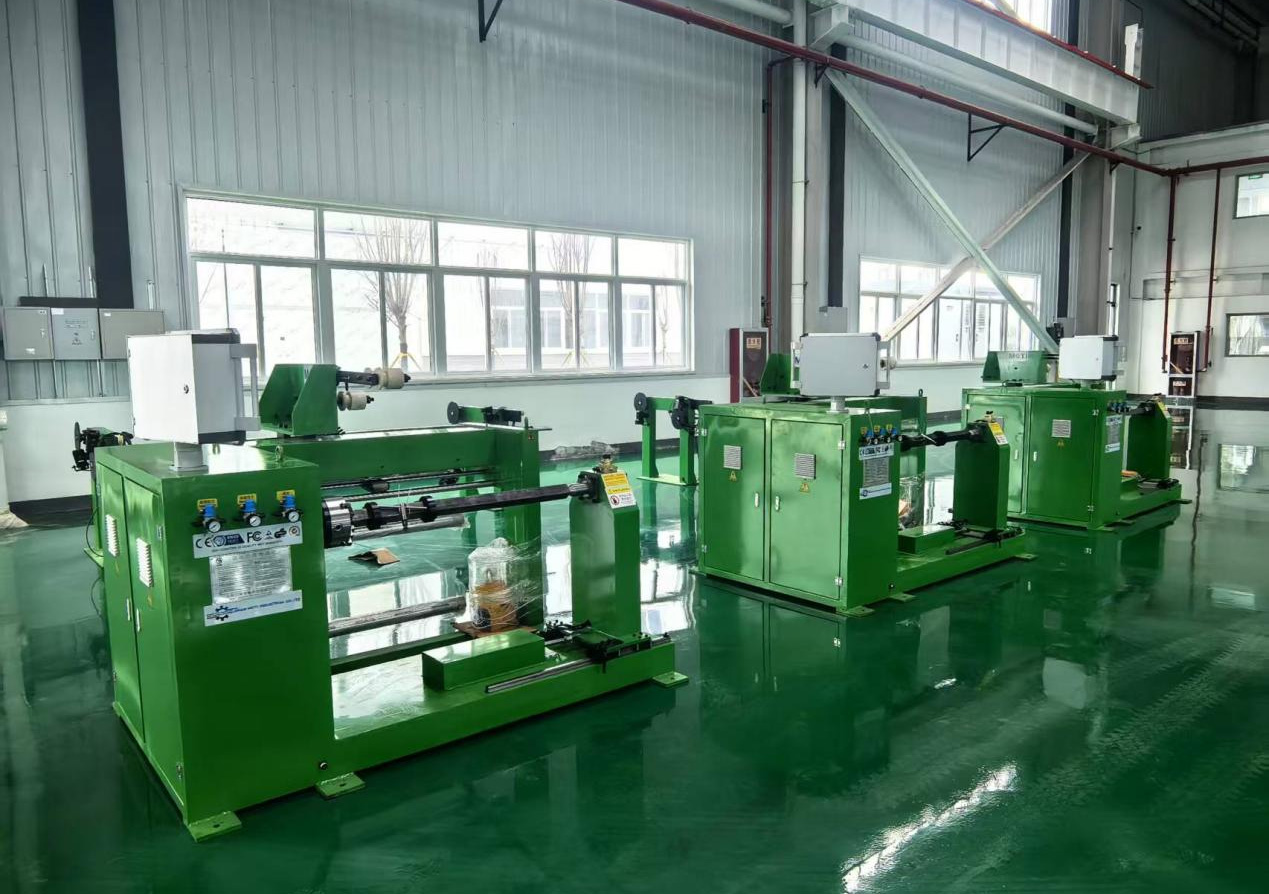
Delivering highly resilient, energy-saving distribution transformers, rectifier units, and capacitive instrumentation across five continents.
Today, XINSANHUAN’s products are exported to more than 30 countries and regions worldwide. Its international footprint spans Europe, Central Asia, Southeast Asia, Africa, and Latin America, with successful projects completed in countries such as Russia, Kazakhstan, Uzbekistan, Kyrgyzstan, Ethiopia, Zambia, Tanzania, Mexico, Honduras, and many others. The company’s products are widely recognized for their excellent operational performance, high efficiency, durability, and adaptability to diverse climatic and grid conditions.
Looking toward the future, Hanzhong Xinsanhuan Transformer Co., Ltd. will continue to uphold its philosophy of integrity, innovation, quality, and customer focus. By leveraging its strong technical expertise, advanced manufacturing capabilities, and global market experience, the company is committed to building long-term partnerships with customers worldwide and contributing to the development of safe, efficient, and sustainable power infrastructure. Together with its partners, XINSANHUAN strives to create greater value and shape a brighter future for the global energy industry.
Explore our complete spectrum of specialized transformers, grounding devices, and high-voltage power equipment engineered for extreme continuous duty.