Leave Your Message
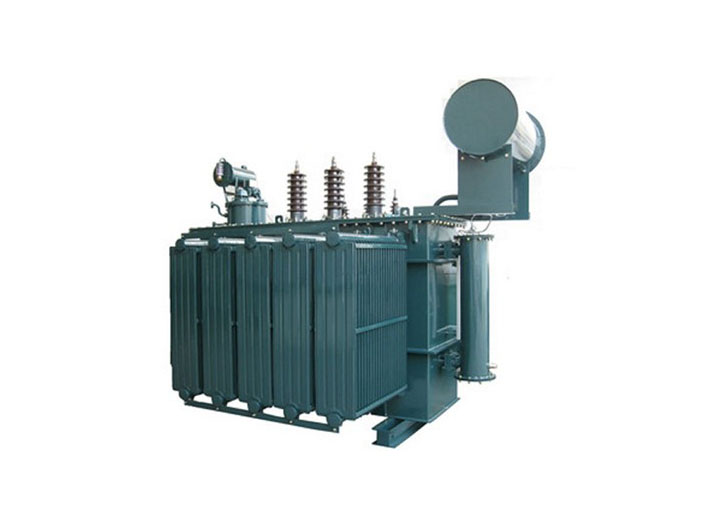
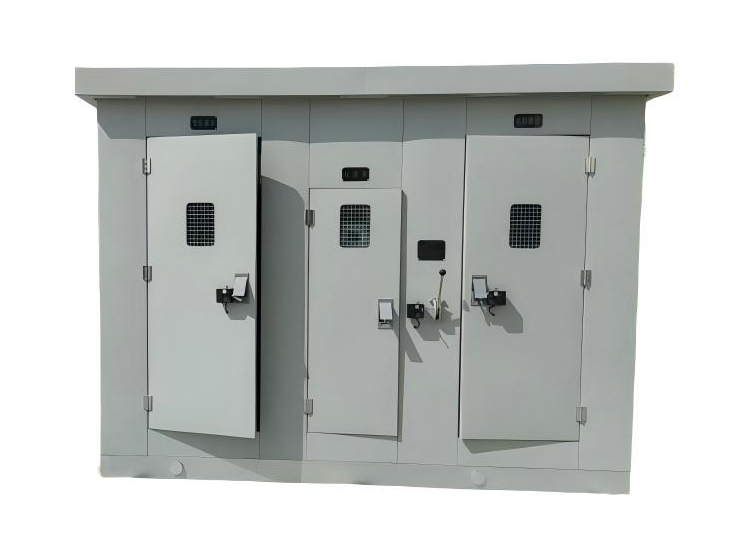
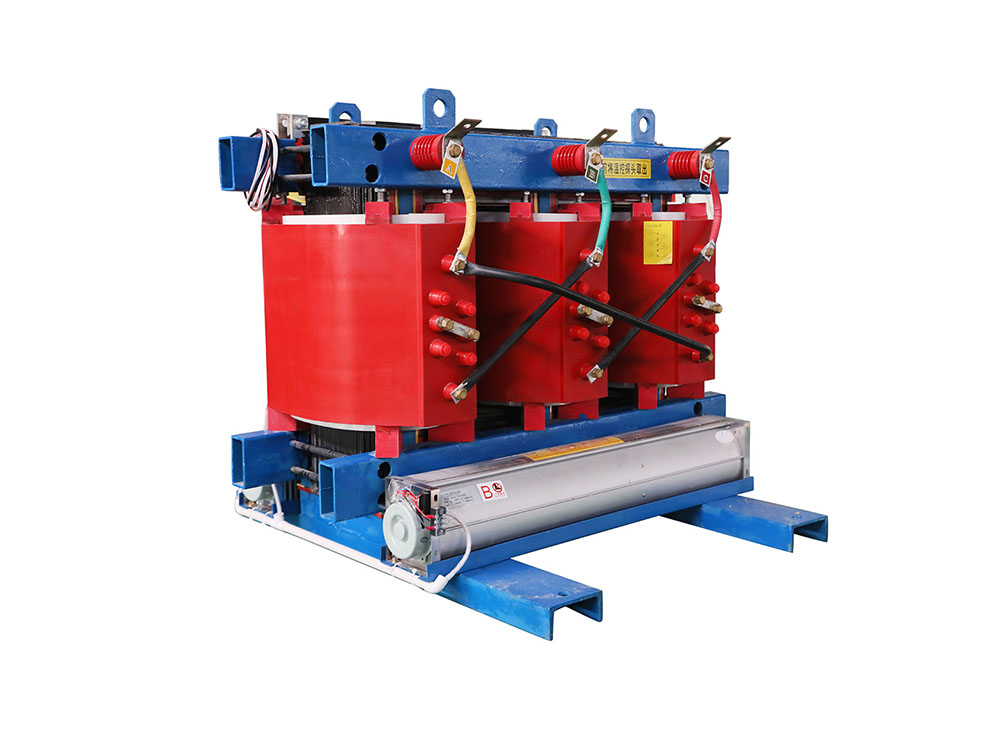
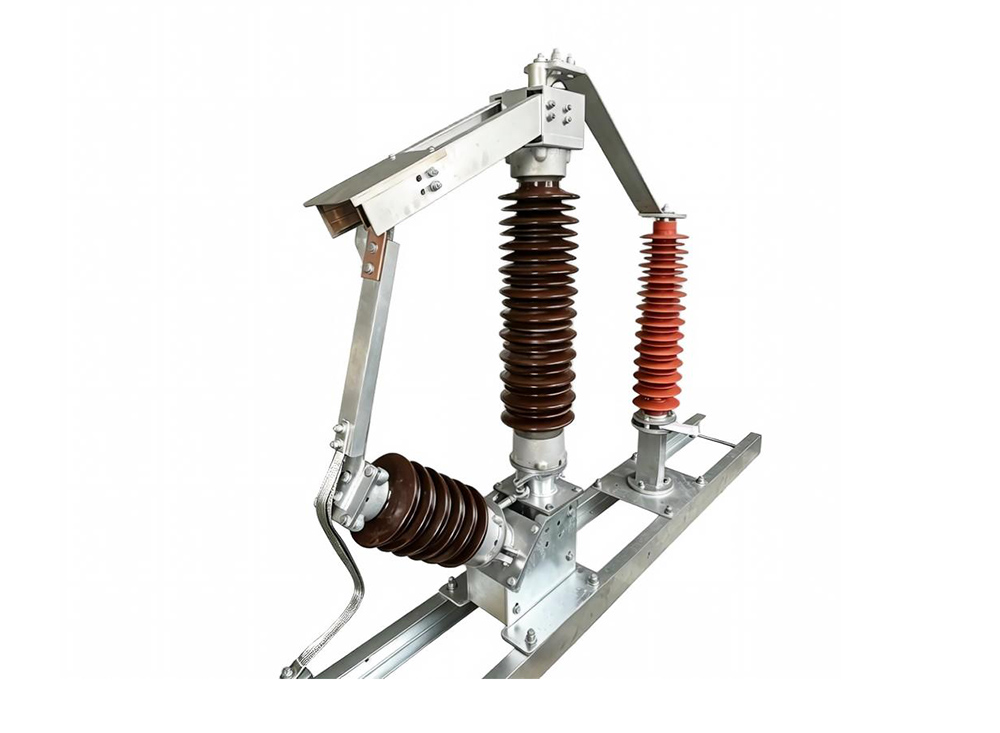
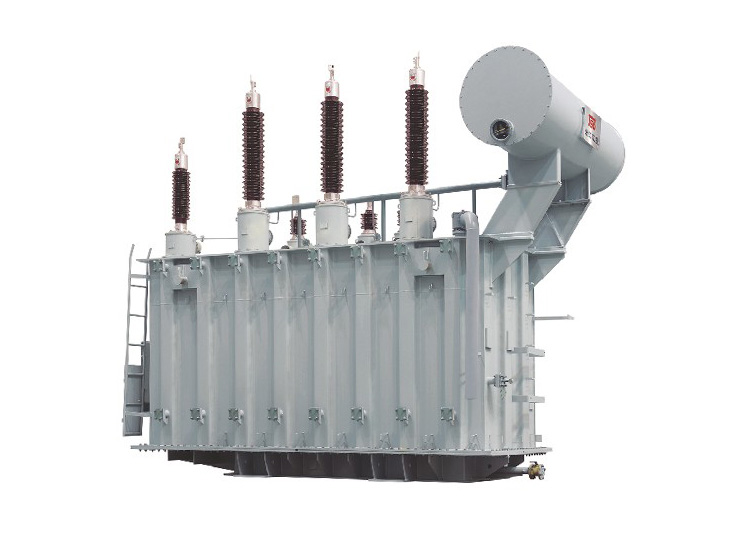
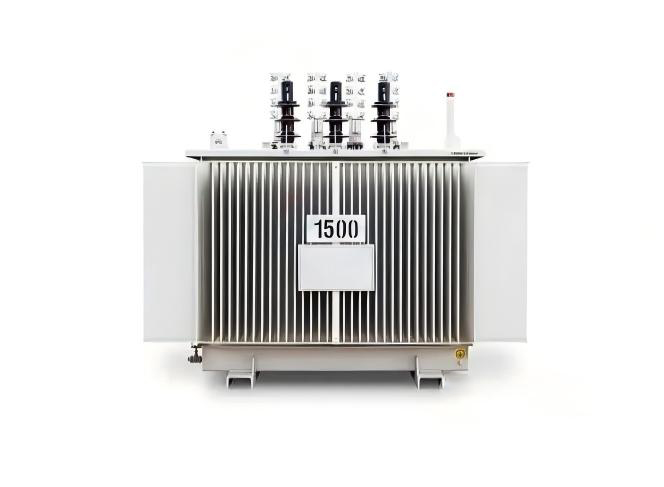
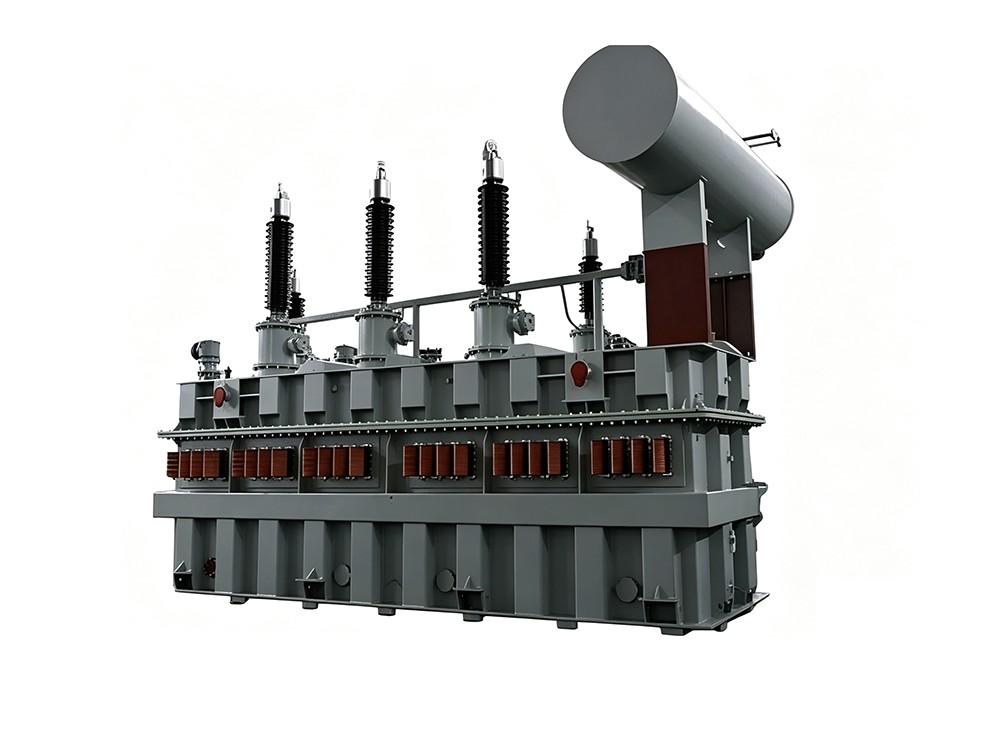
Explore our core engineered transformers designed to integrate seamlessly with heavy-duty factory substations, high-voltage incoming switchyards, and dynamic power distribution panels.
High-voltage transformation and precision signal conversion are the dual pillars ensuring continuous operation, safety, and tariff accuracy across modern mega-factories.
In heavy-duty manufacturing environments—such as continuous steel rolling mills, petrochemical processing centers, semiconductor foundries, and large-scale automotive manufacturing plants—electrical systems handle immense current densities and medium-to-high voltage potentials. Operating at voltage classes from 10kV to 220kV, factory substations cannot safely route massive raw voltages and kilo-ampere current directly into secondary instrumentation, protection relays, or building management systems (BMS).
This is where Current Transformers (CT) and Potential Transformers (PT, also termed Voltage Transformers or VT) play an indispensable role. A Current Transformer translates hundreds or thousands of amperes down to standard secondary ratings (typically 5A or 1A) with strict phase-angle and ratio accuracy. Concurrently, a Potential Transformer scales medium and high transmission voltages down to standardized secondary values (e.g., 100V, 110V, or 120V) for safe measurement, synchronizing check relays, and automated switchgear controls.
Without properly coordinated CT/PT architectures, heavy industrial facilities face severe risks of protection relay blindness, undetected core saturation during high fault transients, catastrophic insulation breakdown, and massive financial discrepancies in revenue metering.
Designed with generous saturation margins (5P10, 5P20, 10P20) to ensure accurate signal transmission to numerical relays during multi-kiloampere short-circuit transients, triggering instantaneous breaker trips.
High-accuracy class cores (0.2S and 0.5S) maintain pinpoint linear fidelity even at ultra-low burden levels (down to 1% of rated current), preventing billing mismatches on high-consumption industrial utility feeders.
Constructed with superior dielectric insulation systems (vacuum-cast epoxy or mineral oil) to decouple hazardous high-voltage primary busbars from plant control rooms and human operational interfaces.
Heavy manufacturing facilities present distinct electrical challenges rarely encountered in commercial or residential distribution. The selection of CT/PT apparatus must factor in thermal runaway protection, high ambient vibration, electromagnetic interference (EMI), harmonic resonance, and severe pollution classes.
| Industrial Application | Operational Stress Vectors | CT / PT Technical Specification Requirements | Mitigation & Protective Architecture |
|---|---|---|---|
| Electric Arc Furnaces (EAF) & Metallurgy | Rapid load cycling, severe harmonic distortion (3rd, 5th, 7th), voltage flicker, extreme primary current spikes. | Special magnetic core materials (high permeability grain-oriented silicon steel), low thermal rise class, 0.2S/5P20 multi-core CTs. | Over-dimensioned core saturation factor to prevent false differential relay tripping during electrode short-circuiting. |
| Petrochemical & Refining Complexes | Corrosive gases ($H_2S$, $SO_2$), volatile atmospheres, continuous 24/7/365 critical uptime. | Hermetically sealed oil-immersed or fully encapsulated cast resin (Class F/H), anti-tracking creepage distance (≥ 31mm/kV). | Explosion-proof terminal boxes, dual redundant metering and protection secondary windings, surge arresters on PT primaries. |
| Heavy Mining & Deep Underground Works | High starting inrush currents from large ball mills and crushers, massive mechanical vibration, dust ingress. | High dynamic and thermal withstand ratings ($I_{dyn} = 2.5 \times I_{th}$), robust anti-vibration mounting frames. | Neutral grounding resistors combined with zero-sequence (core-balance) CTs for immediate single-phase-to-ground trip detection. |
| Automated High-Speed Manufacturing | Extensive use of Variable Frequency Drives (VFDs), thyristor banks, switching transients, power quality swings. | Wide frequency bandwidth response, shielded electrostatic windings in PTs, low capacitive coupling. | Ferroresonance damping circuits (anti-ferroresonance PTs) to eliminate core burnout from open-delta bus switching. |
Specifying and configuring instrument transformers in factory distribution networks demands rigorous attention to electromagnetic parameters and secondary burden management:
As industrial manufacturing migrates toward Industry 4.0 paradigms, the role of instrument transformers is experiencing a profound technological evolution. Heavy factory power distribution is shifting from purely analog electromechanical architectures to fully digitized, IoT-enabled smart distribution centers.
Modern smart factory substations integrate Merging Units (MU) directly at the switchgear level, converting analog CT/PT outputs into high-speed Sampled Measured Values (SMV) transmitted over fiber-optic Ethernet, eliminating bulky copper cabling.
Low-Power Instrument Transformers (LPIT) and non-saturable Rogowski coils provide linear performance across massive current ranges (from a few amperes to 100kA+), offering ultra-compact footprints ideal for factory retrofit projects.
Integrated capacitive tap sensors and acoustic high-frequency CTs continuously stream dielectric condition data into AI-powered predictive maintenance software, anticipating insulation breakdown weeks before catastrophic failure.
Today, XINSANHUAN’s products are exported to more than 30 countries and regions worldwide. Its international footprint spans Europe, Central Asia, Southeast Asia, Africa, and Latin America, with successful projects completed in countries such as Russia, Kazakhstan, Uzbekistan, Kyrgyzstan, Ethiopia, Zambia, Tanzania, Mexico, Honduras, and many others. The company’s products are widely recognized for their excellent operational performance, high efficiency, durability, and adaptability to diverse climatic and grid conditions.
From extreme sub-zero Siberian processing plants to high-humidity tropical mining sites, our transformers and power distribution apparatus undergo rigorous dielectric, temperature rise, and impulse withstand testing in compliance with IEC 60076, IEC 61869, IEEE C57.13, and GB standards.
Quality excellence and customer satisfaction remain the core values that guide every aspect of XINSANHUAN’s business operations. Through strict quality assurance, reliable delivery schedules, and comprehensive after-sales support, the company has earned the trust and long-term cooperation of customers around the world. Its commitment to providing dependable products and professional services has established a strong reputation within the global power equipment industry.
Every transformer unit—from primary power transformers and neutral grounding systems to high-precision instrument sensing apparatus—undergoes multi-stage quality gates including partial discharge (PD) testing, impulse voltage withstand verification, and harmonic loss evaluations to ensure fault-free longevity under the most grueling industrial loading conditions.
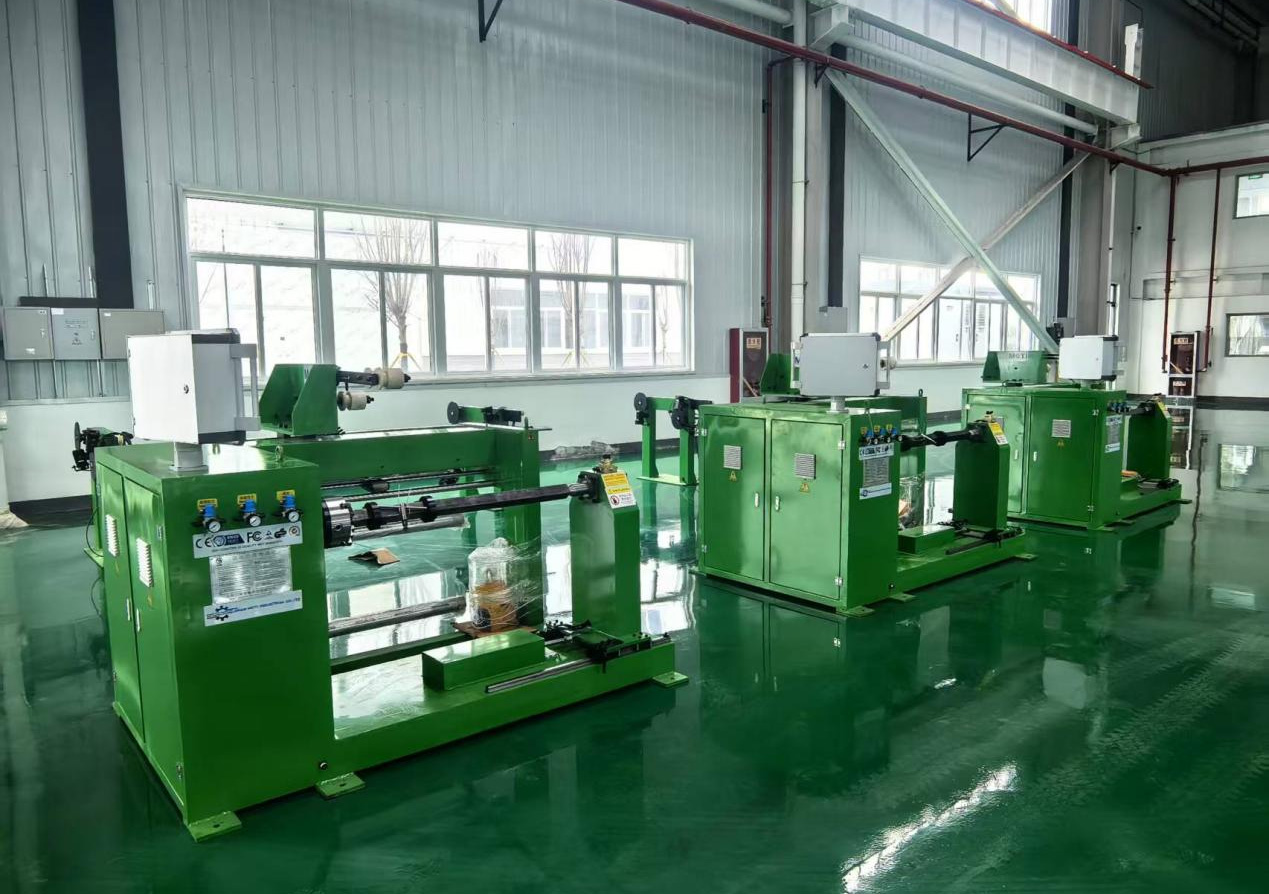
Looking toward the future, Hanzhong Xinsanhuan Transformer Co., Ltd. will continue to uphold its philosophy of integrity, innovation, quality, and customer focus. By leveraging its strong technical expertise, advanced manufacturing capabilities, and global market experience, the company is committed to building long-term partnerships with customers worldwide and contributing to the development of safe, efficient, and sustainable power infrastructure. Together with its partners, XINSANHUAN strives to create greater value and shape a brighter future for the global energy industry.
Browse our complete catalog of industrial transformers, grounding protectors, and voltage-stepping equipment designed for heavy-duty factory substations and primary distribution switchyards.