Leave Your Message
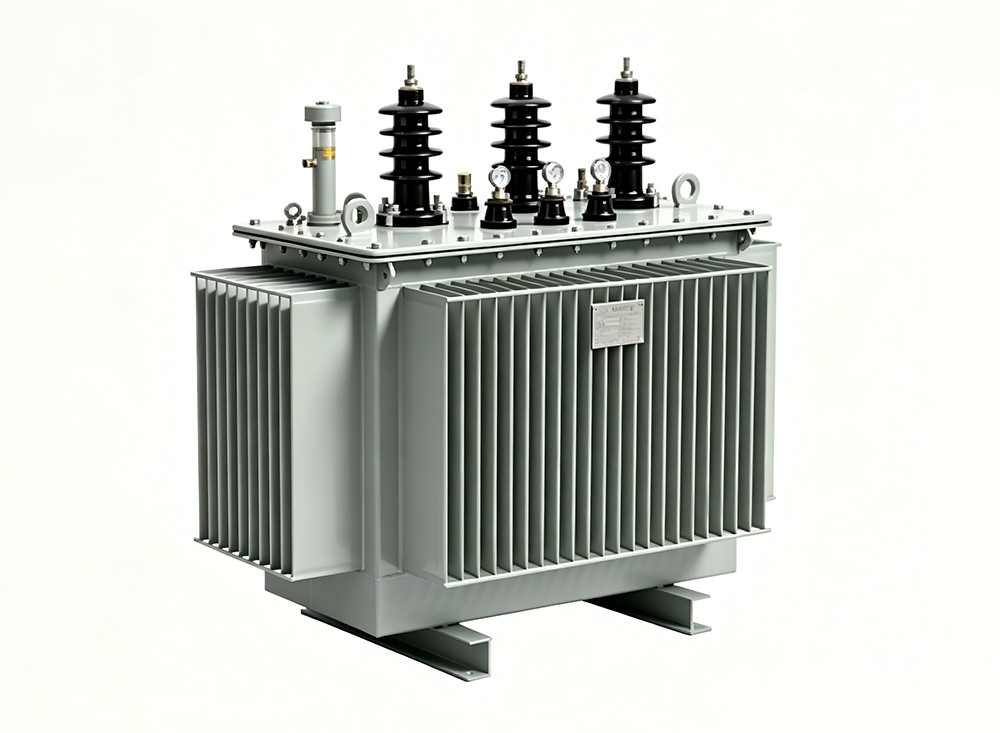
Engineered to deliver unmatched dielectric stability, space-optimized envelopes, and superior fault tolerance in mission-critical high-rise and commercial substations.
Analyzing the transition from decentralized medium-voltage networks to integrated high-voltage stepping schemes in megastructures.
The contemporary urban skyline is undergoing a monumental architectural and electrical revolution. Modern commercial complexes are no longer merely vertical arrays of office suites; they are dense, multifaceted metropolitan micro-cities encompassing hyper-scale data centers, automated logistics tunnels, continuous fast-charging EV transport hubs, luxury hospitality towers, and intelligent HVAC chilling plants. As aggregate electrical demands in individual supertall buildings approach 40 to 120 MVA, legacy medium-voltage (10kV/20kV) distribution lines face insurmountable challenges regarding thermal transmission line losses, excessive voltage drops across vertical cable risers, and prohibitive copper busbar mass.
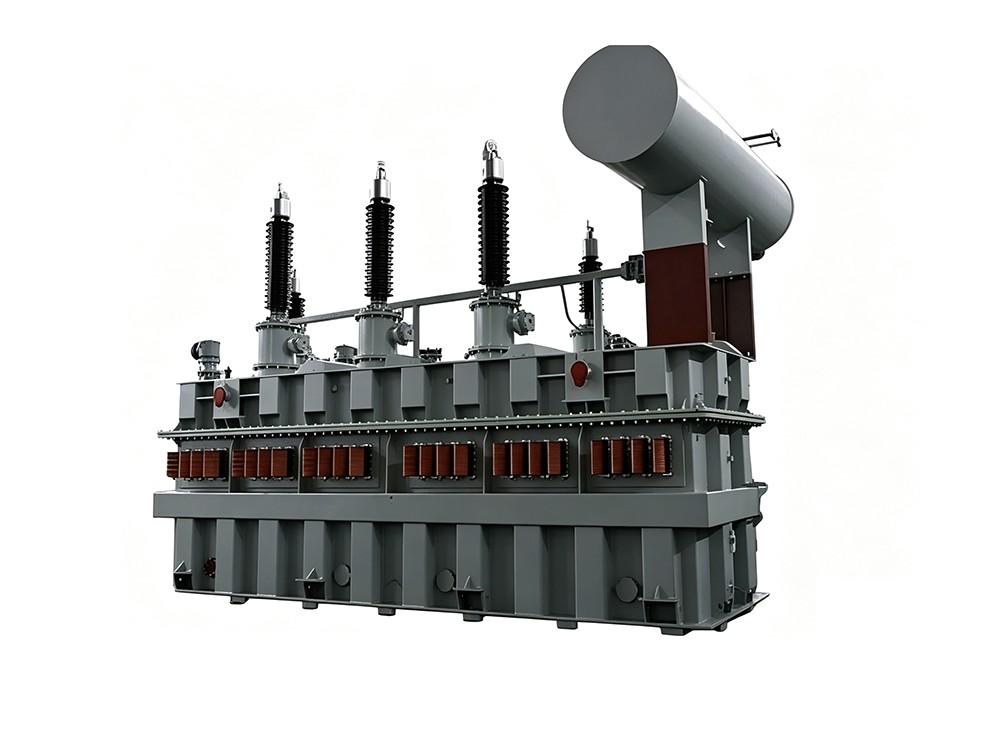
To overcome these physical bottlenecks, leading civil and electrical engineering consortia are rapidly deploying Extra-High Voltage (EHV) and High Voltage (HV) step-down substations (ranging from 35kV and 110kV up to 220kV) directly into the core vaults, subterranean basements, and mid-tier mechanical refuge floors of commercial skyscrapers. Operating distribution substations at elevated primary voltages yields a quadratic decrease in line current ($I = P / \sqrt{3}V$), which drastically reduces copper conductor cross-sectional requirements, limits structural floor load weights, and cuts parasitic $I^2R$ thermal dissipation within vertical shafts by more than 75%.
In Grade-A commercial developments, every square meter of floor plate carries astronomical leasing valuations. Conventional transformer configurations often require sprawling safety perimeters, voluminous blast walls, and cumbersome oil catchment systems. The current industrial trend mandates highly integrated EHV power apparatus designed with high-k dielectric fluids (such as synthetic or natural esters with fire points above 300°C) or precision-cast epoxy resin systems that eliminate blast containment footprints without jeopardizing basic insulation levels (BIL).
Furthermore, the widespread integration of building-integrated photovoltaics (BIPV), battery energy storage systems (BESS), and bidirectional regenerative elevators demands that high-rise transformers handle bidirectional power flows and acute harmonic distortions. The proliferations of variable frequency drives (VFDs) and non-linear lighting arrays introduce significant 3rd, 5th, and 7th harmonic orders, which induce eddy current heating within standard core laminations. Next-generation EHV transformers engineered for commercial complexes integrate specialized electrostatic shielding between windings, step-lap oriented silicon core sheets, and customized K-factor designs to guarantee maximum longevity and zero nuisance tripping.
Automated On-Load Tap Changers (OLTC) dynamically stabilize secondary bus voltages against wild intraday swings caused by simultaneous EV fast-charging and heavy HVAC chiller cycling.
Constructed with vibration-damped structural clamping plates and high-flashpoint dielectric mediums conforming to NFPA 70 / 855 standards, keeping operating noise levels beneath 48 dB(A).
Integrated micro-sensors measure online partial discharge (PD), moisture-in-oil saturation, dissolved gas analysis (DGA), and distributed fiber-optic hot-spot temperatures in real time.
Bridging the theoretical gap between utility substation interconnects and localized building management systems (BMS).
In skyscrapers exceeding 300 meters, transmitting 400V low voltage over hundreds of vertical meters is physically and economically unfeasible due to prohibitive copper weight and severe $IR$ voltage drop. The modern structural solution installs high-voltage stepping transformers (e.g., 35kV to 10kV or 35kV to 400V) on designated intermediate refuge or mechanical service floors (typically at Level 30, Level 60, etc.). This architecture requires units with exceptional physical resilience:
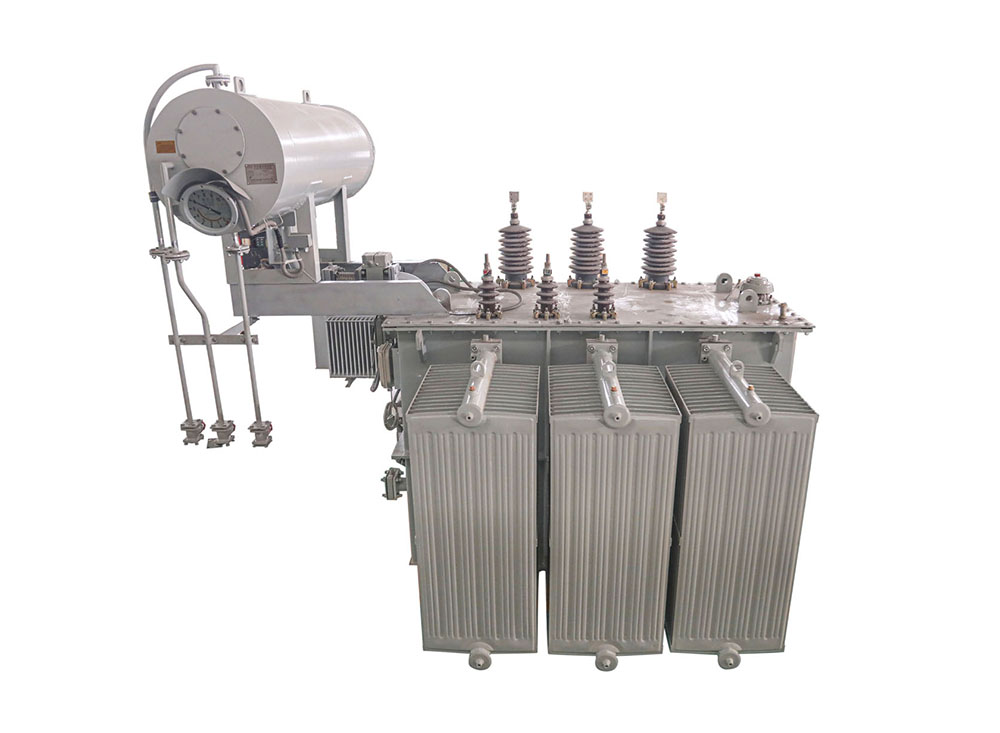
Subterranean parking complexes in modern retail malls increasingly feature DC Fast Charging (DCFC) hubs capable of delivering 150kW to 350kW per stall. When dozens of vehicles initiate high-current battery replenishment simultaneously, the localized substation experiences steep step-load transients. Transformers designated for this application, such as the S22-M Series and SZ Series OLTC, utilize heavy-duty copper foil windings and optimized magnetic circuits that resist thermal over-stressing caused by pulse-width modulation (PWM) rectifiers and erratic load swings.
Commercial complexes frequently house mission-critical trading floors, telecommunications routing nodes, and enterprise server clusters that operate under Tier IV reliability mandates. In these scenarios, momentary outages or harmonic frequency pollution are intolerable. Zigzag neutral earthing transformers (such as the ZN Type) mitigate zero-sequence harmonics, eliminate circulating currents, and establish an artificial ground reference on ungrounded delta systems, preventing phase-to-ground fault spikes from destroying sensitive computation servers.
Pioneering High-Quality Power Transmission and Distribution Infrastructure for Global Commercial & Industrial Markets.
Hanzhong Xinsanhuan Transformer Co., Ltd. is a professional transformer manufacturer located in Hanzhong City, Shaanxi Province, China—a renowned historical and cultural city known for its strategic geographical location at the heart of the country. Since its establishment, the company has been dedicated to the research, development, design, manufacturing, and service of high-quality power transmission and distribution equipment, providing reliable solutions to customers across domestic and international markets.
The company specializes in the production of power transformers up to 110kV, rectifier transformers, amorphous alloy transformers, oil-immersed distribution transformers, dry-type transformers, compact prefabricated substations, and other customized transformer solutions. With years of industry experience and continuous technological innovation, XINSANHUAN has developed a comprehensive product portfolio capable of meeting the diverse requirements of power utilities, industrial facilities, renewable energy projects, infrastructure developments, and commercial applications.
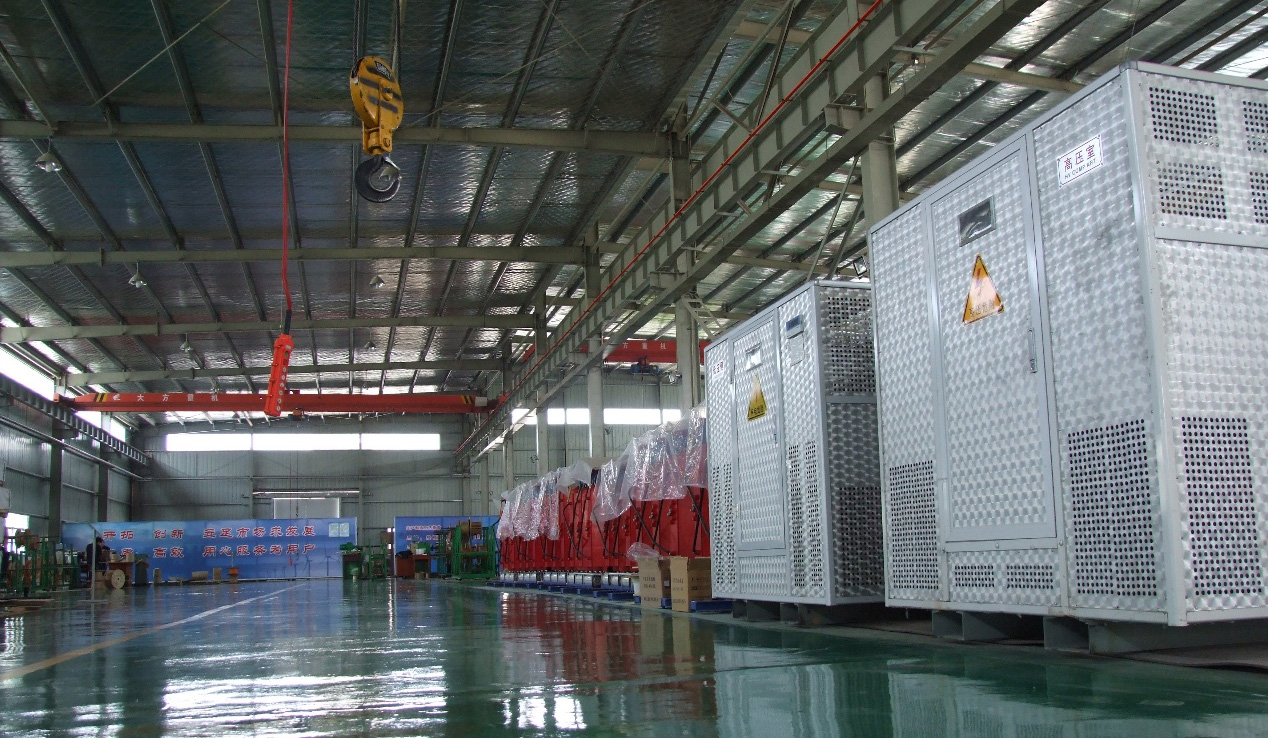
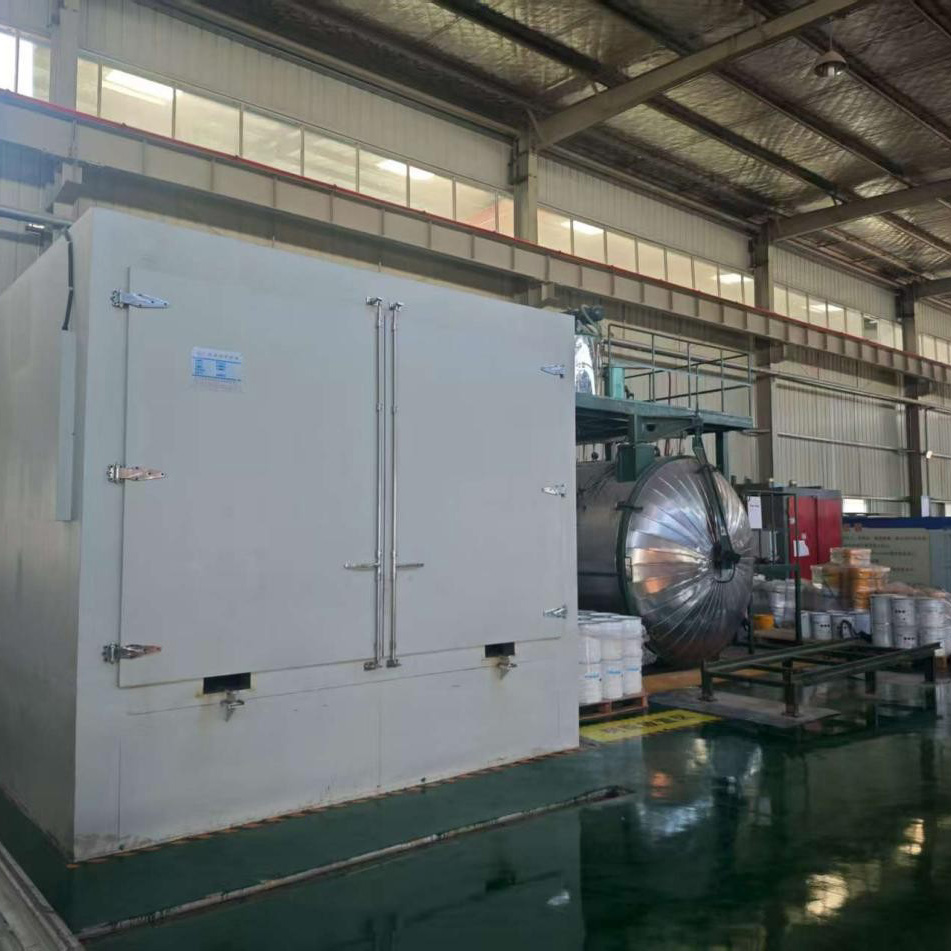
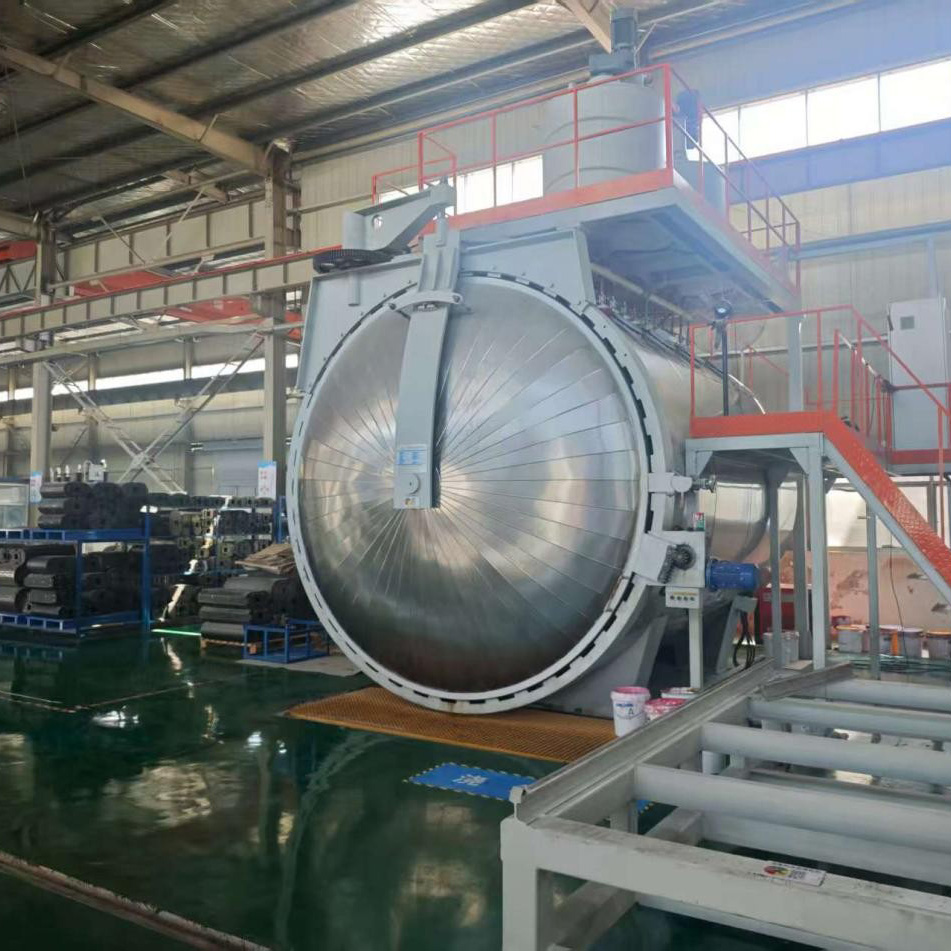
To ensure the highest standards of product quality and performance, the company has invested heavily in advanced manufacturing equipment, modern production lines, and comprehensive testing facilities. Supported by a highly qualified engineering and technical team, XINSANHUAN maintains strict quality control throughout every stage of production, from design and raw material procurement to manufacturing, testing, and final delivery. The company’s robust research and development capabilities enable it to continuously improve product efficiency, reliability, and environmental performance in response to evolving market demands.
Internationally audited manufacturing standards adhering to strict safety, quality, and environmental benchmarks.
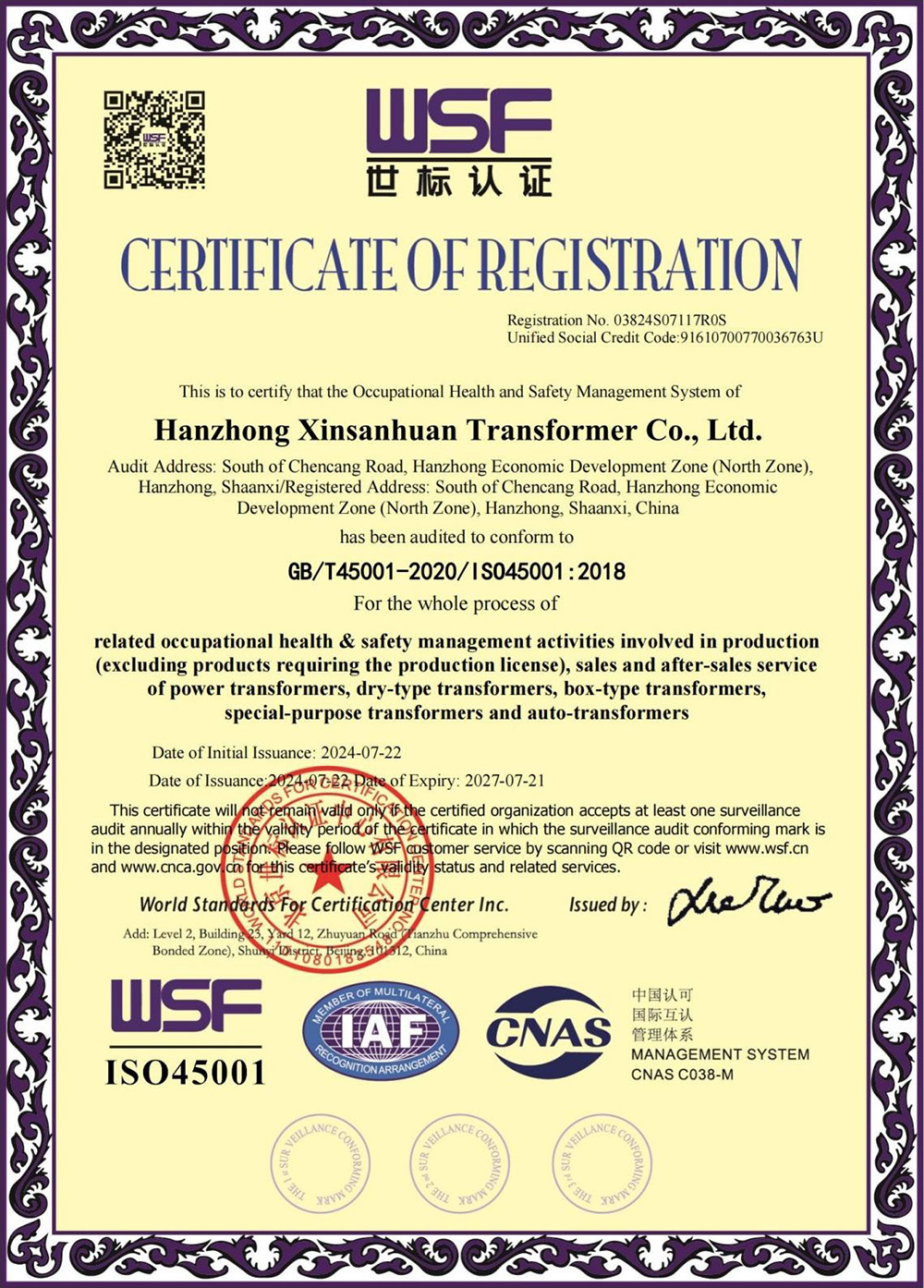
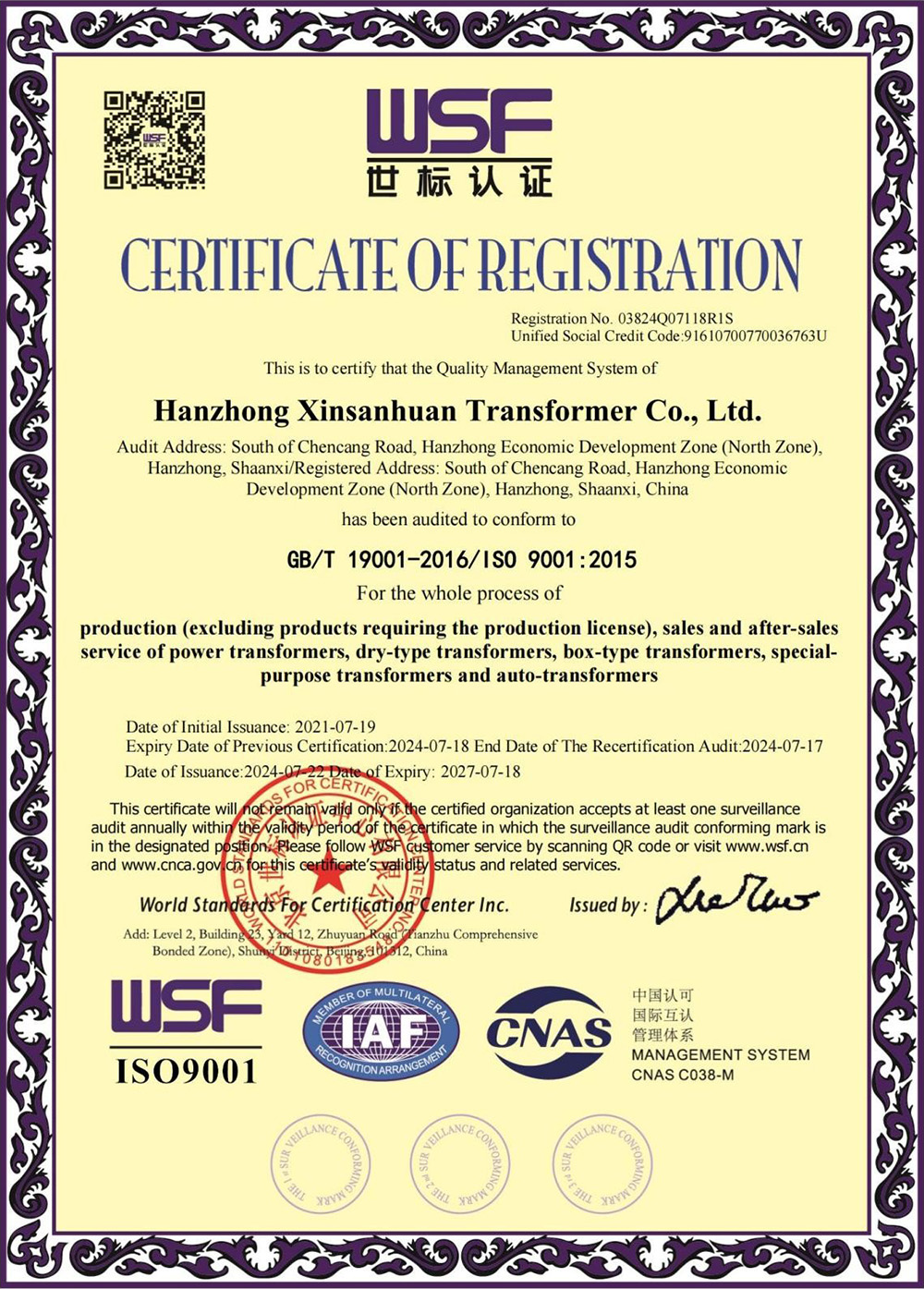
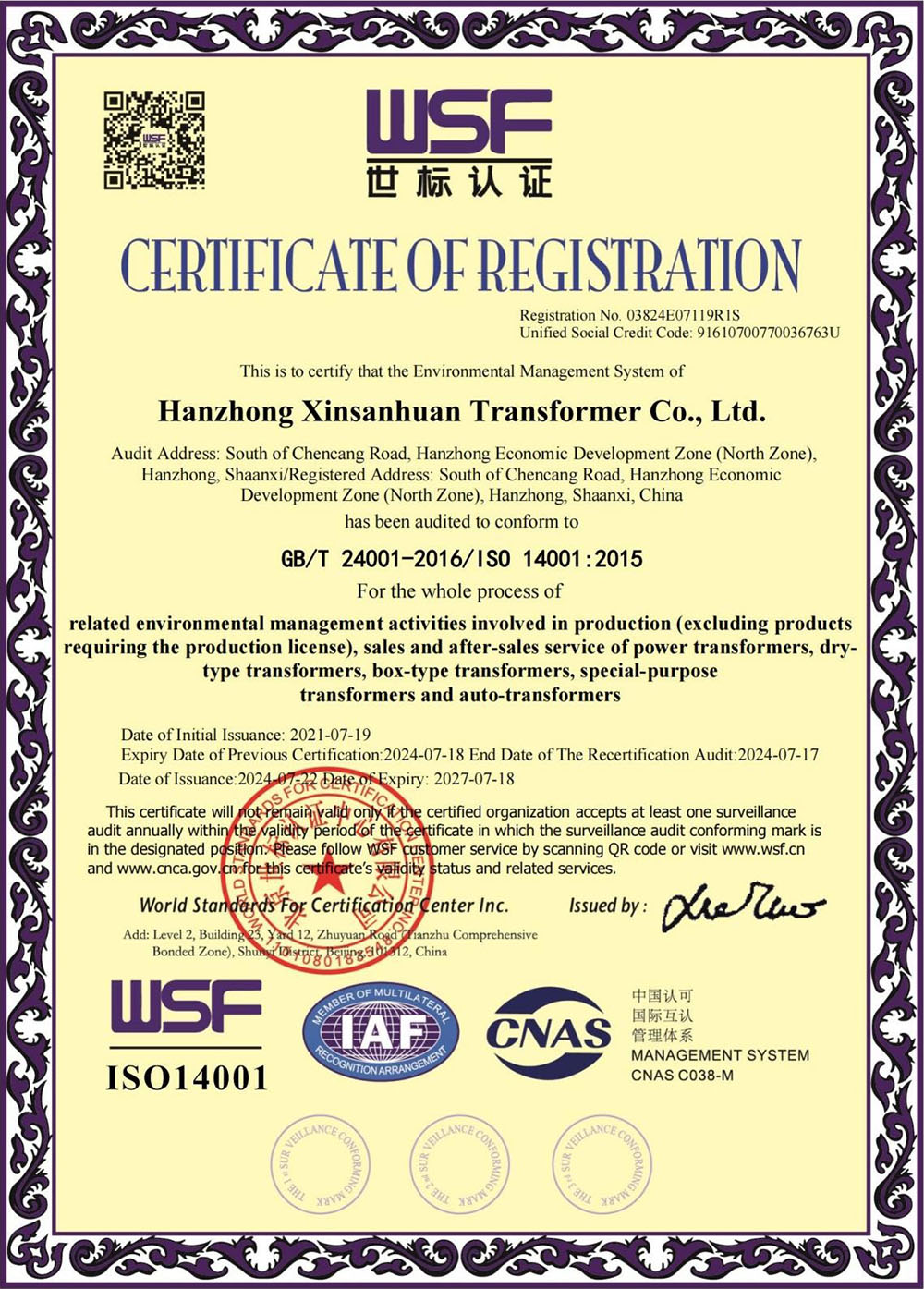
Since 2006, Hanzhong Xinsanhuan Transformer Co., Ltd. has established a comprehensive management system and obtained a series of internationally recognized certifications, including ISO 9001 Quality Management System Certification, ISO 14001 Environmental Management System Certification, and ISO 45001 Occupational Health and Safety Management System Certification. The company has also received Energy-Saving Product Certification and has been honored with the title of Green Factory, reflecting its commitment to sustainable manufacturing practices and environmental responsibility.
As a recognized High-Tech Enterprise, XINSANHUAN places strong emphasis on technological advancement and intellectual property development. The company has obtained numerous national patents covering product design, manufacturing processes, and technical innovations. In addition, its products have achieved CE certification, enabling compliance with European market requirements and facilitating exports to a broader international customer base. The company also holds independent import and export rights, ensuring efficient global trade operations and responsive customer service.
Navigating decarbonization mandates, smart microgrid interoperability, and automated facility telemetry.
As global real estate markets align with Net Zero carbon objectives, commercial building operators face rigorous efficiency legislation, such as the EU Ecodesign Directive (Tier 2 regulations) and US DOE 2016 conservation benchmarks. Next-generation EHV transformers act as the pivotal nodes in attaining high-performance building accreditations including LEED Platinum, BREEAM Outstanding, and WELL v2 certifications.
Modern commercial towers are transitioning from scheduled maintenance cycles to condition-based predictive intervention. Through edge computing gateways installed on the transformer terminal box, operational variables—including winding thermal gradients, ambient chamber humidity, acoustic resonant spectrums, and bushing dielectric dissipation factors ($\tan \delta$)—are continuously mirrored into an architectural Digital Twin. Facility operators can simulate future peak load scenarios (e.g., intense heat waves triggering 100% HVAC capacity) and predict remaining transformer insulation life with mathematical precision.
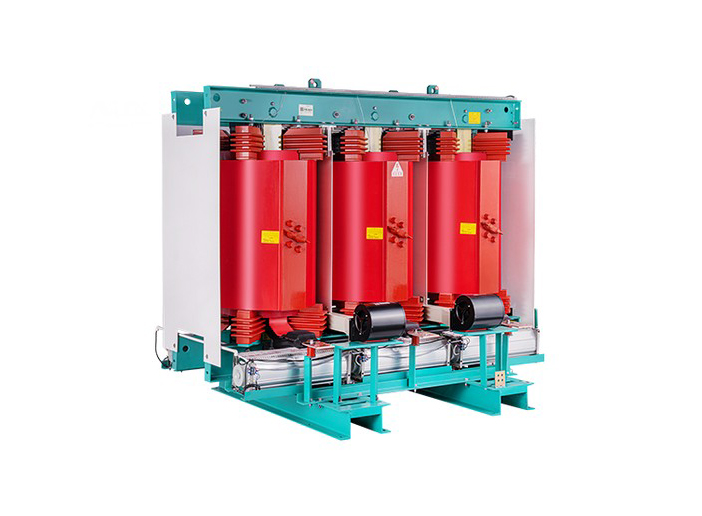
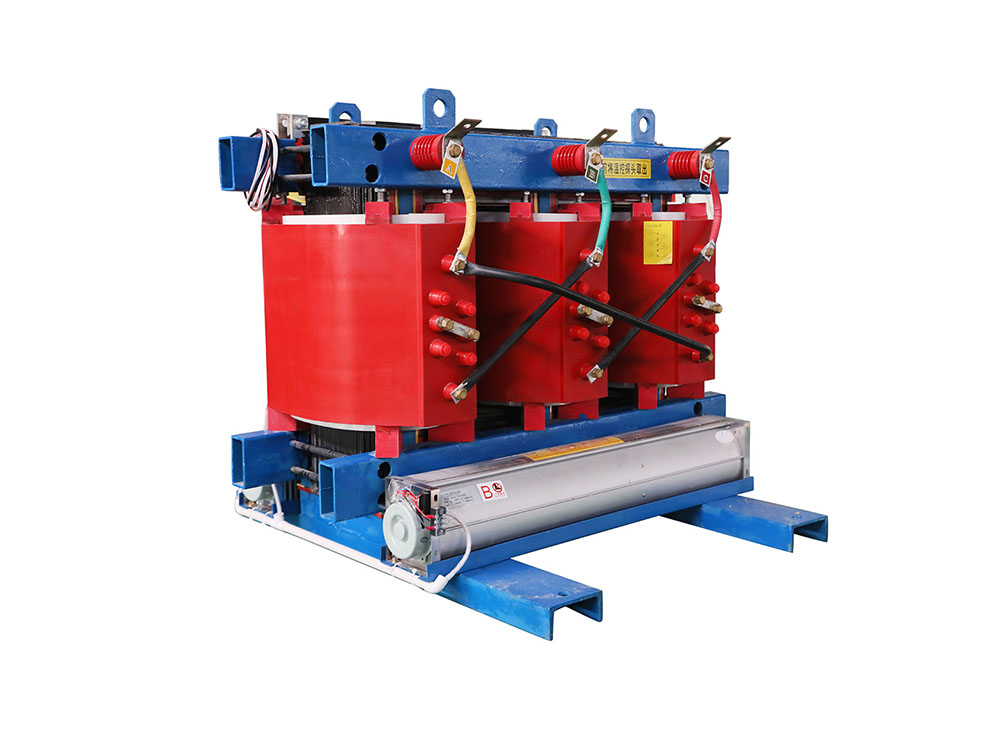
While cast resin dry-type transformers remain widely utilized in commercial premises, liquid-immersed units utilizing non-toxic synthetic or natural esters are gaining substantial traction. These fluid alternatives possess a fire point in excess of 310°C (K-class classification), substantially reducing fire safety exclusion distances, simplifying indoor subterranean containment basins, and offering 100% biodegradability in the event of an accidental spill.
Urban resilience protocols dictate that premier financial institutions and smart complexes maintain continuity during catastrophic municipal grid blackouts. Transformers engineered by XINSANHUAN feature reinforced mechanical construction capable of handling sudden inrush currents when swapping instantaneously between main high-voltage utility feeds, local battery energy storage banks (BESS), and emergency gas-turbine generators.
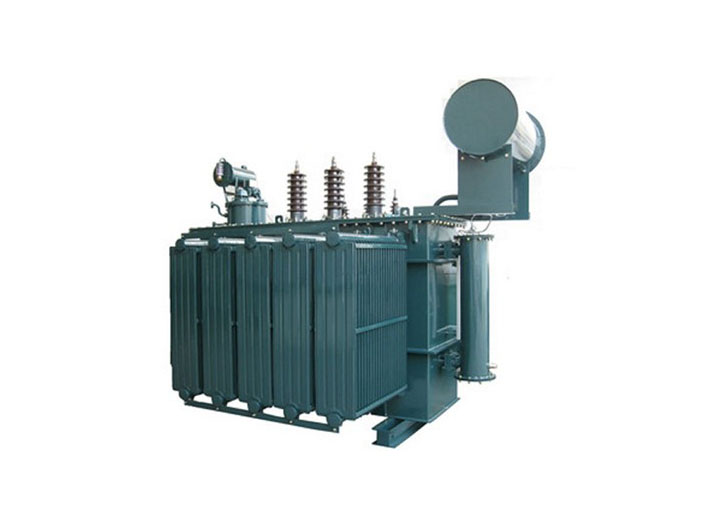
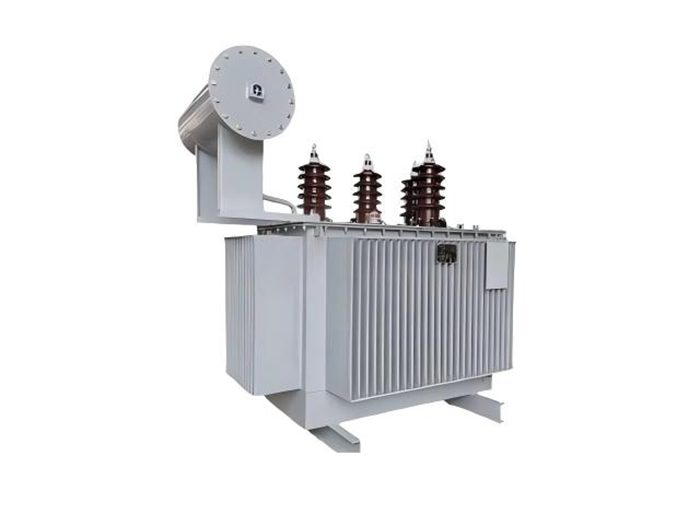
Comprehensive step-down, rectifier, and distribution equipment optimized for commercial complexes, high-rise utility corridors, and industrial power networks.