
Leave Your Message
Engineered for extreme sub-zero ambient conditions, prolonged overload capacities, and severe electrical transient endurance across regional transmission operators and resource-extraction facilities throughout the Russian Federation.
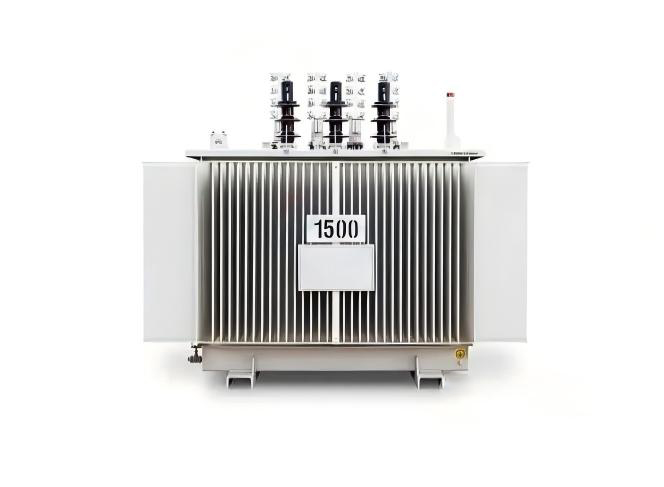
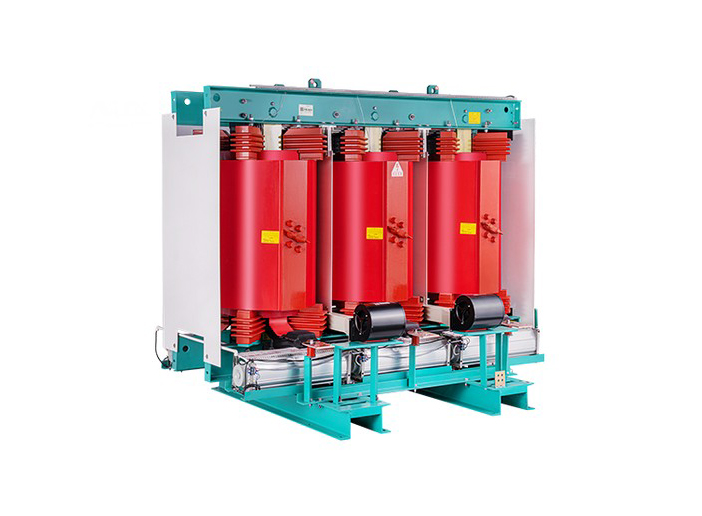
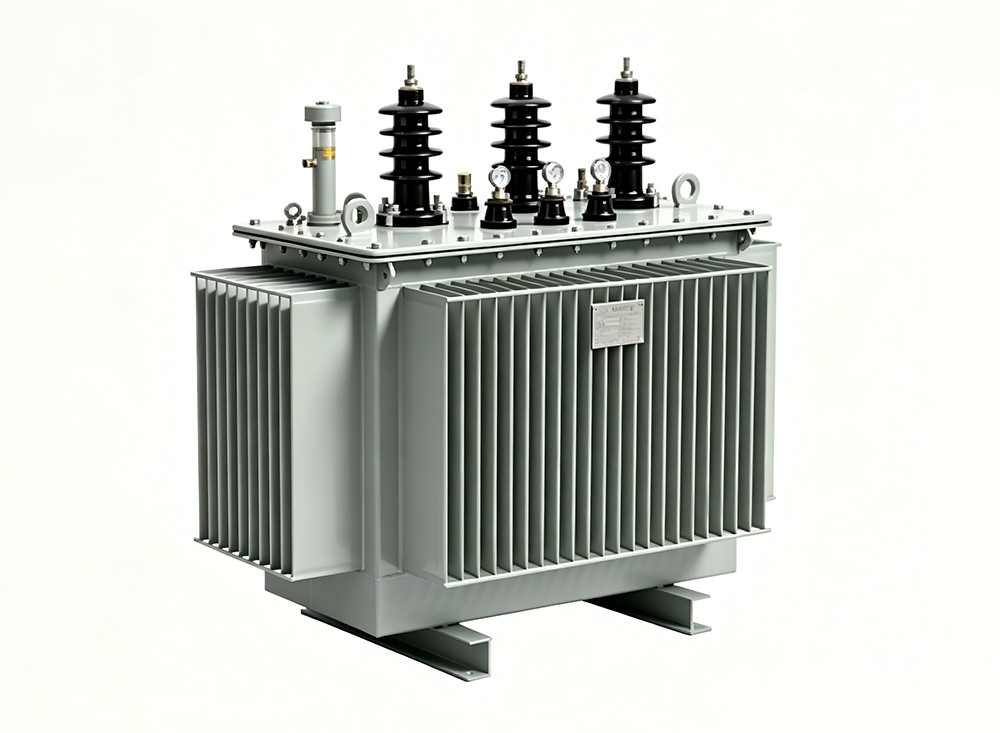
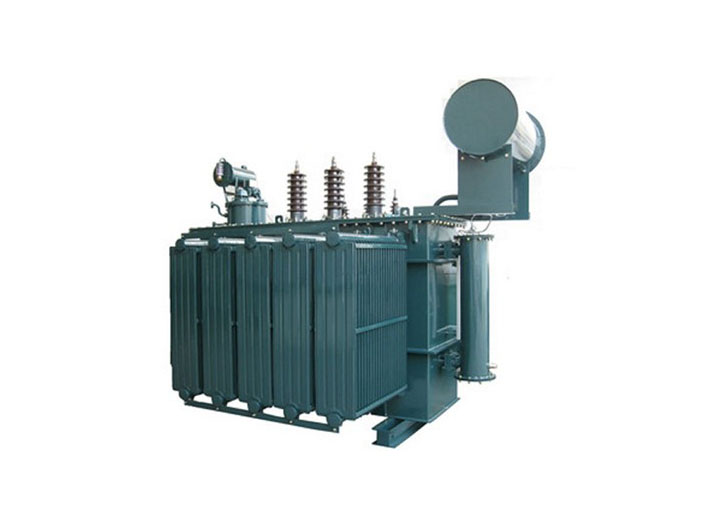
An extensive appraisal of Russia's transmission infrastructure, modernization imperatives under Rosseti guidelines, and rigorous GOST standardization.
The Unified Energy System of Russia (UES) constitutes one of the largest synchronized power grids on Earth, spanning eleven time zones and interconnecting massive hydroelectric complexes, nuclear generation hubs, thermal generation stations, and deep Arctic mineral exploitation clusters. Within this sprawling electrical topography, precision measurement and line protection are of paramount operational importance. The electromagnetic potential transformer (also known as an inductive voltage transformer or VT/PT) functions as the indispensable sensory organ of the high-voltage substation. It converts primary high voltages—typically 6kV, 10kV, 20kV, 35kV, 110kV, 220kV, and upward—into standardized, galvanic-isolated secondary values (such as 100V, 100/√3V, or 100/3V) for fiscal metering, microprocessing protection relays, automatic dispatch systems, and remote telemetry units.
In recent years, the Russian electrical engineering sector has undertaken a profound systemic transition. Industrial modernization programs driven by major utility conglomerates, such as PJSC Rosseti, combined with accelerated infrastructure buildouts across Western Siberia, the Ural industrial belt, and Eastern Siberia, have triggered surging demand for highly reliable instrument transformers. The replacement cycle for legacy Soviet-era apparatus has coincided with intensified domestic re-industrialization, making dependable international supply partnerships essential. Chinese transformer manufacturers, renowned for world-class manufacturing capacities, stringent quality certifications, and rapid technical customization, have emerged as indispensable partners in securing Russia's national energy resilience.
Exporting electromagnetic potential transformers to the Russian Federation necessitates strict engineering conformity with federal and regional technical frameworks. The overarching standard GOST 1983-2015 ("Voltage Transformers: General Specifications") outlines exacting tolerances for ratio errors, phase displacement angles, dielectric breakdown thresholds, and short-circuit withstand capabilities. Unlike standard IEC specifications configured for temperate latitudes, electrical apparatus deployed in Russia must routinely achieve compliance with GOST 15150-69 climatic classifications, specifically category UHL1 (temperate and cold climates, outdoor placement). Under UHL1 parameters, equipment must guarantee uncompromised operational readiness in temperatures dipping down to -60°C, accompanied by heavy rime icing, high snow loading, and severe wind shears.
At these sub-arctic thresholds, standard mineral dielectric oils suffer from severe viscosity escalation, paraffin crystallization, and impaired thermal convection. Furthermore, conventional rubber sealing gaskets experience rapid embrittlement, raising the risk of environmental oil leakage and internal moisture ingress. Leading electromagnetic potential transformer exporters solve these challenges by deploying specialized naphthenic or synthetic transformer fluids with pour points below -65°C, vacuum degassing and oil-impregnation cycles, and fluoro-silicone polymer seals engineered specifically for cryogenic resistance. By executing these technical enhancements, the voltage transformers provide unyielding stability across permafrost zones and harsh northern terrains.
Understanding why inductive electromagnetic potential transformers remain the preferred architecture for medium- and high-voltage applications across Russian heavy industry.
In high-voltage engineering, substations utilize either Capacitor Voltage Transformers (CVTs) or Electromagnetic Potential Transformers (also known as Inductive Voltage Transformers). While CVTs are commonly deployed on ultra-high-voltage transmission corridors due to cost economics, Electromagnetic Potential Transformers (PTs) are irreplaceable across distribution grids, industrial switchgear, generation busbars, and medium-to-high voltage transmission (10kV to 110kV and 220kV). This preference is rooted in several inherent electrical characteristics:
Exceptional Transient Response: Inductive electromagnetic potential transformers reproduce instantaneous voltage transients, voltage dips, and phase anomalies with exceptional fidelity. Unlike CVTs, which incorporate tuned capacitive dividers and intermediate voltage inductive units that produce transient damping delays, electromagnetic PTs deliver instantaneous primary wave replication essential for high-speed distance relays and differential bus protection.
Superior Frequency Immunity: Industrial loads common in Russian manufacturing—such as electric arc furnaces (EAF) in Magnitogorsk and Chelyabinsk, variable-frequency drives for oil pumps, and rolling mills—introduce severe harmonic distortions. Electromagnetic PTs maintain linear frequency characteristics across low and medium harmonic spectrums without the risk of capacitive divider drift caused by dielectric capacitance variations at low temperatures.
Robust Overvoltage Saturation Reserves: During line-to-ground faults on isolated neutral or arc-suppression coil grounded grids (widely used in Russian 6-35kV networks), the healthy phases experience a voltage rise of √3 times normal phase voltage. Electromagnetic transformers engineered for Russian clients feature core cross-sections and copper winding densities designed to operate continuously under 1.9x rated voltage for 8 hours without saturating or triggering dangerous ferroresonance.
| Performance Characteristic | Electromagnetic Potential Transformer (PT) | Capacitor Voltage Transformer (CVT) | Russian Operational Significance |
|---|---|---|---|
| Transient Response Speed | Instantaneous (< 2 ms response) | Delayed due to stored capacitive energy | Crucial for high-speed protective tripping in arctic trunk grids |
| Low-Temperature Stability (-60°C) | Unaffected magnetic core characteristics | Capacitance value drifts with temperature drops | Ensures commercial revenue metering accuracy in Siberia |
| Harmonic Distortion Sensitivity | Wide frequency fidelity; minimal phase shift | Prone to internal resonance at specific frequencies | Vital for heavy metallurgy, electrolysis, and rail catenary loads |
| Mechanical Wind / Seismic Rigidity | Single-piece porcelain or composite insulator casing | Stacked capacitor cylinders with higher moment of inertia | High resistance to Kamchatka earthquakes and arctic blizzards |
| Secondary Burden Capacity | High output burden (up to 500-1000 VA Class 1/3) | Moderate burden (typically 100-300 VA) | Capable of powering multiple legacy electromechanical relays |
Where electromagnetic potential transformers demonstrate critical reliability under demanding operating conditions.
Operating in regions such as the Sakha Republic (Yakutia), Khanty-Mansi, and Yamalo-Nenets Autonomous Okrug introduces substantial mechanical engineering prerequisites. Transformers placed upon pile foundations over discontinuous permafrost must withstand differential ground settling, frost-heave forces, and high seismic coefficients. The external silicone rubber composite or high-grade glazed porcelain insulators are engineered with extended creepage distances (exceeding 31 mm/kV or Class IV pollution resistance) to combat severe industrial pollution, saline coastal mists from northern seaways, and freezing sleet accumulation.
Furthermore, as an established exporter to Russia, our supply chain incorporates end-to-end logistics solutions: impact-monitored crating for long-distance rail freight via the Manzhouli-Zabaikalsk and Erenhot-Naushki corridors, complete GOST-compliant bilingual technical dossiers in the Russian language (including Pasport, Rukovodstvo po ekspluatatsii, and metrological calibration certificates), and full EAC (Eurasian Conformity) documentation under TR CU 004/2011 and TR CU 020/2011.
Today, XINSANHUAN’s products are exported to more than 30 countries and regions worldwide. Its international footprint spans Europe, Central Asia, Southeast Asia, Africa, and Latin America, with successful projects completed in countries such as Russia, Kazakhstan, Uzbekistan, Kyrgyzstan, Ethiopia, Zambia, Tanzania, Mexico, Honduras, and many others. The company’s products are widely recognized for their excellent operational performance, high efficiency, durability, and adaptability to diverse climatic and grid conditions.
Our long-standing presence in the Russian and Eurasian Economic Union (EAEU) power market has enabled our engineering teams to gain granular insights into regional operational paradigms. From coordinating with local Design Institutes (Proyektnye Instituty) during preliminary feeder design to delivering turnkey substation instrumentation packages, we deliver end-to-end engineering excellence.
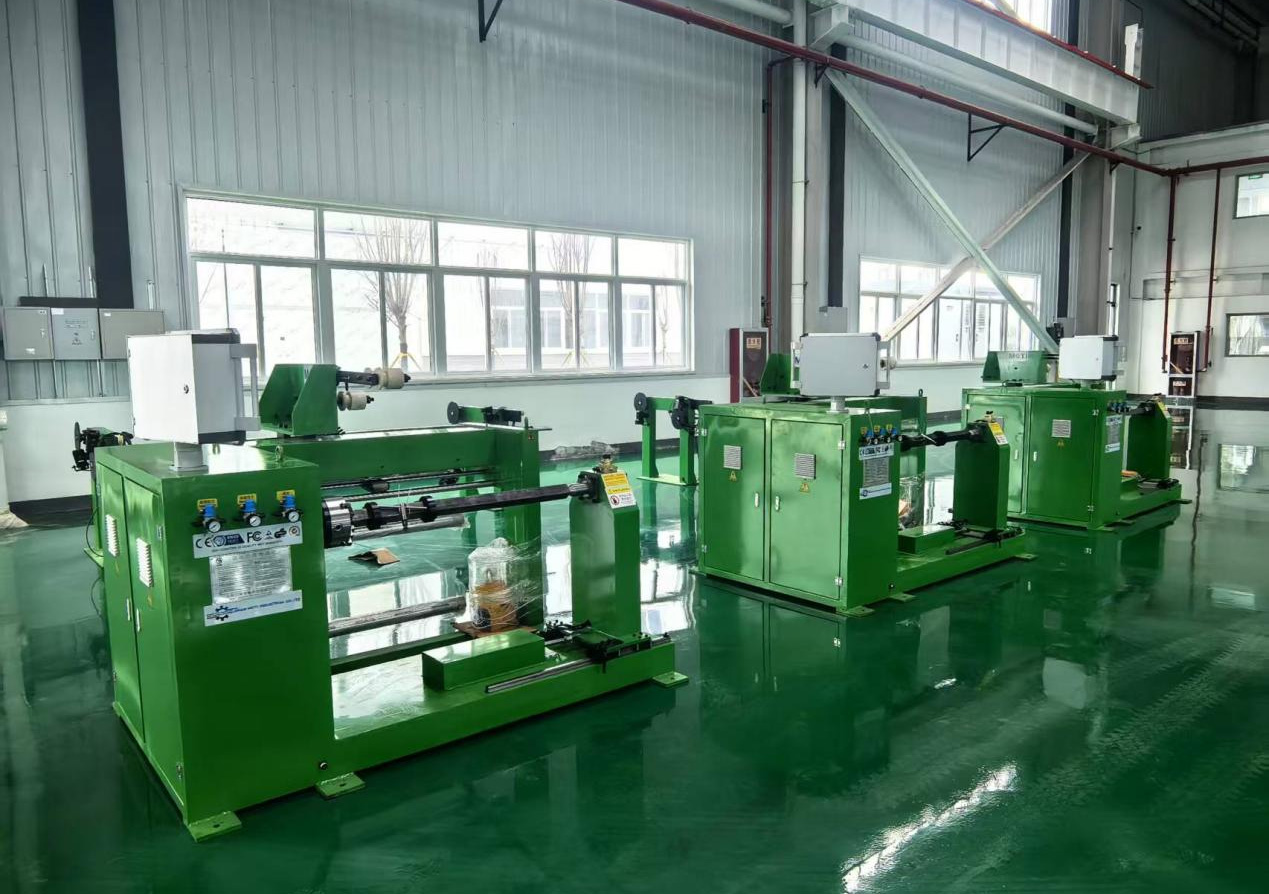
Quality excellence and customer satisfaction remain the core values that guide every aspect of XINSANHUAN’s business operations. Through strict quality assurance, reliable delivery schedules, and comprehensive after-sales support, the company has earned the trust and long-term cooperation of customers around the world. Its commitment to providing dependable products and professional services has established a strong reputation within the global power equipment industry.
Every electromagnetic potential transformer and power apparatus leaving our manufacturing plants undergoes exhaustive testing within fully shielded impulse laboratories and partial discharge screening chambers. Routine testing conforms strictly to GOST, IEC, and IEEE standards, encompassing applied voltage tests, induced overvoltage tests, measurement of partial discharge levels (guaranteed < 5 pC at maximum operating voltage), lightning impulse withstand verifications, and ratio/phase-angle verification across the complete secondary burden spectrum.
By establishing rigorous quality gates at every tier of production—from raw electrical steel slitting and winding precision to high-vacuum drying and automated robotic oil filling—we assure Russian industrial operators that every unit delivered will provide decades of trouble-free service in challenging climates.
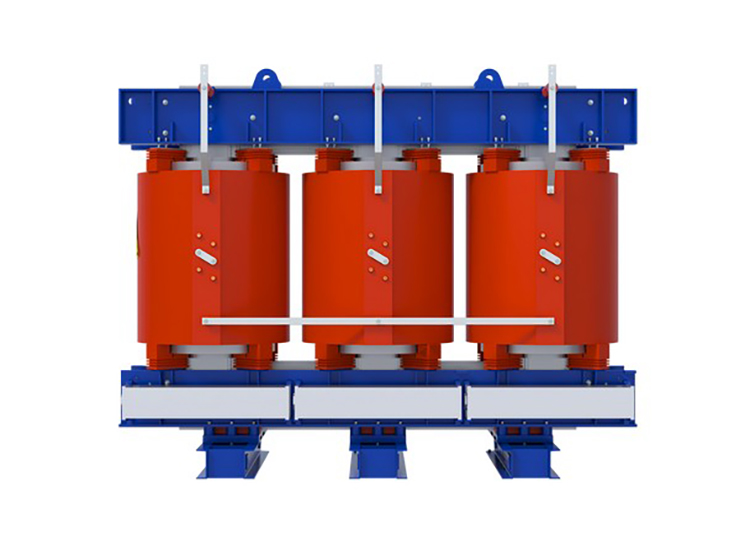
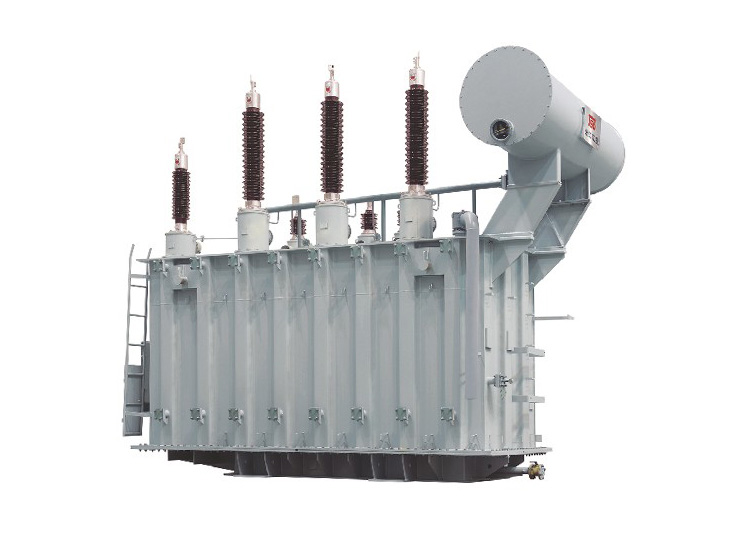
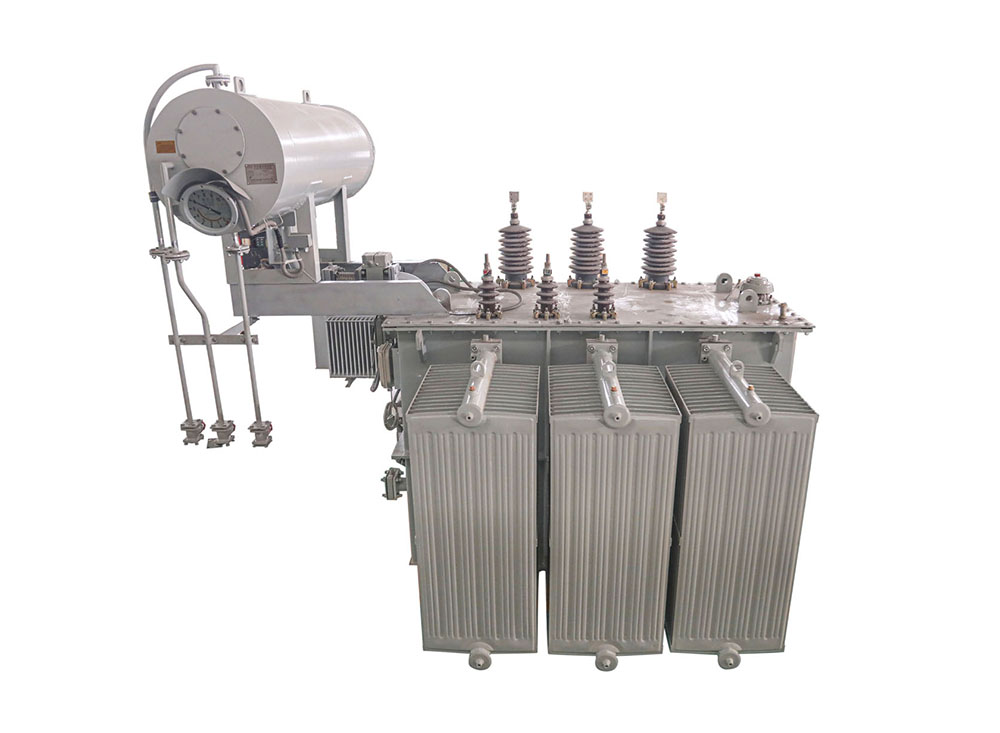
Review our comprehensive spectrum of distribution, industrial dry-type, high-voltage transmission, and earthing transformers engineered to meet stringent utility standards.
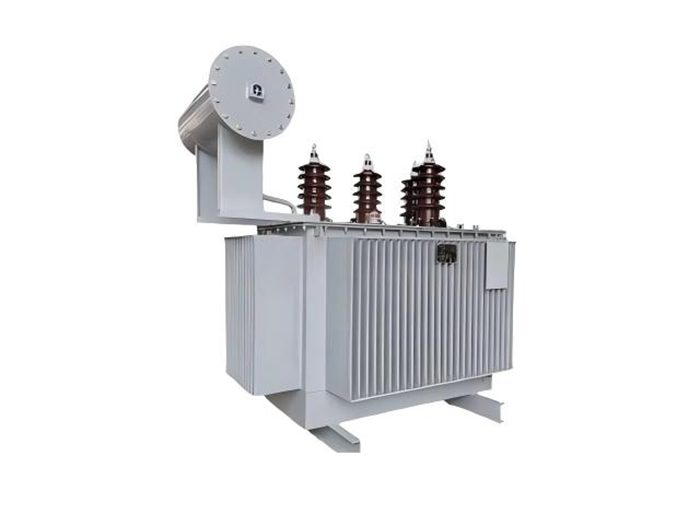
Looking toward the future, Hanzhong Xinsanhuan Transformer Co., Ltd. will continue to uphold its philosophy of integrity, innovation, quality, and customer focus. By leveraging its strong technical expertise, advanced manufacturing capabilities, and global market experience, the company is committed to building long-term partnerships with customers worldwide and contributing to the development of safe, efficient, and sustainable power infrastructure. Together with its partners, XINSANHUAN strives to create greater value and shape a brighter future for the global energy industry.