Leave Your Message
High-reliability power distribution and specialized phase-shifting units tailored for volatile hydrocarbon environments and high-stress continuous operations.
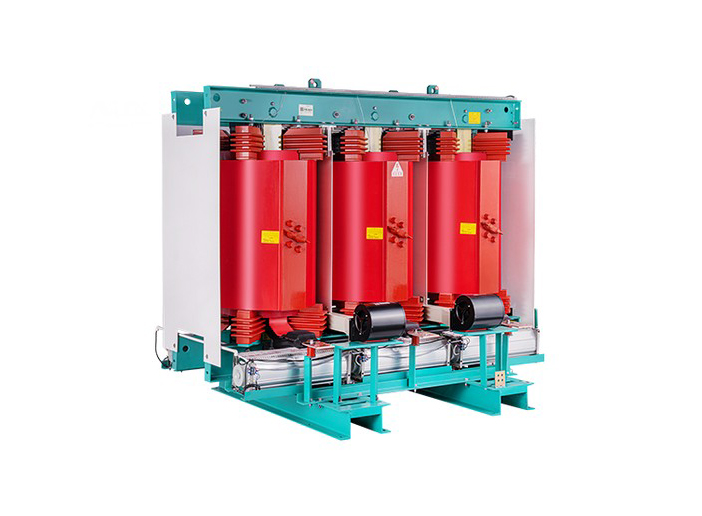
Engineered for extreme cryogenic LNG facilities and arctic chemical plants with superior flame-retardant epoxy cast insulation.
View Technical Specs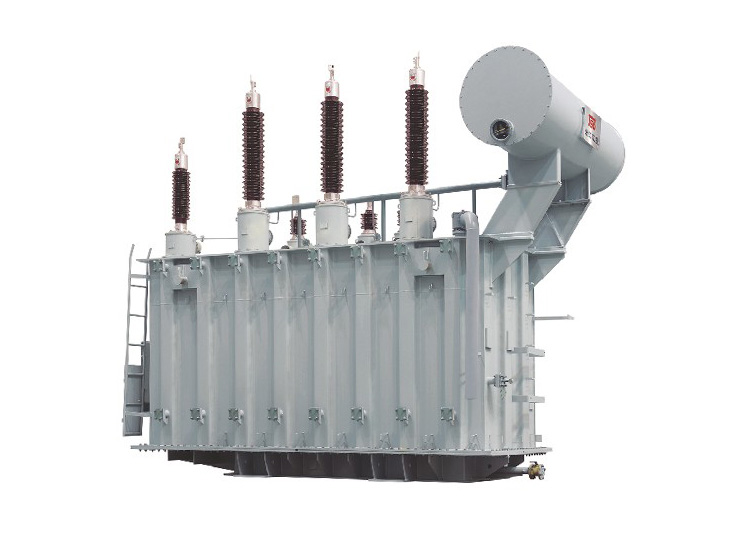
High-capacity main substation transformer offering dynamic voltage regulation and robust short-circuit ride-through capability.
View Technical Specs
Ultra-low no-load core losses for energy-efficient power transformation in hazardous chemical processing and synthesis facilities.
View Technical Specs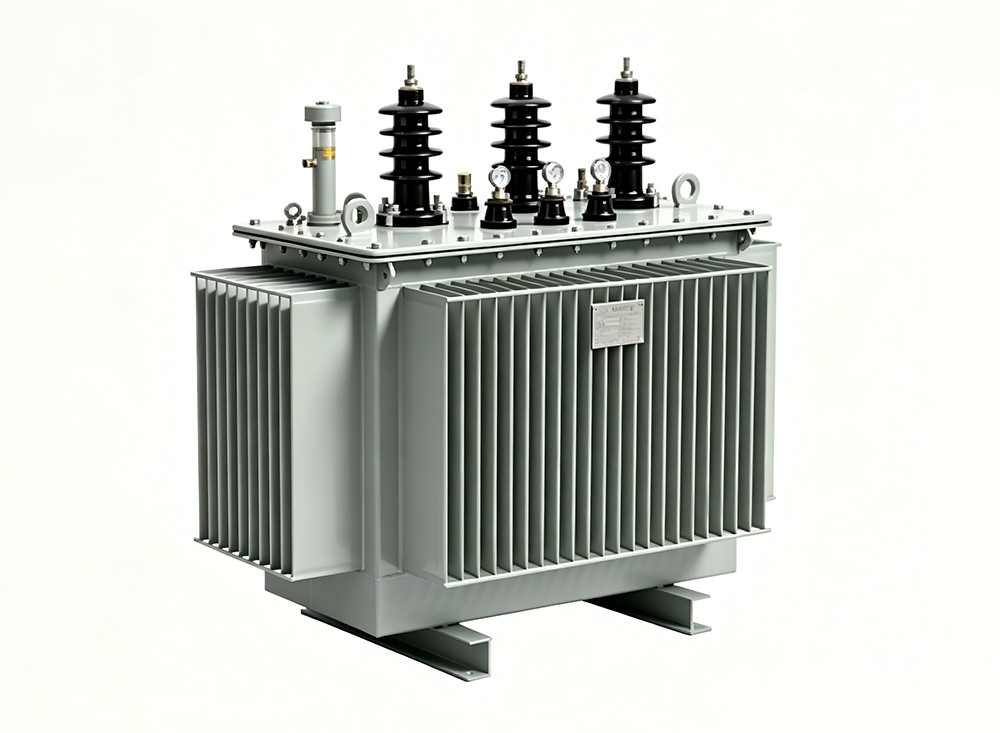
Hermetically sealed distribution transformer designed to isolate internal arc faults and resist corrosive chemical atmospheres.
View Technical SpecsPetrochemical complexes and continuous chemical synthesis facilities constitute some of the most electrically demanding, thermally hostile, and potentially explosive industrial infrastructures in the world. Modern petrochemical processing involves mega-scale power consumption driven by multi-megawatt variable frequency drives (VFDs), reciprocating gas compressors, heavy polymer extruders, large-scale chlor-alkali electrolyzers, and continuous hydrocracker pumps. In such high-density power architectures, managing power balance across parallel interconnected transmission feeders and inter-bus ties presents extreme engineering hurdles.
Without active phase angle regulation, parallel electrical paths experience uncontrollable loop flows caused by slight transmission impedance mismatches. This results in inadvertent thermal overloading on specific feeder cables, high transmission losses, premature insulation degradation, and uncontrolled trip events. An unscheduled power interruption in a continuous ethylene, ammonia, or refining plant does not merely cause financial downtime—it creates grave safety emergencies, catastrophic product solidification in pipelines, and dangerous atmospheric flaring. The Grid Phase-Shifting Transformer (PST), also known as a quad-booster, resolves these structural vulnerabilities by dynamically injecting a quadrature voltage component into the network, shifting the voltage phase angle (δ) across transmission lines, and enforcing precise active power flow dispatch regardless of natural line impedances.
Precise control over transmission line phase angles allows chemical plant substations to eliminate unscheduled circulating loop currents between grid interconnects and captive on-site co-generation units.
Compliance with ATEX / IECEx / Class I Division 1 & 2 standards via hermetic oil sealing, nitrogen pressurization, flameproof tap-changer housings, and fire-resistant synthetic ester fluids.
Dual-core symmetrical and asymmetrical phase-shifting configurations cancel out 5th, 7th, 11th, and 13th harmonic currents generated by massive non-linear chemical rectifier loads.
Operating high-voltage power transformers within chemical plants requires strict mitigation of explosive gas-air mixtures containing flammable vapors like ethylene, hydrogen, methane, benzene, and propane. According to international explosion-proof standards including IEC 60079 series, ATEX Directive 2014/34/EU, and NFPA 70 (NEC Article 500-505), electrical apparatus installed in Zone 1, Zone 2, or Class I Division 1/2 environments must prevent internal arcs, hot spots, or electrostatic discharges from igniting the ambient volatile atmosphere.
Unlike standard utility PSTs, chemical-grade phase-shifting transformers employ double-tank hermetic designs or pressurized dry-type enclosures equipped with continuous Ex-p inert nitrogen purge systems, Ex-d flameproof On-Load Tap Changer (OLTC) diverter compartments, high-creepage anti-pollution oil-to-cable bushings, and intelligent fiber-optic winding hot-spot sensors that monitor temperature rise well below combustible ignition thresholds.
The safety architecture incorporates several multi-tiered protection mechanisms:
In petrochemical microgrids, phase-shifting transformers are engineered based on specific system impedance models and power flow control objectives. The electrical topology typically utilizes a two-core arrangement (Exciter Unit and Series Unit) or a single-core autotransformer design:
Symmetrical Phase-Shifting Transformers (SPST): In a symmetrical configuration, the phase shift angle ±α is achieved by injecting a voltage that alters the phase angle without changing the absolute magnitude of the output voltage (|Vload| = |Vsource|). This topology is ideal for parallel feeders interconnecting chemical sub-stations where voltage variation would disrupt sensitive variable speed drive controllers or distributed generation systems.
Asymmetrical Phase-Shifting Transformers (APST): An asymmetrical configuration introduces an in-phase component alongside the quadrature boost voltage, causing simultaneous regulation of active power flow and system bus voltage. This design is widely deployed at the primary grid intertie of chemical complexes, allowing simultaneous reactive power stabilization and active loop flow prevention.
The operational integration of Phase-Shifting Transformers in the chemical sector is rapidly expanding beyond conventional bulk grid interconnection into specialized industrial process domains:
Electrolysis units consume hundreds of kiloamperes of direct current converted through high-power thyristor/diode rectifiers. Installing phase-shifting transformers before the rectifier step-down units creates 24-pulse or 48-pulse equivalent systems through 7.5° or 15° phase offsets. This completely cancels predominant low-order harmonics (5th, 7th, 11th, 13th), significantly reducing total harmonic distortion (THDI < 3%), preventing resonance explosions in power factor capacitor banks, and avoiding costly harmonic pollution penalties from regional grid operators.
Liquefied Natural Gas (LNG) processing trains utilize massive 50 MW to 100 MW electric motor drives. During direct-on-line starts or rapid motor speed transitions, the high reactive current draw induces severe voltage drops and phase angle instability across adjacent chemical units. A fast-responding phase-shifting transformer acts as a dynamic power buffer, redirecting spinning reserve power from adjacent sub-grids to maintain bus stability without tripping neighboring catalytic cracking units.
Many mega-refineries operate internal combined heat and power (CHP) gas turbines interconnected with the national utility grid. Variations in external utility grid frequency or phase angle create dangerous power swings across inter-tie transformers. PSTs provide an active valve mechanism, allowing refinery engineers to set strict active power import/export limits, maintain autonomous microgrid stability during utility blackouts, and prevent cascading plant-wide blackouts.
The global market for explosion-proof transformers and industrial phase-shifters in petrochemical sectors is undergoing a profound paradigm shift driven by decarbonization, digitalization, and hazardous area safety mandates:
Quality excellence and customer satisfaction remain the core values that guide every aspect of XINSANHUAN’s business operations. Through strict quality assurance, reliable delivery schedules, and comprehensive after-sales support, the company has earned the trust and long-term cooperation of customers around the world. Its commitment to providing dependable products and professional services has established a strong reputation within the global power equipment industry.
Every transformer undergoes exhaustive routine, type, and special testing—including full-wave lightning impulse tests, partial discharge verification under 5pC, short-circuit withstand validation, and explosion-containment boundary assessments—ensuring total operational peace of mind across hazardous chemical refinery sites.
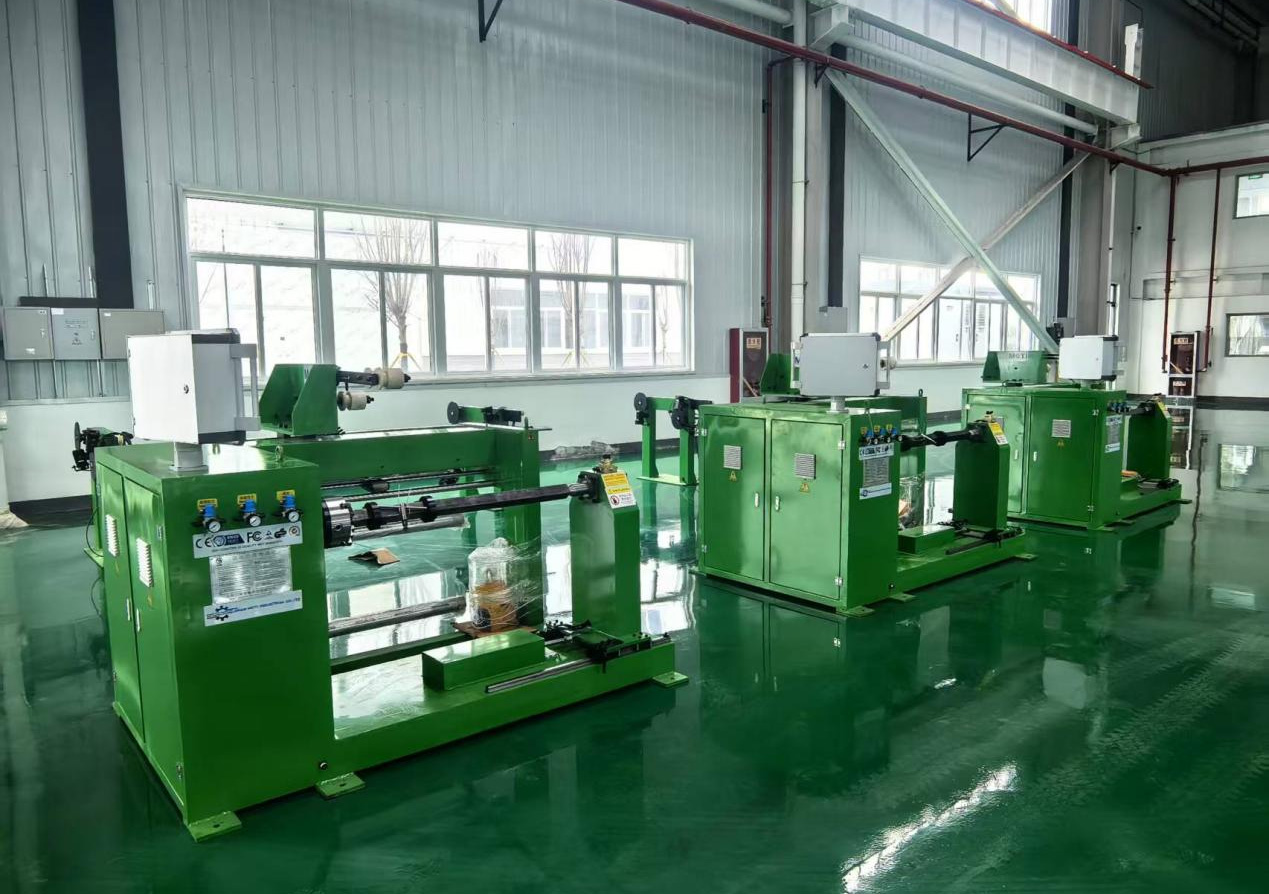
Today, XINSANHUAN’s products are exported to more than 30 countries and regions worldwide. Its international footprint spans Europe, Central Asia, Southeast Asia, Africa, and Latin America, with successful projects completed in countries such as Russia, Kazakhstan, Uzbekistan, Kyrgyzstan, Ethiopia, Zambia, Tanzania, Mexico, Honduras, and many others. The company’s products are widely recognized for their excellent operational performance, high efficiency, durability, and adaptability to diverse climatic and grid conditions.
Looking toward the future, Hanzhong Xinsanhuan Transformer Co., Ltd. will continue to uphold its philosophy of integrity, innovation, quality, and customer focus. By leveraging its strong technical expertise, advanced manufacturing capabilities, and global market experience, the company is committed to building long-term partnerships with customers worldwide and contributing to the development of safe, efficient, and sustainable power infrastructure. Together with its partners, XINSANHUAN strives to create greater value and shape a brighter future for the global energy industry.
Explore our full line of ultra-reliable transformers engineered for high-voltage power networks, hazardous processing zones, and critical industrial grids.
Rugged cast-resin construction engineered for cold-region LNG export terminals and arctic petrochemical refineries.
Product Details
Heavy-duty main substation transformer delivering exceptional mechanical withstand strength against high fault currents.
Product Details
High-efficiency amorphous magnetic ribbon core delivering up to 70% reduction in no-load standby electrical losses.
Product Details
Fully sealed corrugated oil tank design isolating insulating fluid from corrosive atmospheric chemical agents.
Product Details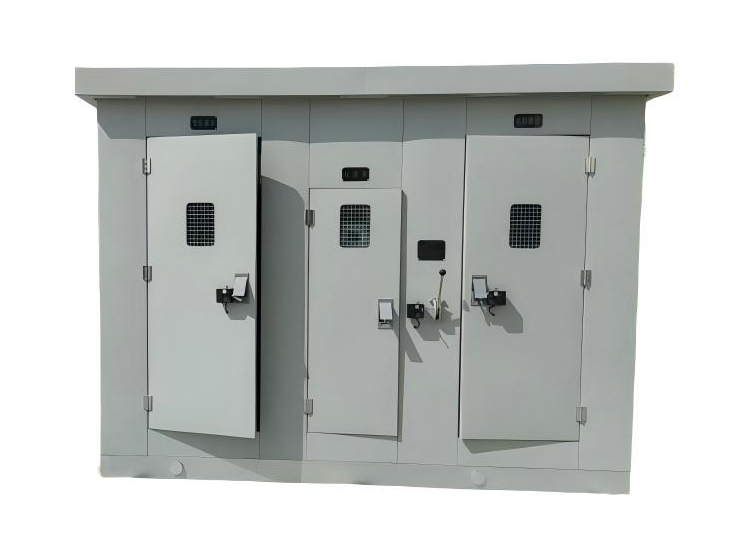
Protects substation power equipment and phase-shifting units from dangerous phase-to-ground fault overvoltages.
Product Details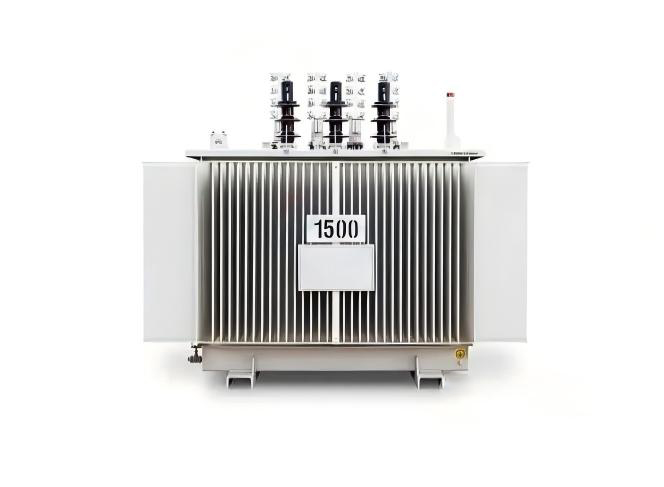
Standard industrial workhorse transformer engineered with low acoustic noise, minimal maintenance, and high overload capacity.
Product Details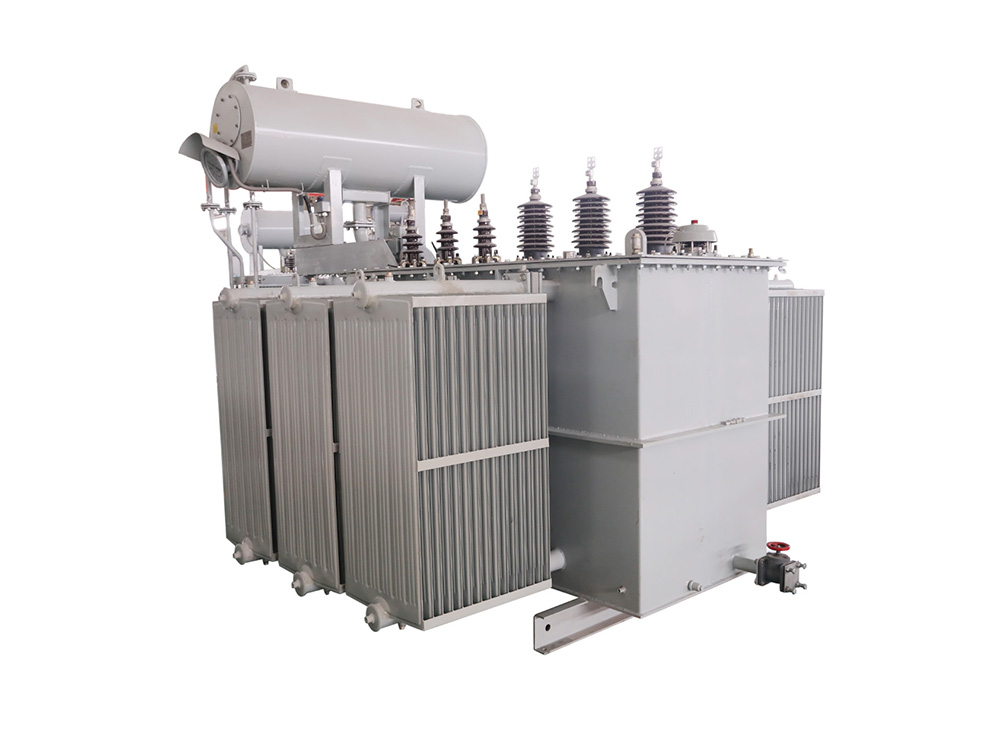
High-conductivity oxygen-free copper windings delivering superior thermal dissipation and high operational efficiency.
Product Details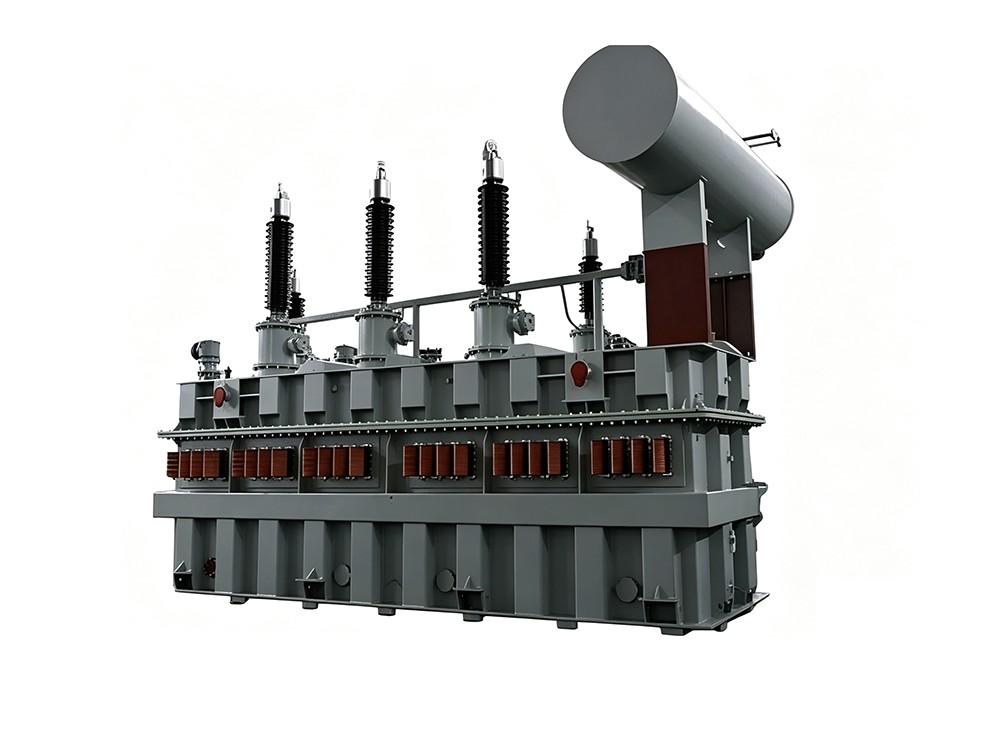
Dedicated heavy-current chemical rectifier transformer customized for chlor-alkali, zinc/aluminum electro-smelting, and DC furnaces.
Product Details