Leave Your Message
Essential step-up and instrument transformer equipment engineered to handle dynamic renewable generation profiles.
The global shift toward zero-emission power generation has fundamentally transformed electrical transmission and distribution networks. Utility-scale solar photovoltaic (PV) plants, offshore and onshore wind farms, and Battery Energy Storage Systems (BESS) do not behave like conventional synchronous thermal or hydroelectric power plants. The massive deployment of power electronics, four-quadrant bidirectional power flows, fluctuating solar irradiance, turbulent wind velocities, and stringent low/high-voltage ride-through (LVRT/HVRT) compliance standards create an unprecedented need for precision electrical telemetry.
An Integrated CT PT Transformer (often termed a Combined Instrument Transformer or Combined Metering Unit / MOF) unifies high-accuracy Current Transformers (CT) and Potential/Voltage Transformers (PT/VT) into a singular, hermetically sealed or cast-resin encapsulated assembly. Rather than deploying separate single-phase current transformers and potential transformers across 10kV, 20kV, 33kV, 35kV, or 66kV collector busbars, the integrated unit executes both high-precision tariff metering and fast-acting protective relay sensing in a single, compact footprint. This integration eliminates phase-angle displacement errors caused by distributed cabling, mitigates field wiring complexity, and delivers a robust front-end sensing node for modern digital substations operating under IEC 61850 protocol standards.
Engineered with premium laser-cut amorphous or oriented silicon steel cores to maintain Class 0.2S and 0.5S metering accuracy from 1% to 120% of rated nominal current under extreme solar intermittency.
Equipped with specialized open-delta damping windings and anti-resonance core geometries that completely suppress destructive ferroresonance oscillations common in ungrounded cable collector networks.
Reduces switchgear enclosure volume and booster substation footprint by up to 45%, perfectly fitting into compact PV inverter-transformer skids and wind turbine base compartments.
The global market for combined instrument transformers is experiencing accelerated compound annual growth, directly correlated with the worldwide boom in renewable generation and substation automation. Key commercial growth drivers include:
Comparing conventional standalone instrument configurations against integrated CT PT transformer units for renewable energy collector systems.
| Performance Dimension | Discrete CT & PT Setup | Integrated Combined CT PT Transformer | Engineering Benefit for Solar / Wind Plants |
|---|---|---|---|
| Installation Footprint | Requires 4 to 6 separate mounting pedestals and large clearance envelopes. | Single compact unit; up to 45% reduction in switchgear or outdoor footprint. | Fits effortlessly inside modular PV inverter skids and nacelle/tower base enclosures. |
| Metering Accuracy Class | 0.5 or 0.2 with individual calibration variance across phases. | Synchronously factory-calibrated Class 0.2S / 0.5S with matched phase angle error. | Guarantees exact PPA revenue collection during low irradiance and low wind speeds. |
| Wiring & Termination Risk | 12–18 external high-voltage & secondary connections, high risk of open CT loops. | Pre-wired internal connections with centralized secondary terminal box. | Minimizes installation errors, enhances on-site safety, and prevents open-circuit flashovers. |
| Dielectric & BIL Rating | Varying insulation aging rates across separate CT and PT housings. | Unified vacuum epoxy cast or hermetically sealed oil-immersed insulation (BIL up to 200kV). | Superior lightning impulse withstand and resistance to severe environmental salt-fog/dust. |
| Ferroresonance Immunity | High vulnerability in ungrounded cable collector networks. | Integrated non-linear damping core and anti-resonance tertiary winding design. | Prevents voltage transformer burnout caused by line switching and inverter tripping transients. |
| Digital Substation Compatibility | Analog signals require lengthy shielded copper cabling to RTUs. | Directly pairs with Merging Units (MU) for IEC 61850-9-2 Sampled Value (SV) streams. | Accelerates AI-powered predictive diagnostics and automated grid dispatch. |
In modern 100MW–1GW solar farms, large arrays of string inverters or central inverter stations convert DC power to low-voltage AC (800V). Step-up transformers subsequently boost this voltage to medium-voltage (typically 33kV or 35kV) collection feeders. Integrated CT PT transformers installed on the 35kV incoming and outgoing collector cubicles perform vital functions:
Wind turbine environments subject electrical equipment to severe mechanical vibration, cyclic wind-load swings, wide temperature excursions (-40°C to +55°C), and coastal salt mist:
As grid operators increasingly mandate hybrid battery storage to smooth out renewable intermittency, substations must handle rapid transitions between charging (load mode) and discharging (generation mode). Integrated CT PT transformers offer true four-quadrant, bidirectional energy measurement, guaranteeing that active and reactive energy imports/exports are metered without zero-crossing deadbands or hysteresis lag.
Today, XINSANHUAN’s products are exported to more than 30 countries and regions worldwide. Its international footprint spans Europe, Central Asia, Southeast Asia, Africa, and Latin America, with successful projects completed in countries such as Russia, Kazakhstan, Uzbekistan, Kyrgyzstan, Ethiopia, Zambia, Tanzania, Mexico, Honduras, and many others.
The company’s products are widely recognized for their excellent operational performance, high efficiency, durability, and adaptability to diverse climatic and grid conditions. Whether deployed in the high-altitude steppes of Central Asia, high-temperature desert solar plants in the Middle East and Africa, or humid tropical regions in Southeast Asia and Latin America, XINSANHUAN combined instrument transformers and power transformers ensure continuous, fail-safe electrical grid connectivity.
All transformers and integrated CT PT metering systems comply strictly with international benchmarks, ensuring seamless integration with diverse utility standards:
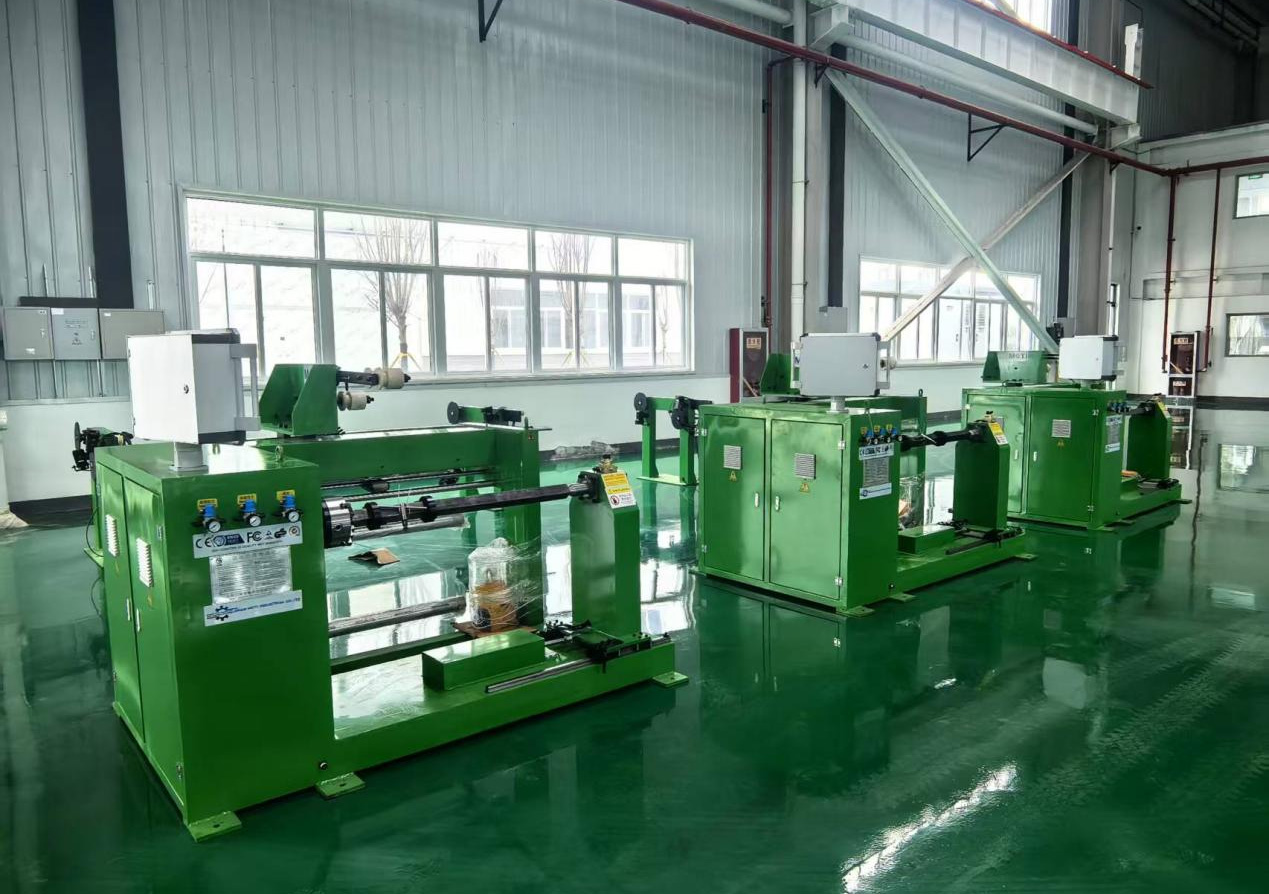
Quality excellence and customer satisfaction remain the core values that guide every aspect of XINSANHUAN’s business operations. Through strict quality assurance, reliable delivery schedules, and comprehensive after-sales support, the company has earned the trust and long-term cooperation of customers around the world.
Its commitment to providing dependable products and professional services has established a strong reputation within the global power equipment industry. Every integrated CT PT unit and power transformer undergoes stringent type and routine testing, including lightning impulse voltage withstand tests, partial discharge (PD) measurements strictly below 10pC, temperature rise verification, and multi-ratio accuracy validation using automated computerized test benches.
Looking toward the future, Hanzhong Xinsanhuan Transformer Co., Ltd. will continue to uphold its philosophy of integrity, innovation, quality, and customer focus. By leveraging its strong technical expertise, advanced manufacturing capabilities, and global market experience, the company is committed to building long-term partnerships with customers worldwide and contributing to the development of safe, efficient, and sustainable power infrastructure. Together with its partners, XINSANHUAN strives to create greater value and shape a brighter future for the global energy industry.
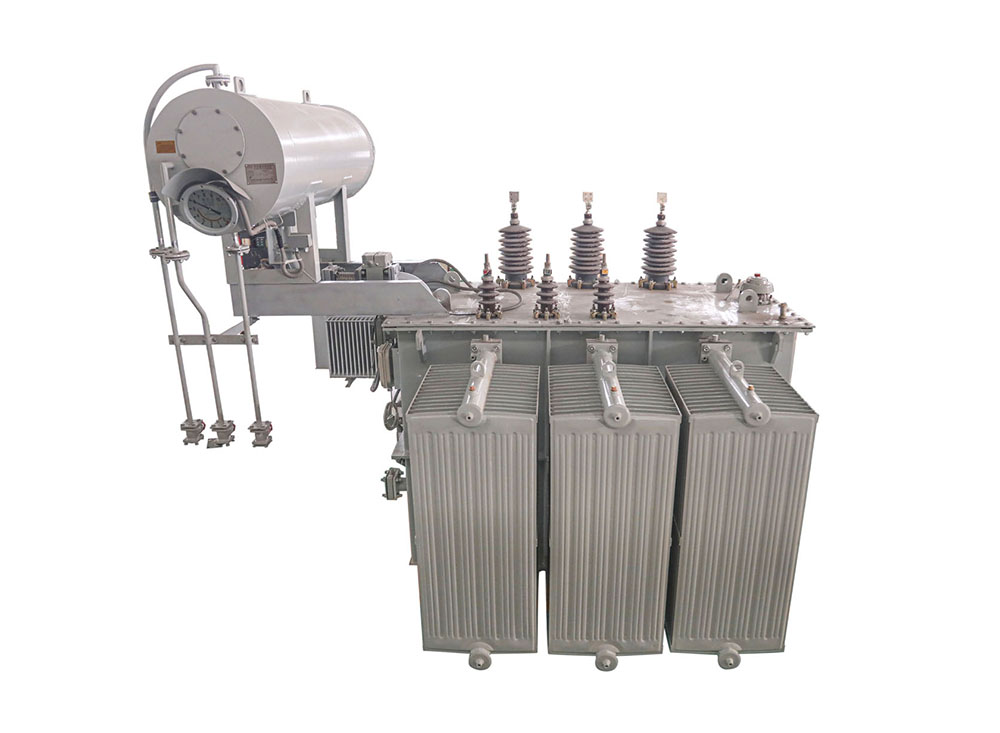
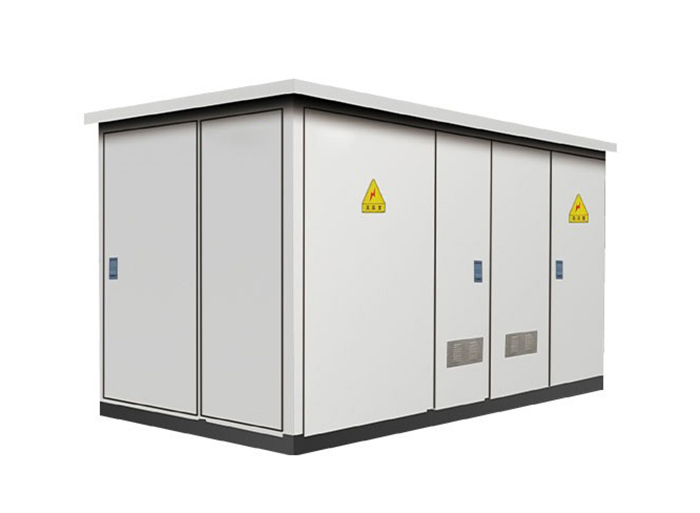
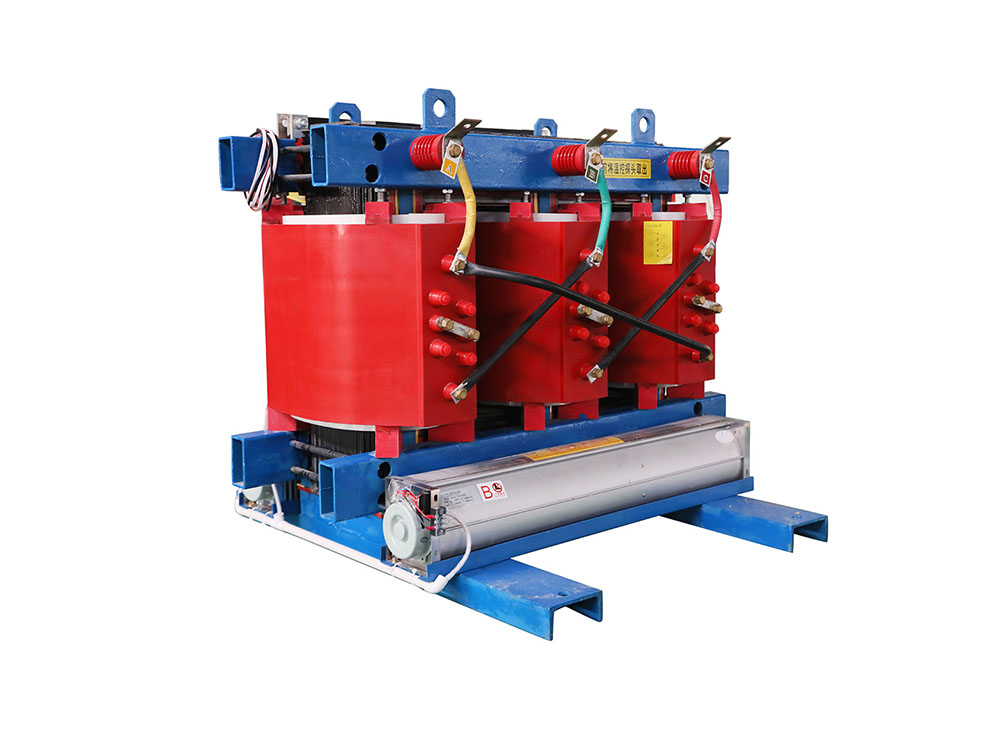
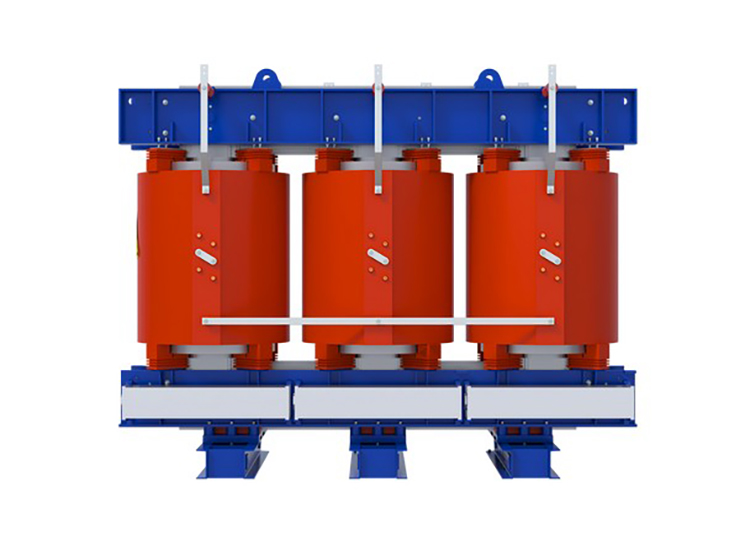
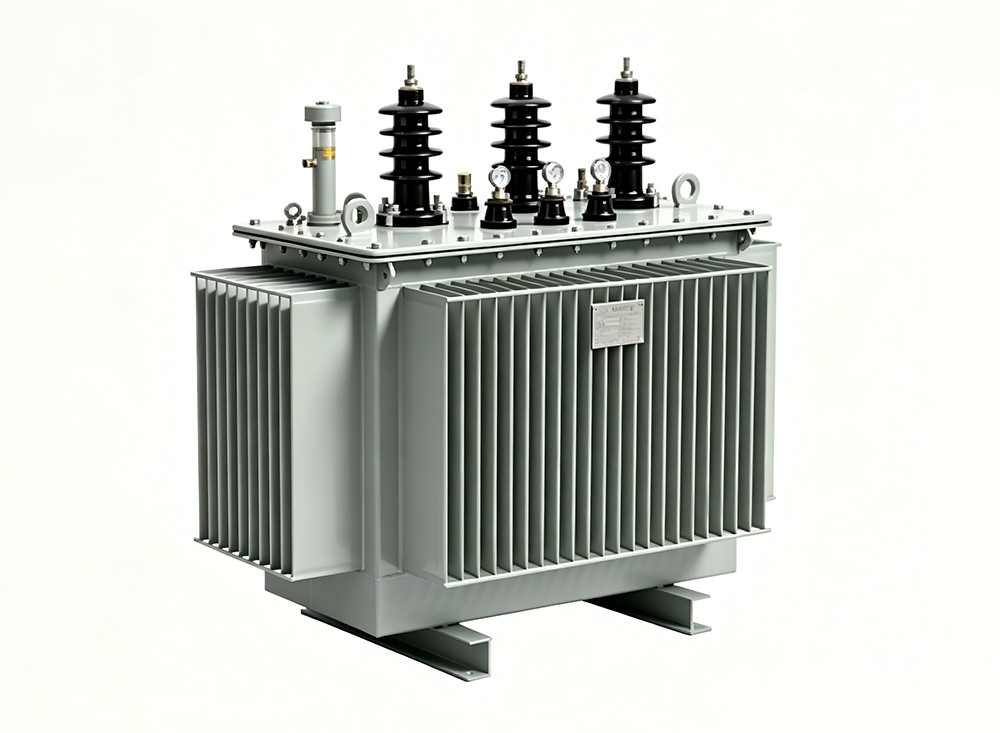
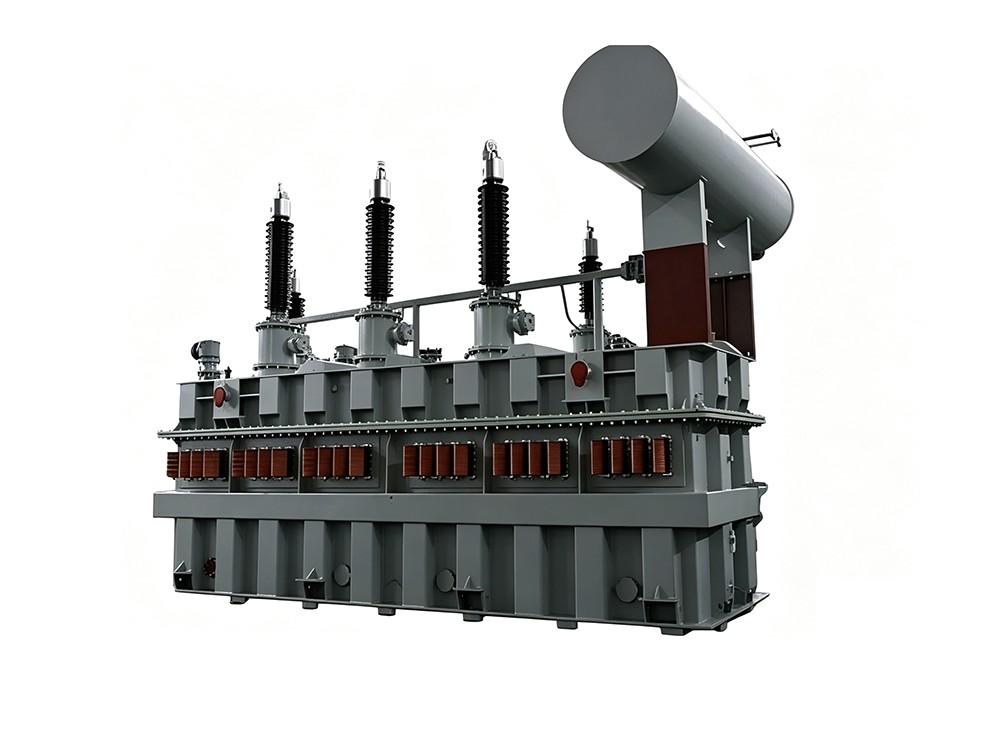
Explore our full range of oil-immersed, cast resin, dry-type, and specialty booster transformers tailored for renewable power plants and industrial power grids.