
Leave Your Message
Core equipment providing system earthing, step-up transformation, and resilient distribution infrastructure for high-voltage state grid networks.
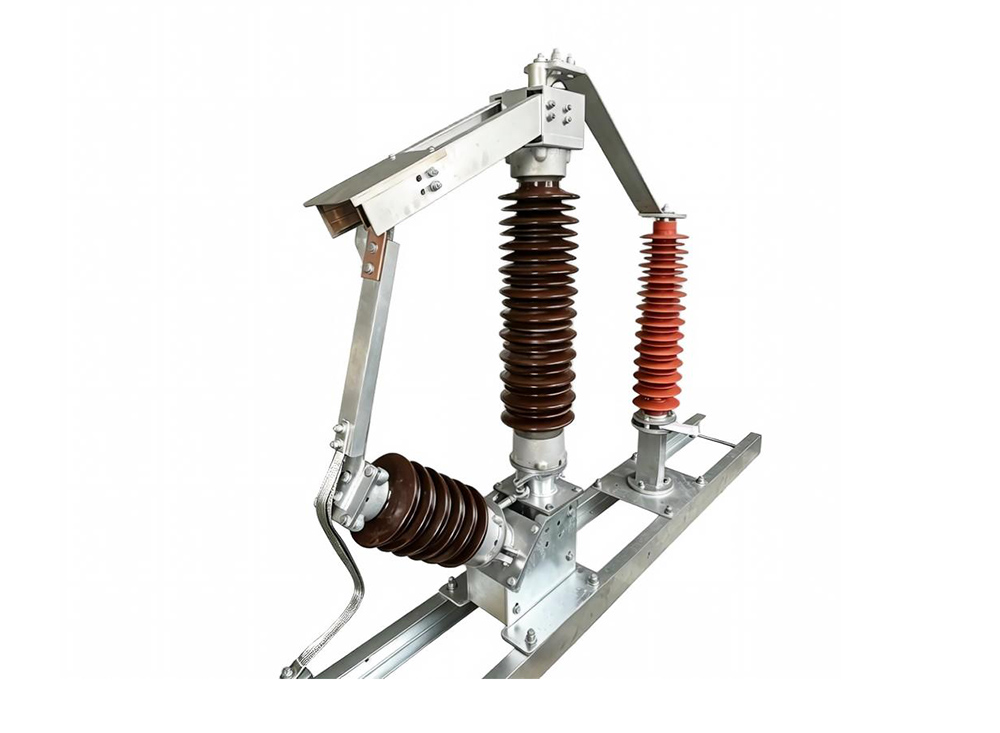
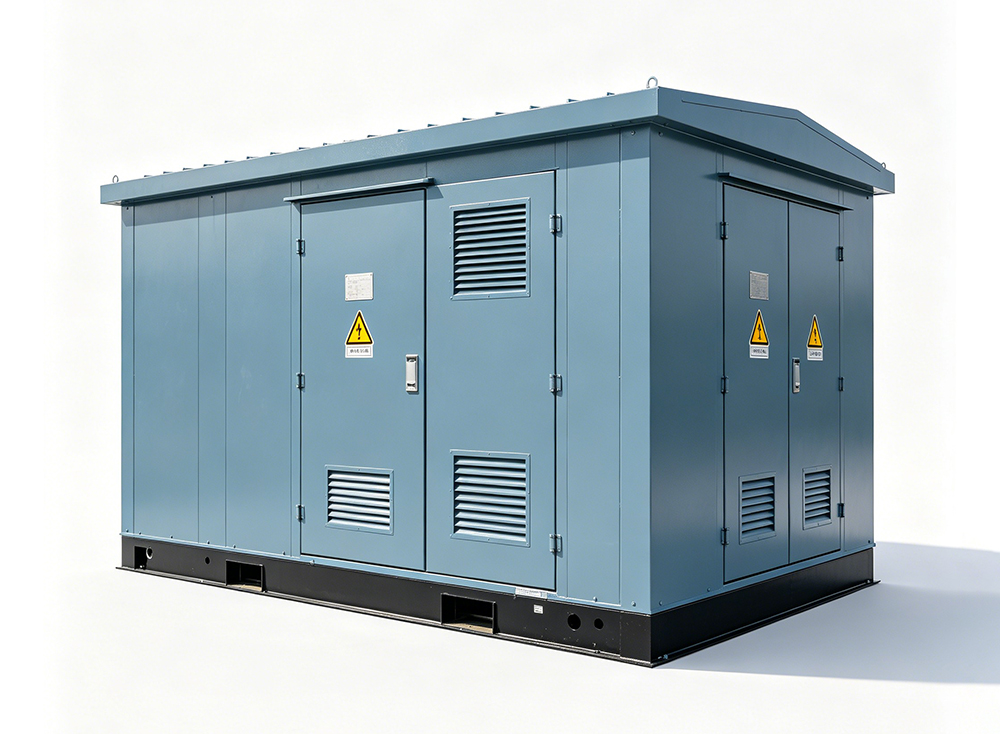
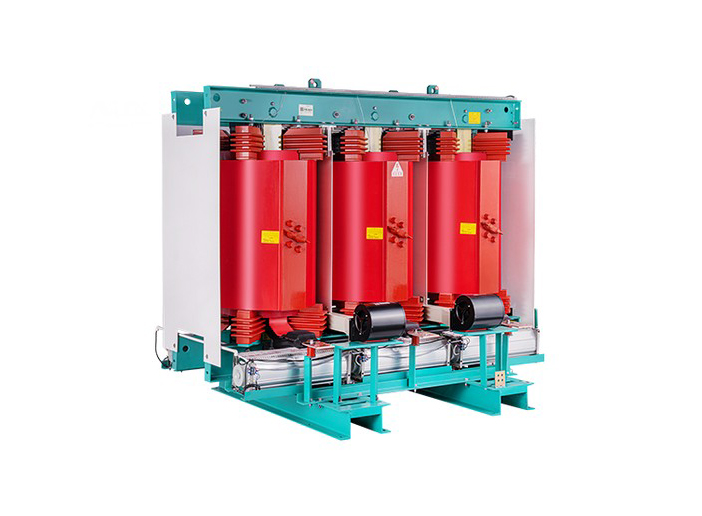

In high-voltage transmission and medium-voltage distribution systems, electric power utilities worldwide face surging demands for operational efficiency, rapid digital telemetry, and rigorous footprint reduction. An Integrated CT PT Transformer (Combined Current Transformer and Potential/Voltage Transformer Unit) represents an engineering evolution, consolidating magnetic induction current sensing and precision capacitive or inductive voltage measurement into a singular, hermetically sealed or cast-resin monolithic apparatus.
State grid operations rely on combined CT/PT units to execute vital operational duties: ultra-accurate boundary tariff revenue metering (Class 0.2S and 0.5S), differential feeder protection, harmonic disturbance monitoring, and busbar fault containment. Consolidating discrete CT and PT housings into an integrated footprint reduces substation footprint by up to 45%, minimizes dielectric leakage points, and simplifies switchgear integration across 10kV, 35kV, 66kV, and 110kV substations.
| Parameter | Transmission Substation Standard |
|---|---|
| Rated Voltage (kV) | 10kV, 20kV, 35kV, 66kV, 110kV |
| Current Accuracy Class | 0.2S / 0.5S for Metering; 5P20 / 10P20 for Protection |
| Voltage Accuracy Class | 0.2 / 0.5 (Metering); 3P / 6P (Relaying) |
| Dielectric Medium | Vacuum Cast Epoxy Resin / High-Grade Mineral Oil |
| Partial Discharge Level | ≤ 10 pC at 1.2 Um / √3 (Exceeds IEC 61869) |
Designed to deliver uncompromised insulation reliability, linear saturation limits, and superior anti-ferroresonance performance under severe grid transients.
Features independent magnetic circuits for metering and relay protection windings. High-permeability oriented silicon steel and nano-crystalline cores prevent magnetic cross-talk and avoid premature saturation during heavy short-circuit fault excursions.
Equipped with specialized open-delta auxiliary windings and integrated damping circuitry to dissipate sub-harmonic non-linear resonance triggers caused by circuit breaker switching, lightning surges, or disconnected line capacitances.
Fabricated using automated vacuum pressure impregnation (VPI) and advanced cycloaliphatic epoxy formulations, guaranteeing micro-bubble-free encapsulation with high thermal dissipation and superior tracking resistance in polluted grid environments.
Deploying integrated measurement and sensing units across diverse utility nodes, distributed substations, and industrial boundaries.
In high-capacity utility hubs, integrated CT PT transformers operate at transmission boundaries and feeder junctions. By delivering high thermal short-circuit ratings (up to 31.5kA/3s) and multi-tap secondary current outputs (1A / 5A), they provide reliable data for automated SCADA systems, remote terminal units (RTUs), and wide-area protection schemes.
Wind power farms and utility-scale photovoltaic plants experience sharp power swings, inverter harmonics, and dynamic reactive loads. Integrated CT/PT assemblies engineered for step-up substations maintain high linearity across broad load factors (from 1% to 120% of nominal rating), safeguarding precision settlement between independent power producers (IPPs) and national power grids.
Metropolitan grids demand minimal footprint and oil-free fire safety. Monolithic dry-type cast resin combined transformers integrate directly into metal-clad switchgear and modular GIS packages, eliminating high maintenance overheads and oil containment civil works while securing Class 0.2 accuracy.
Modernized substations transition from analog copper wiring to digital merging units (MUs). Integrated CT PT systems can be coupled with electronic signal conditioners to output sampled values (SV) conforming to IEC 61850-9-2, facilitating high-speed optical fiber communications throughout the primary equipment bay.
Hanzhong Xinsanhuan Transformer Co., Ltd. delivers robust, certified power transmission and conversion equipment worldwide.
Today, XINSANHUAN’s products are exported to more than 30 countries and regions worldwide. Its international footprint spans Europe, Central Asia, Southeast Asia, Africa, and Latin America, with successful projects completed in countries such as Russia, Kazakhstan, Uzbekistan, Kyrgyzstan, Ethiopia, Zambia, Tanzania, Mexico, Honduras, and many others. The company’s products are widely recognized for their excellent operational performance, high efficiency, durability, and adaptability to diverse climatic and grid conditions.
Quality excellence and customer satisfaction remain the core values that guide every aspect of XINSANHUAN’s business operations. Through strict quality assurance, reliable delivery schedules, and comprehensive after-sales support, the company has earned the trust and long-term cooperation of customers around the world. Its commitment to providing dependable products and professional services has established a strong reputation within the global power equipment industry.
Looking toward the future, Hanzhong Xinsanhuan Transformer Co., Ltd. will continue to uphold its philosophy of integrity, innovation, quality, and customer focus. By leveraging its strong technical expertise, advanced manufacturing capabilities, and global market experience, the company is committed to building long-term partnerships with customers worldwide and contributing to the development of safe, efficient, and sustainable power infrastructure. Together with its partners, XINSANHUAN strives to create greater value and shape a brighter future for the global energy industry.
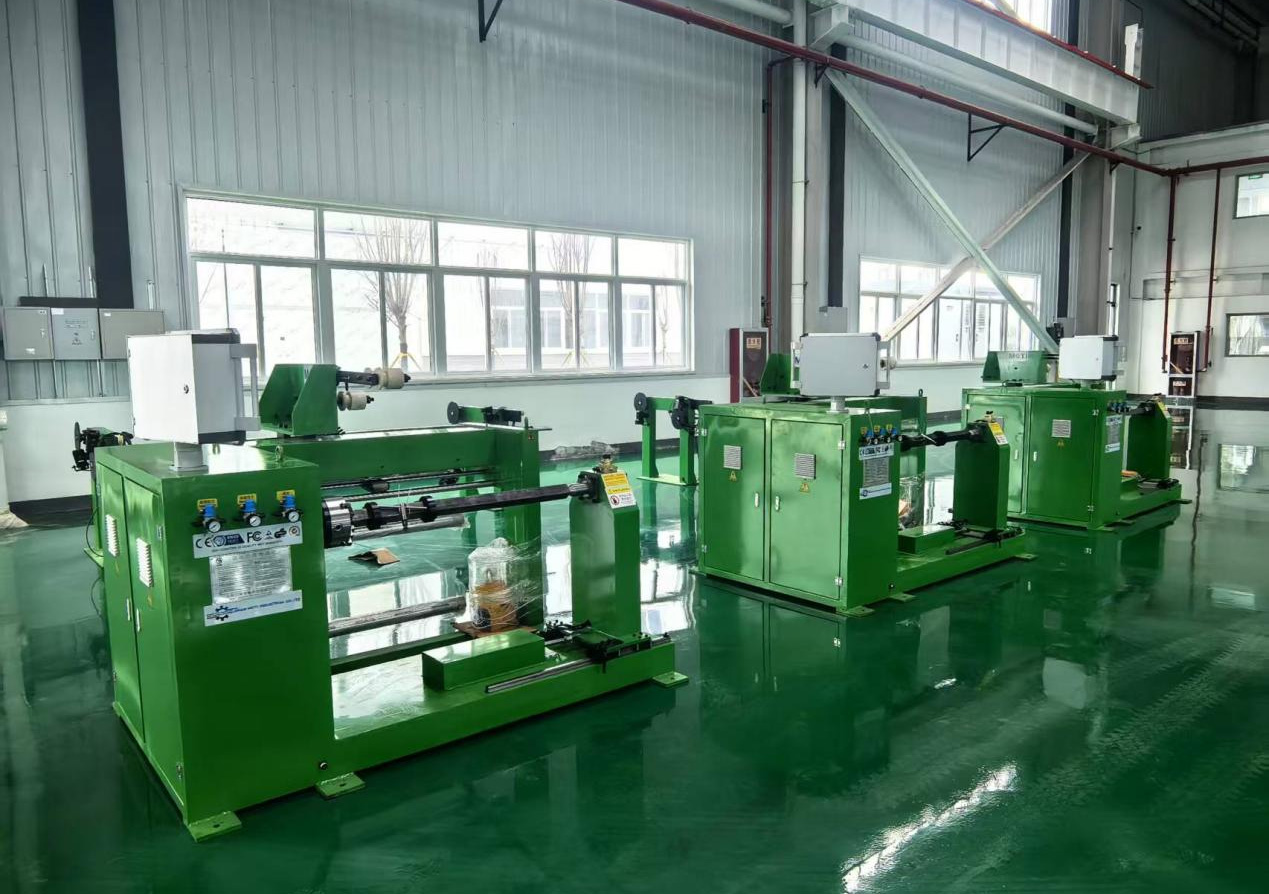
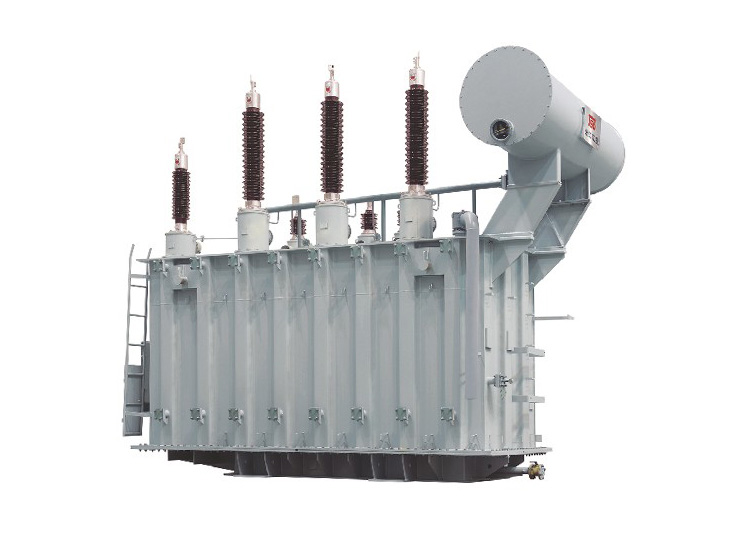
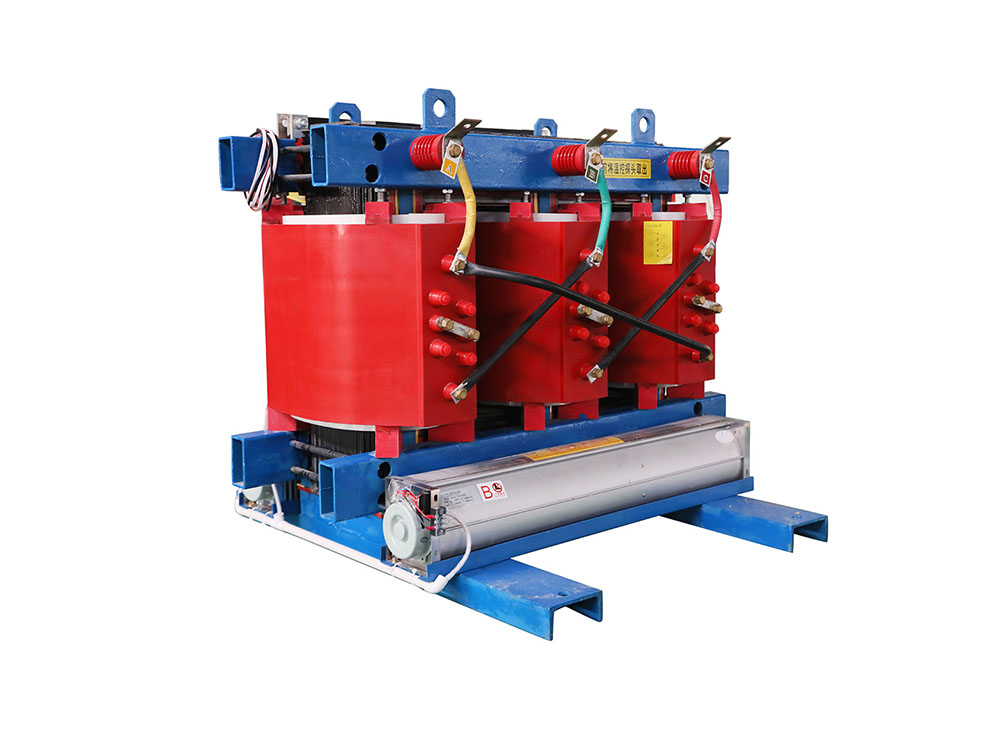
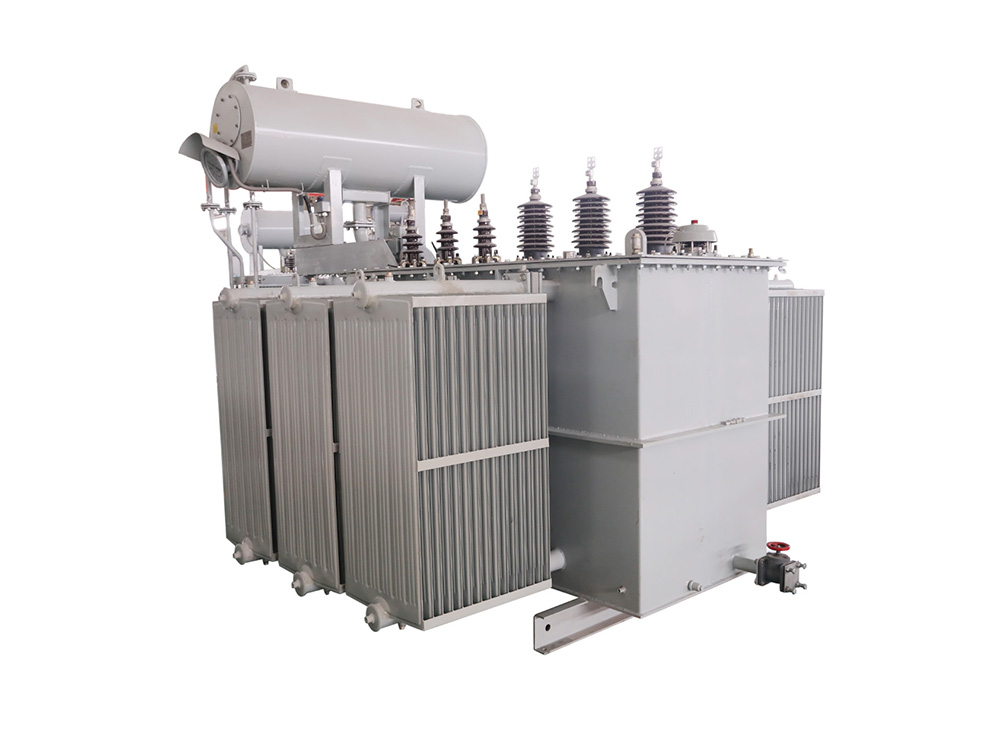
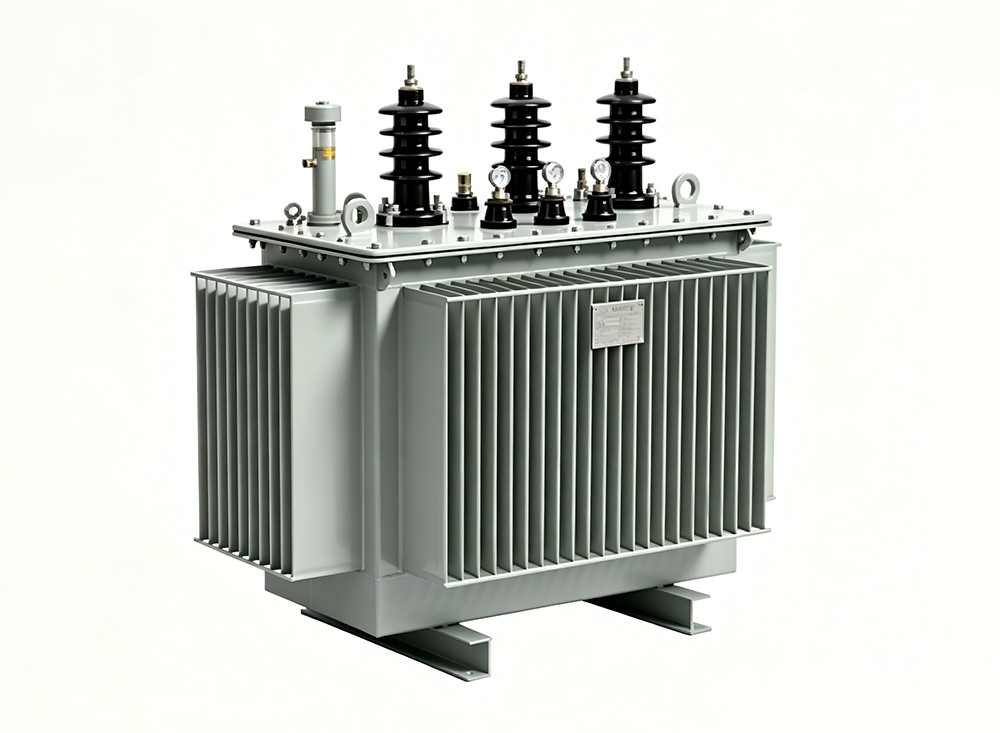
Explore our comprehensive portfolio of high-voltage transmission transformers, eco-efficient dry-type units, and specialized grid protection equipment.
Key technical considerations regarding combined instrument transformer selection, installation, and lifecycle maintenance.