
Leave Your Message
Core instrumentation apparatus and grounding control devices tailored for high-accuracy telemetry, current sensing, and system stability across utility substations.
The transformation of electrical utility infrastructure demands unprecedented levels of precision, safety, and real-time data conversion.
In modern electrical power systems, the Measurement Transformer (broadly encompassing Current Transformers [CTs], Potential/Voltage Transformers [PTs/VTs], and Combined Metering Units) represents the foundational sensory organ of State Grid transmission and distribution substations. As national grid entities transition toward digital substations and intelligent grid architectures, these devices fulfill dual mission-critical functions: providing galvanic isolation between ultra-high voltage primary conductors and low-voltage secondary control circuits, while stepping down mega-amperes and kilovolts into standardized, micro-precise telemetry inputs for tariff metering, supervisory control, and high-speed protection relays.
The contemporary utility landscape is experiencing an aggressive evolution spurred by distributed renewable energy integration, bidirectional power flow, wide-area power electronics switching (such as HVDC and FACTS), and aggressive decarbonization mandates. Substation measurement transformers are no longer isolated electromagnetic devices; they are high-fidelity nodes that directly influence billing accuracy, revenue assurance, fault locational isolation, and power quality index monitoring.
Delivers Class 0.2S and Class 0.5S metering accuracy over a massive dynamic current range (from 1% to 120% nominal load), mitigating multi-million-dollar revenue discrepancies in high-voltage bulk power interchanges.
Engineered with exceptional saturation resistance (5P20, 10P30, and transient TPX/TPY/TPZ classes) to ensure distance, differential, and overcurrent relays trip accurately during severe short-circuit faults.
High-bandwidth sensing enables detection of high-order harmonic pollution, voltage sags, flickers, and switching transients caused by inverter-based renewable generators and industrial loads.
Understanding the transition from iron-core inductive transformers to Non-Conventional Instrument Transformers (NCIT) and IEC 61850 Process Bus integration.
State Grid substations operate across various hierarchical levels—ranging from 10kV / 35kV urban distribution rings to 110kV, 220kV regional hubs and 500kV / 1000kV UHV transmission corridors. Traditionally, measurement transformers relied strictly on oil-immersed or epoxy resin-cast magnetic cores with copper wire windings. While electromagnetic instrument transformers remain the backbone of global utilities due to their field-proven ruggedness and decades-long lifespan, significant technological transformations are reshaping the industry:
| Transformer Category | Typical Voltage Rating | Standard Accuracy Classes | Core Application Scenarios | Key Performance Strengths |
|---|---|---|---|---|
| Oil-Immersed High Voltage CT/VT | 35kV – 220kV+ | 0.2S, 0.5, 5P20, 10P30 | Outdoor Main Substation Bays, Overhead Transmission Interties | Superior dielectric strength, self-healing liquid insulation, exceptional surge withstand |
| Cast Resin Dry-Type CT/PT | 10kV – 35kV | 0.2, 0.5, 0.5P, 1.0 | Indoor Switchgear, Prefabricated Compact Substations, Industrial Facilities | Zero explosion hazard, maintenance-free, flame-retardant, high mechanical shock tolerance |
| Combined Metering Outfits (JLS Series) | 10kV, 20kV, 35kV | 0.2S / 0.5S (Dual Cores) | Three-Phase Energy Tariff Points, Regional Grid Boundary Monitoring | Integrated 3-phase current + voltage sensing in a single compact enclosure; anti-tamper design |
| Optical / Electronic Sensors (NCIT) | 110kV – 500kV | Class 0.2 Digital Output | Digital Smart Substations, Automated Process Bus Networks | Linear dynamic response, zero magnetic hysteresis, immunity to electromagnetic interference (EMI) |
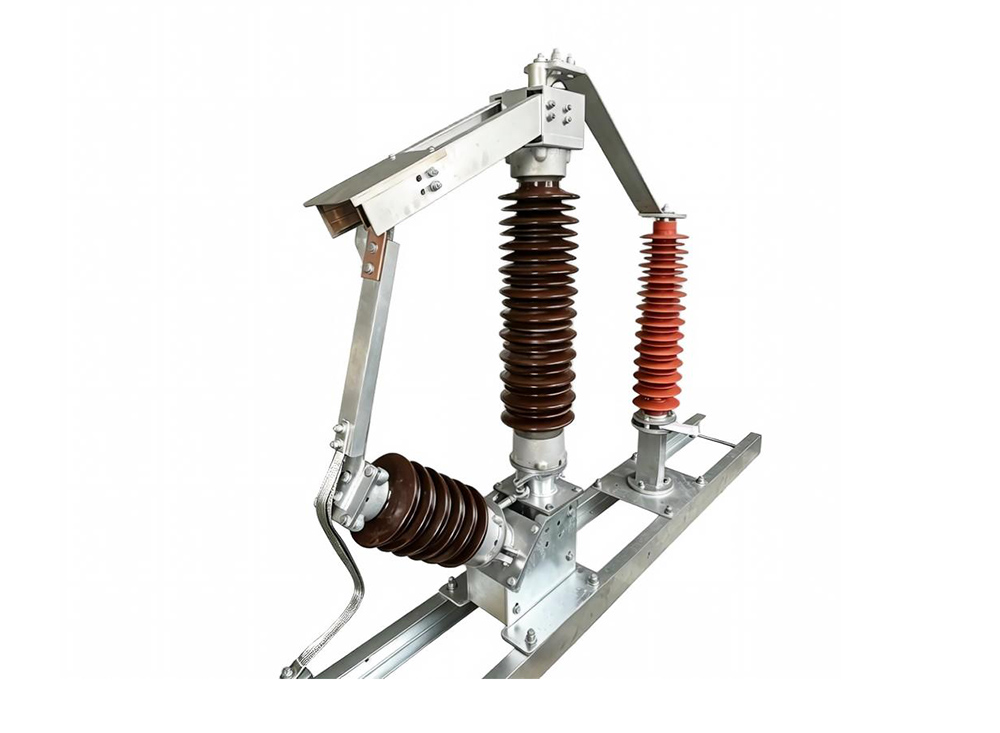
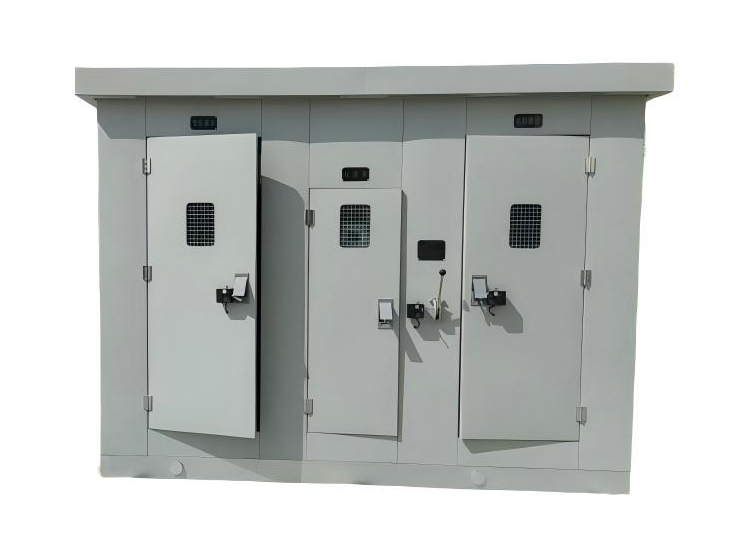
Precise measurement transformer architectures deployed across distribution rings, transmission hubs, and neutral grounding topologies.
In high-voltage main substations, measurement transformers operate under severe continuous dielectric stress and dynamic electromagnetic forces. Dual-secondary and triple-secondary core architectures are implemented to completely separate revenue-grade billing functions from high-speed differential protection relays. Optical telemetry and gas-chromatography oil monitoring are combined to prevent catastrophic insulation failure while feeding synchronous phasor measurement units (PMUs) across regional grid interconnections.
In municipal distribution networks and high-density industrial parks, cast resin insulated CTs and VTs are embedded inside compact metal-clad switchgear panels. Here, space optimization, partial discharge suppression (< 10 pC at 1.2 Um), and ferroresonance suppression within potential transformers are paramount to prevent open-delta thermal damage during single-phase ground faults.
Main power transformers in 110kV and 220kV substations require dedicated neutral protection. Combined with ZJB Series Neutral Gap Earthing Devices and Neutral Grounding Resistors (NGR), specialized zero-sequence current transformers (ZSCT) continuously sample unbalance currents, lightning discharge surges, and harmonic zero-sequence components to trigger rapid earthing knife-switch isolation and transient overvoltage clamping.
Utility-scale solar photovoltaics, wind farms, and battery energy storage systems (BESS) introduce rapid power ramping and DC offset components. Measurement transformers designed for renewable collector substations feature extended frequency response curves and anti-saturation cores capable of isolating DC harmonic injection from destabilizing grid-level protective relays.
Hanzhong Xinsanhuan Transformer Co., Ltd. is a professional transformer manufacturer located in Hanzhong City, Shaanxi Province, China—a renowned historical and cultural city known for its strategic geographical location at the heart of the country. Since its establishment, the company has been dedicated to the research, development, design, manufacturing, and service of high-quality power transmission and distribution equipment, providing reliable solutions to customers across domestic and international markets.
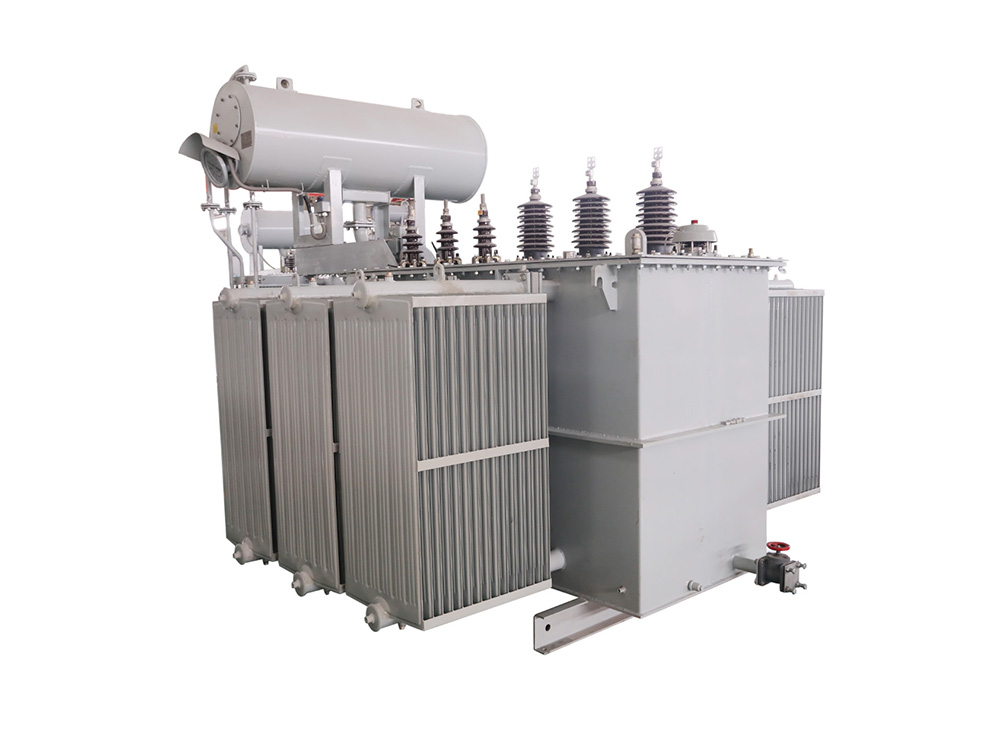
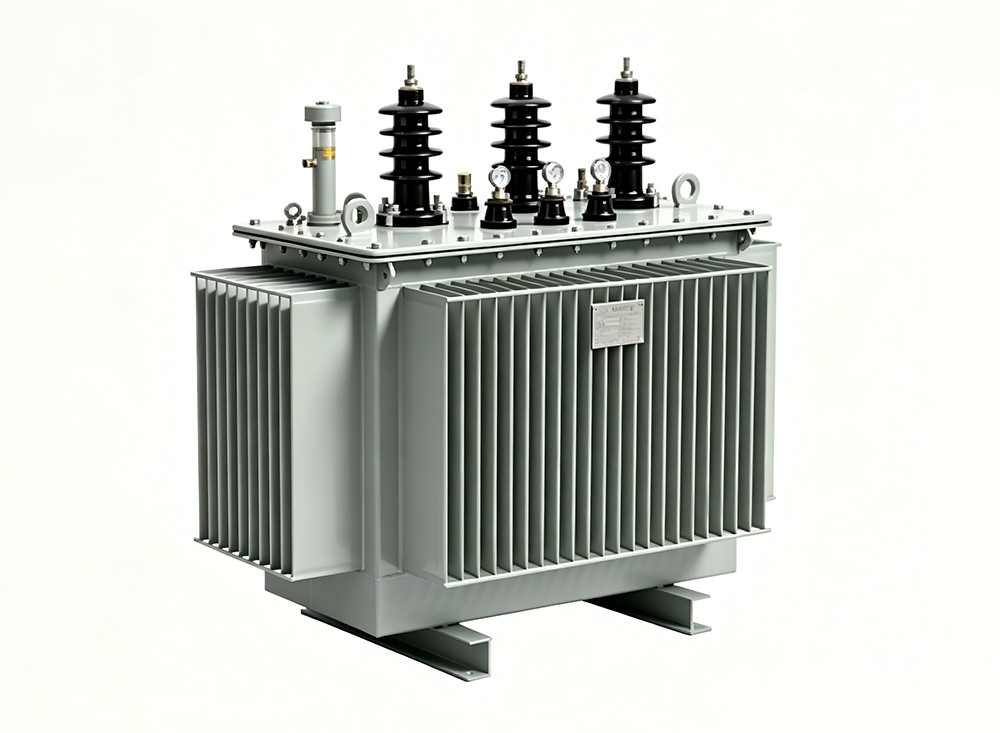
The company specializes in the production of power transformers up to 110kV, rectifier transformers, amorphous alloy transformers, oil-immersed distribution transformers, dry-type transformers, compact prefabricated substations, and other customized transformer solutions. With years of industry experience and continuous technological innovation, XINSANHUAN has developed a comprehensive product portfolio capable of meeting the diverse requirements of power utilities, industrial facilities, renewable energy projects, infrastructure developments, and commercial applications.
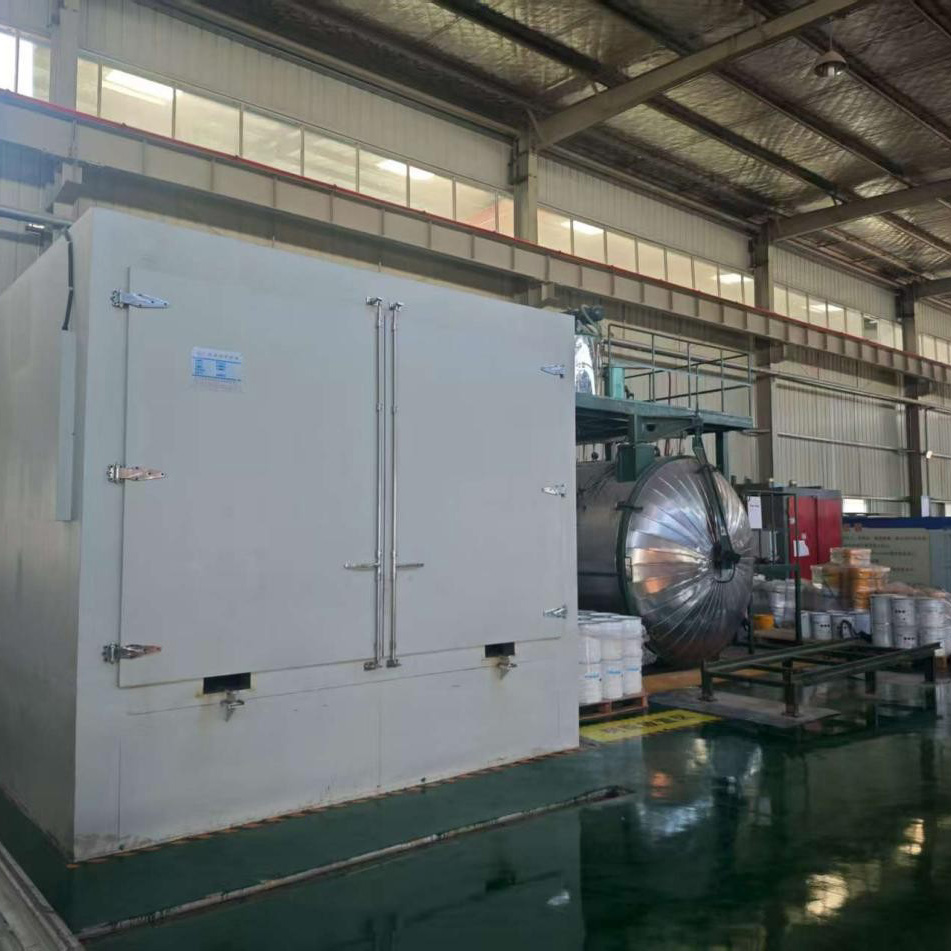
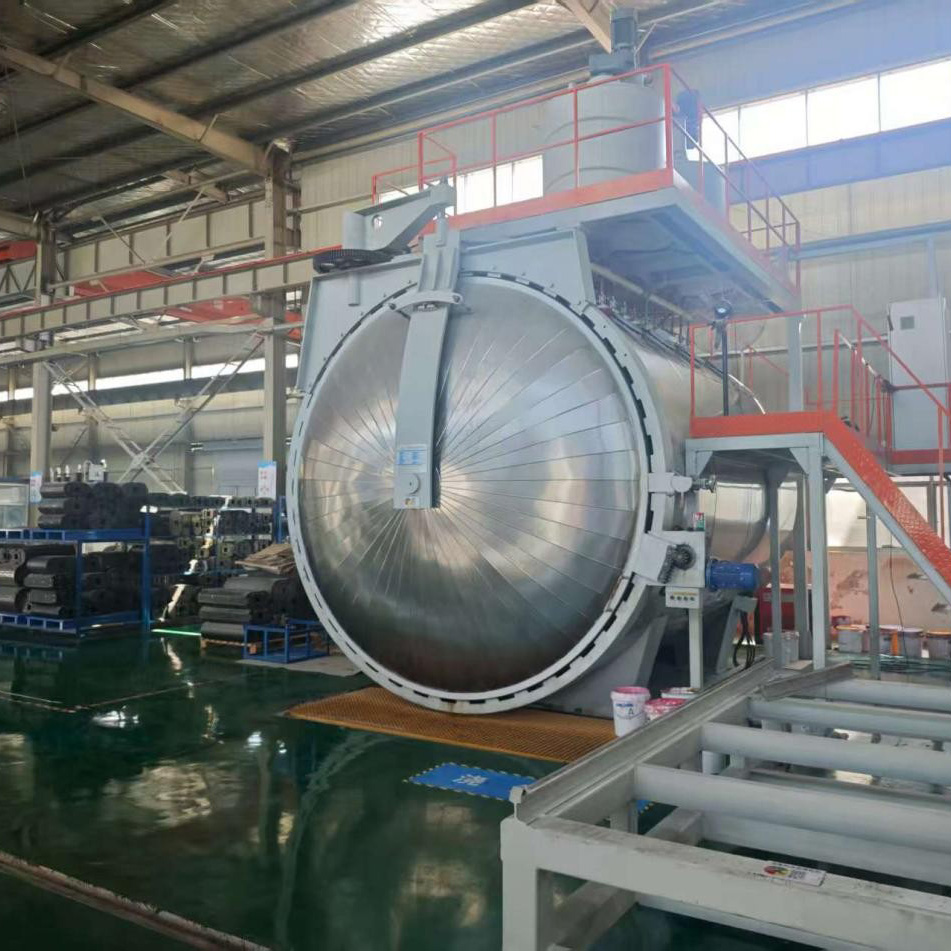
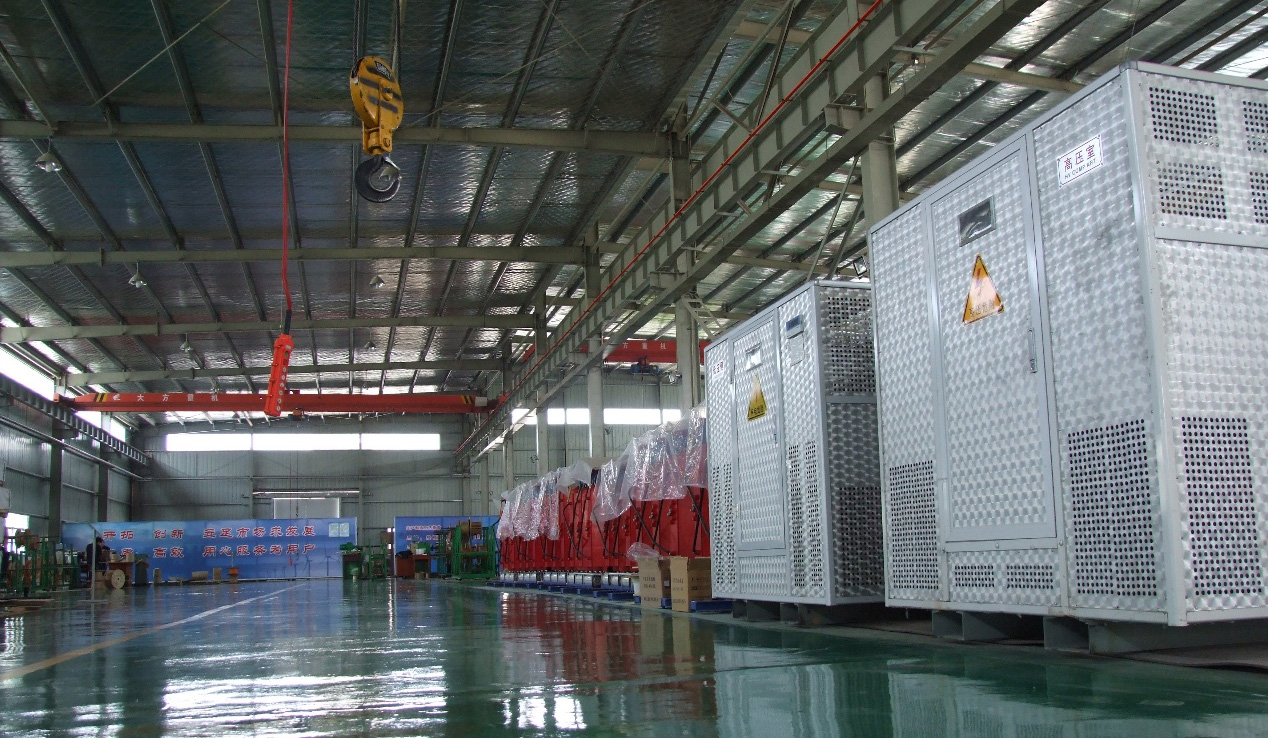
To ensure the highest standards of product quality and performance, the company has invested heavily in advanced manufacturing equipment, modern production lines, and comprehensive testing facilities. Supported by a highly qualified engineering and technical team, XINSANHUAN maintains strict quality control throughout every stage of production, from design and raw material procurement to manufacturing, testing, and final delivery. The company’s robust research and development capabilities enable it to continuously improve product efficiency, reliability, and environmental performance in response to evolving market demands.
Every transformer unit undergoes rigorous routine, type, and special dielectric tests—including partial discharge measurement, lightning impulse withstand tests, short-circuit withstand verification, and temperature rise assessments—ensuring total compliance with IEC 60076, IEC 61869, and State Grid utility specifications.
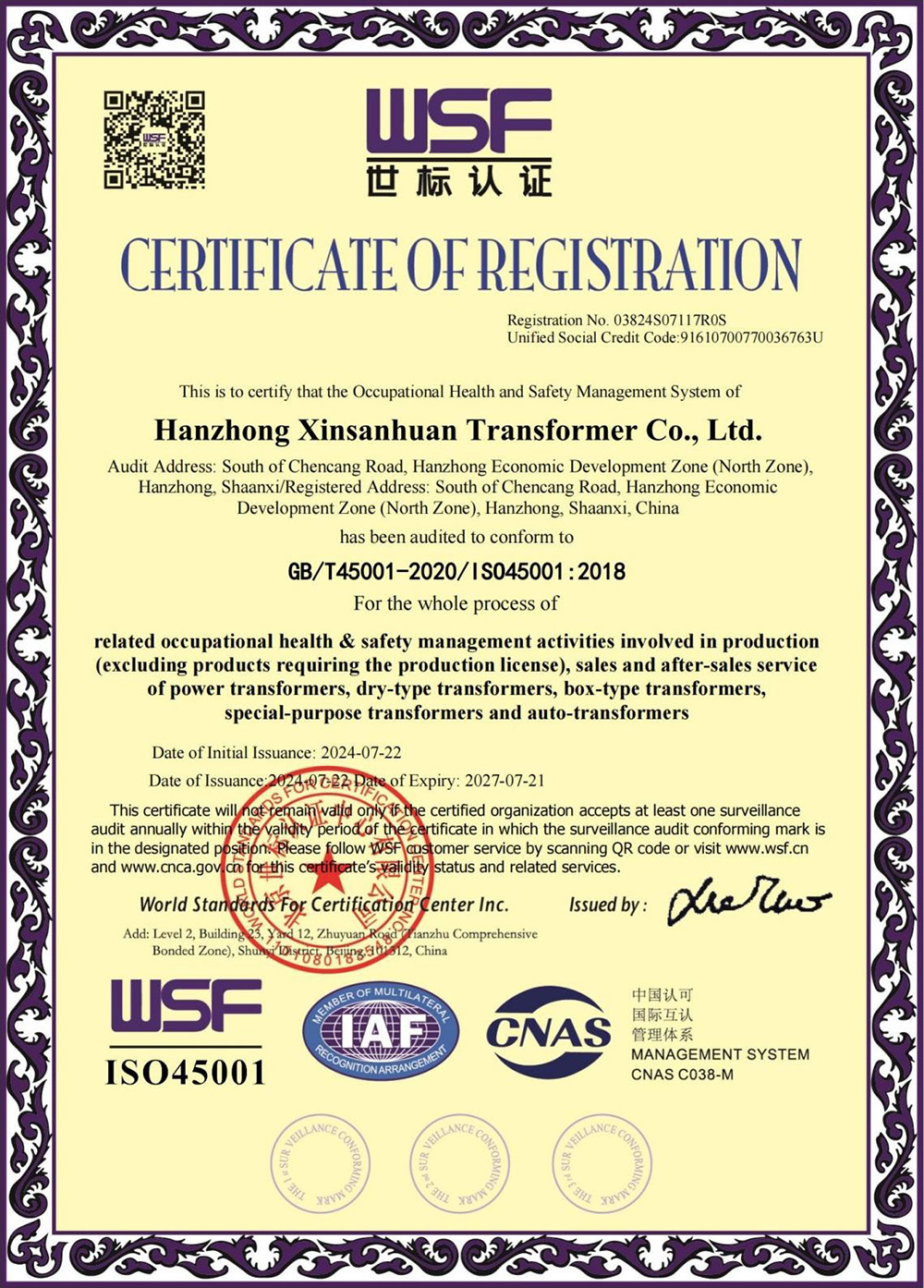
Since 2006, Hanzhong Xinsanhuan Transformer Co., Ltd. has established a comprehensive management system and obtained a series of internationally recognized certifications, including ISO 9001 Quality Management System Certification, ISO 14001 Environmental Management System Certification, and ISO 45001 Occupational Health and Safety Management System Certification. The company has also received Energy-Saving Product Certification and has been honored with the title of Green Factory, reflecting its commitment to sustainable manufacturing practices and environmental responsibility.
As a recognized High-Tech Enterprise, XINSANHUAN places strong emphasis on technological advancement and intellectual property development. The company has obtained numerous national patents covering product design, manufacturing processes, and technical innovations. In addition, its products have achieved CE certification, enabling compliance with European market requirements and facilitating exports to a broader international customer base. The company also holds independent import and export rights, ensuring efficient global trade operations and responsive customer service.
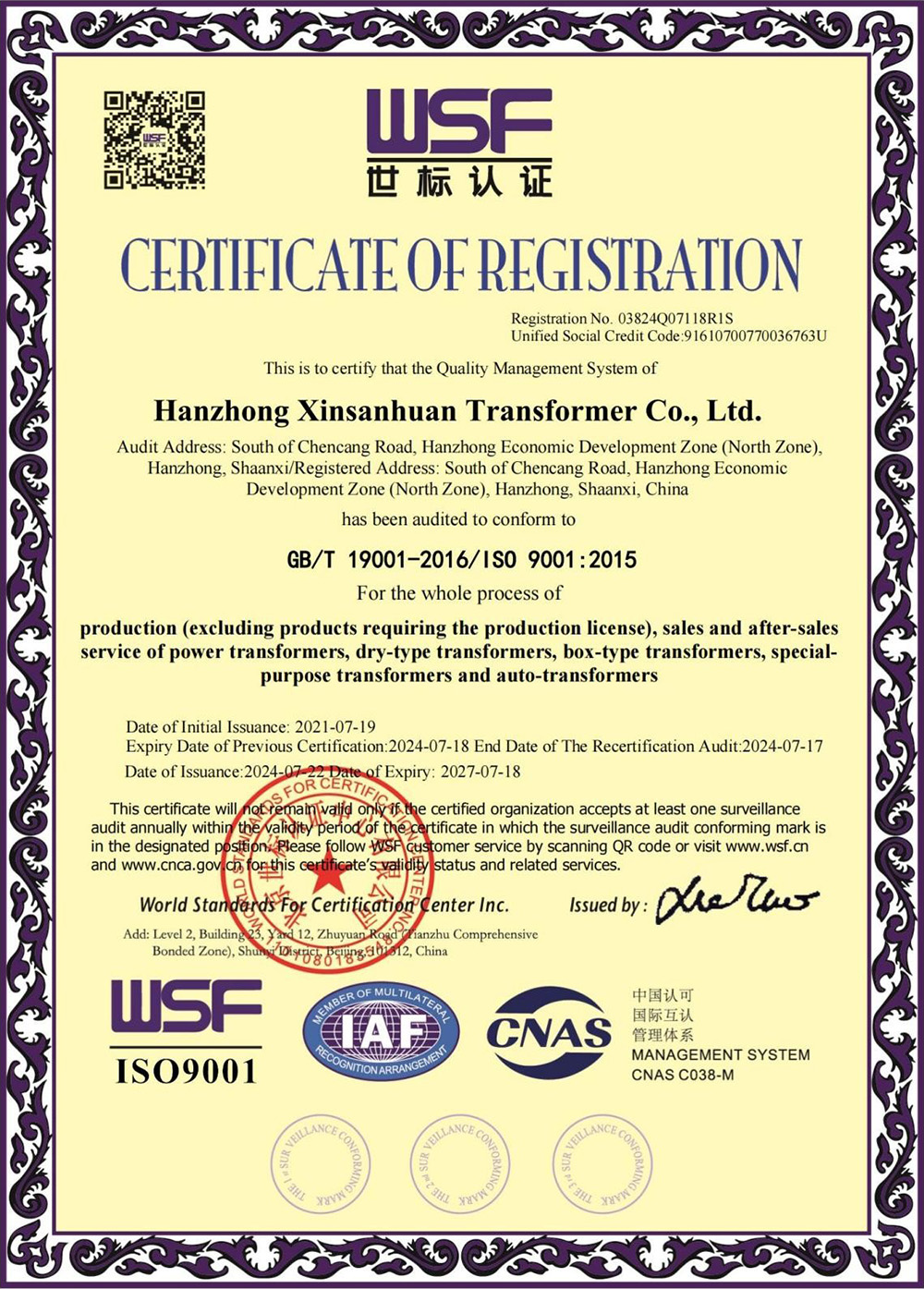
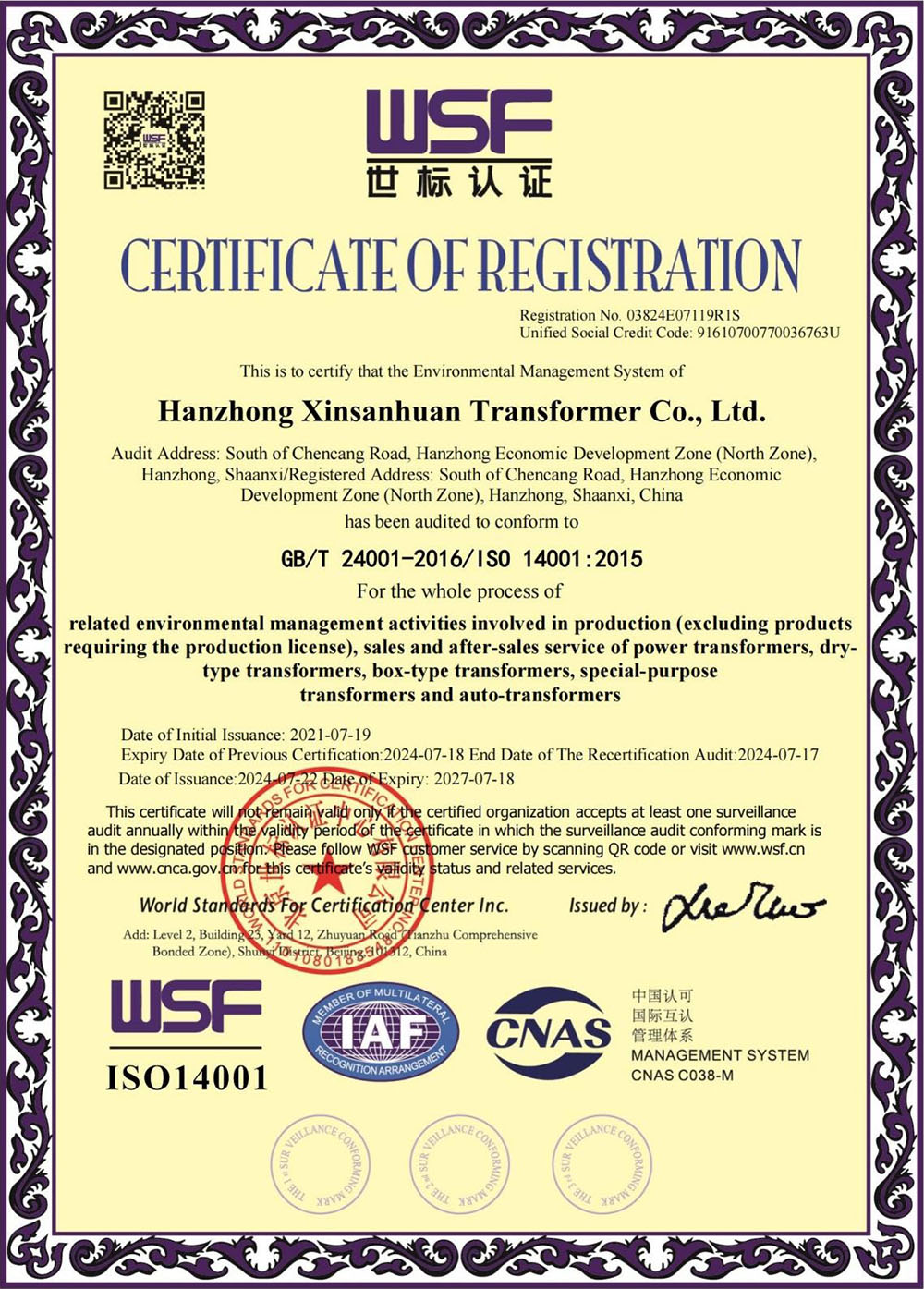
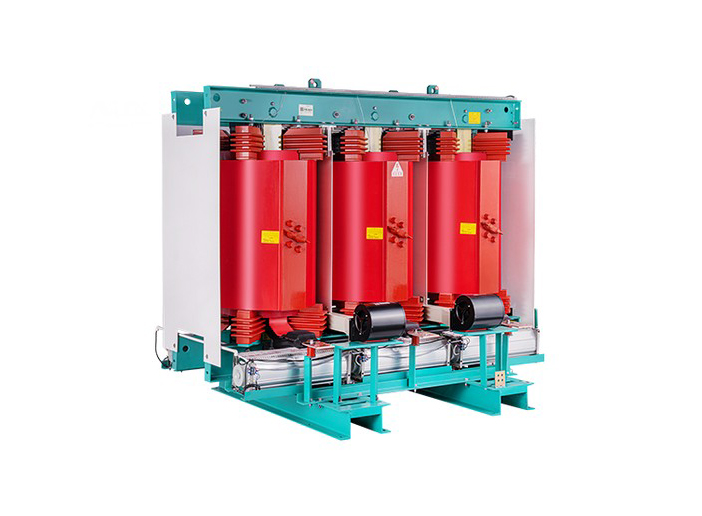
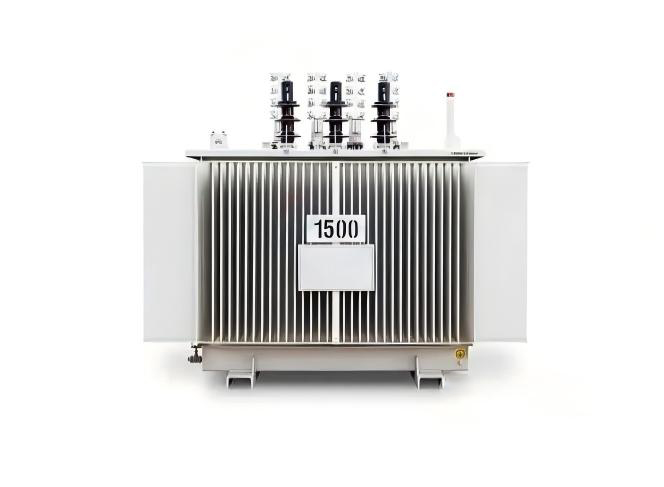
Engineered for utility-grade reliability, optimal thermal dissipation, and ultra-low loss operation compliant with IEC and State Grid requirements.

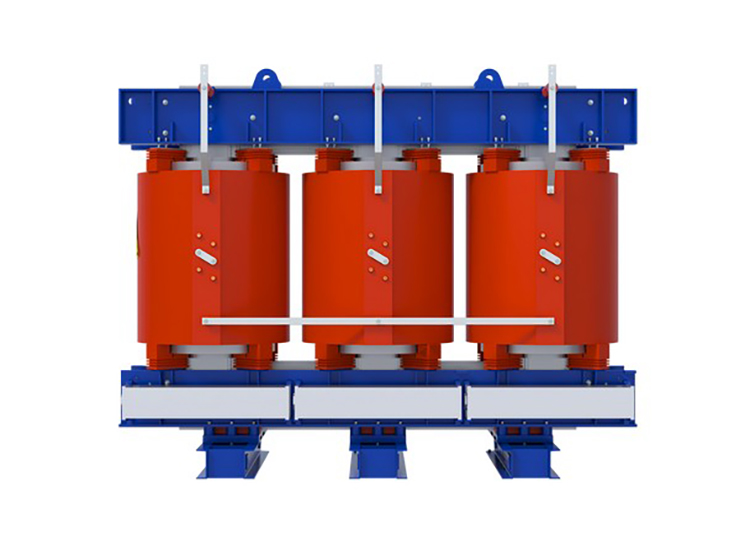
Key design parameters to consider when specifying measurement transformers and substation auxiliary apparatus.
Carefully calculate the secondary loop impedance (relay burden + wiring resistance). Over-burdening reduces metering class accuracy, whereas selecting excessively high VA ratings on CTs can compromise low-current sensitivity.
Ensure instrument transformer primary windings match the substation maximum symmetrical short-circuit current (e.g., 25kA/3s, 31.5kA/3s, or 50kA/1s) to eliminate mechanical deformation and thermal flashover risks.
For outdoor substation environments with industrial dust, high salinity, or alpine snow, specify high-creepage porcelain or silicone rubber sheds (≥ 31 mm/kV) to prevent external surface tracking and flashovers.