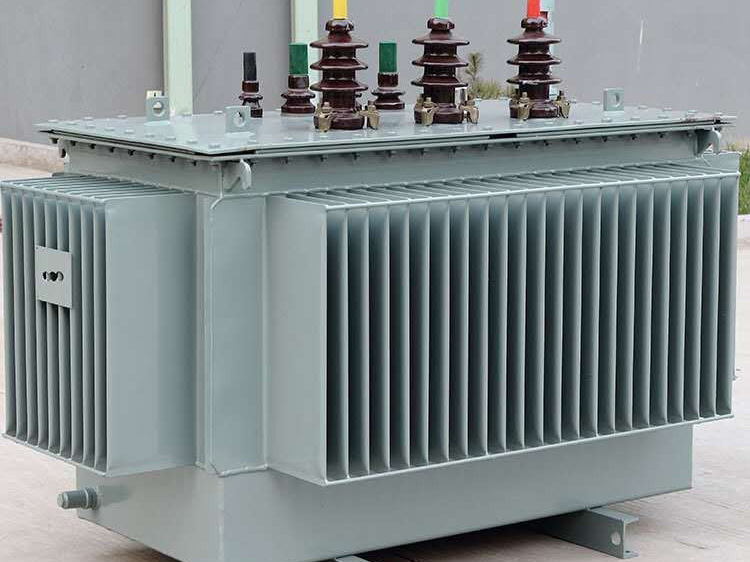
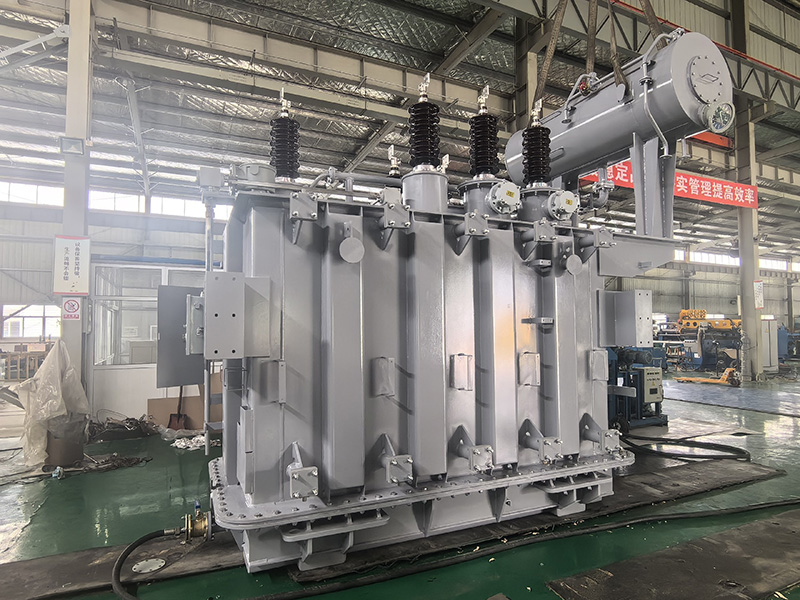
How Amorphous Alloy Transformers Cut No-Load Losses
As grid operators worldwide face rising electricity demand and tightening energy-efficiency regulations, no-load loss has become one of the most closely watched performance indicators in transformer procurement. Amorphous alloy transformers, which replace traditional silicon steel cores with iron-based amorphous ribbon, can reduce no-load losses by 60–80% compared with conventional dry-type units of the same capacity. For distribution networks that run around the clock, this difference translates directly into measurable energy and carbon savings.
Why the Core Material Matters
In a distribution transformer, no-load loss occurs continuously — 24 hours a day, whether or not the transformer is delivering load. Over a 25-year service life, these standby losses often account for a larger share of total lifetime energy consumption than load losses themselves. The physics is simple: amorphous alloy ribbon has a disordered atomic structure with no crystal lattice, which dramatically lowers hysteresis loss and magnetizing current.
- No-load loss reduction: typically 60–80% lower than grain-oriented silicon steel cores of equivalent rating;
- Excitation current: significantly reduced, improving power factor at the distribution level;
- Operating temperature: lower core temperature extends insulation life and reduces cooling demand;
- Noise level: modern amorphous cores with epoxy encapsulation achieve noise comparable to conventional units.
Where Amorphous Technology Delivers the Most Value
Amorphous alloy transformers deliver the highest return in applications where transformers remain energized at low average load factors. Typical scenarios include rural and suburban distribution feeders, commercial buildings with strong day–night load contrast, photovoltaic and wind collection stations that export power only during part of the day, and industrial parks seeking green-building or ESG certifications. Utilities in Southeast Asia, the Middle East, and Africa are increasingly specifying amorphous cores in tender documents as part of national energy-efficiency programs aligned with IEC 60076 performance benchmarks.
Manufacturing quality remains decisive. Because amorphous ribbon is thinner and harder than silicon steel, core cutting, winding, and annealing require dedicated production lines and vacuum epoxy casting processes. Buyers should verify supplier test capability — no-load loss measurement at correct waveform, partial discharge testing, and temperature-rise verification — before committing to volume orders.
What Buyers Should Verify Before Purchase
When evaluating amorphous alloy transformer suppliers, procurement teams are advised to request type-test reports issued by accredited laboratories, confirm compliance with the target market's efficiency standard (such as China's GB 20052, US DOE 2016, or EU Ecodesign Tier 2), and inspect the epoxy casting and core clamping process on-site where possible. A capable manufacturer should also offer engineering support for voltage class selection, impedance matching, and parallel operation requirements.
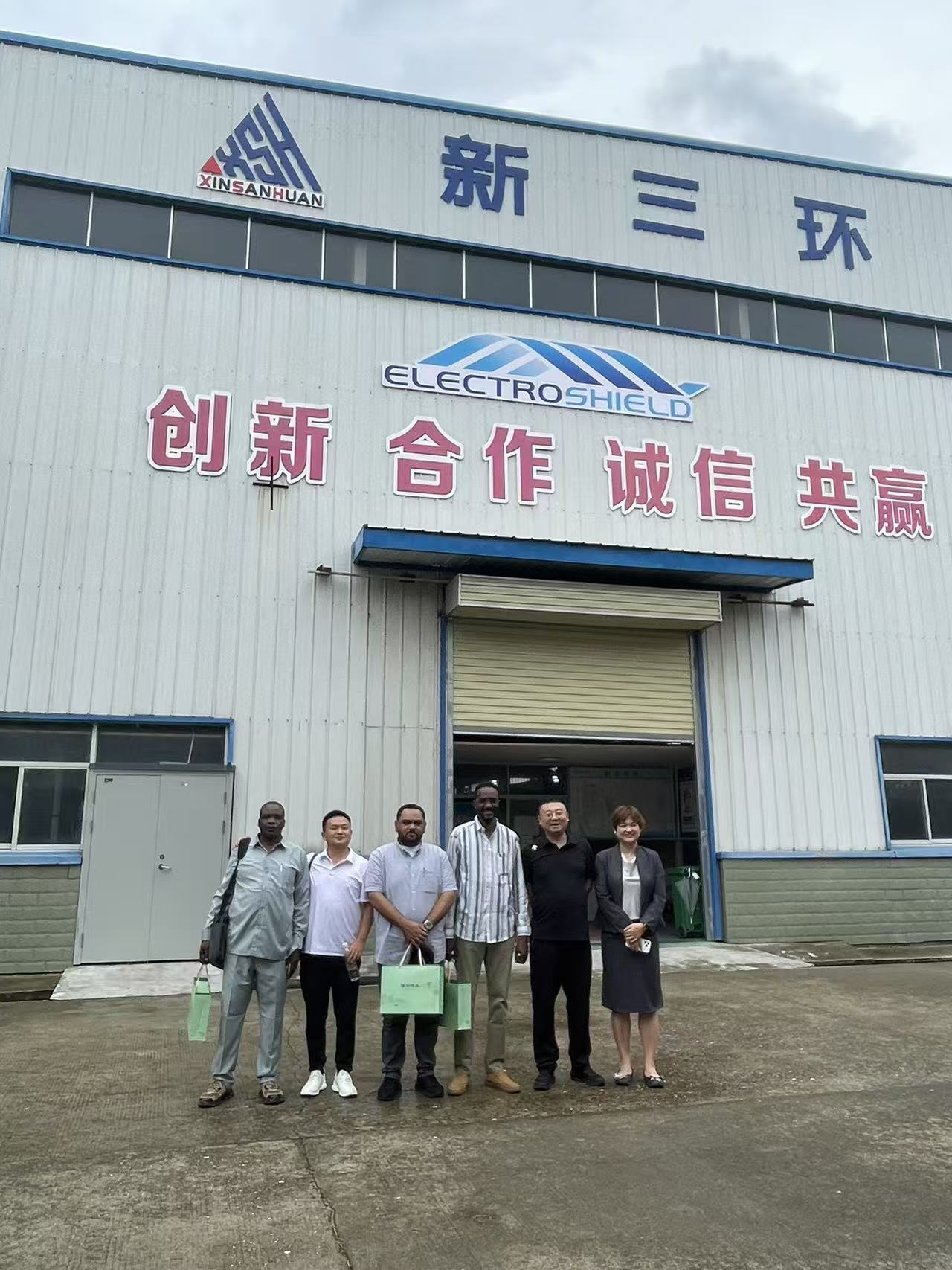
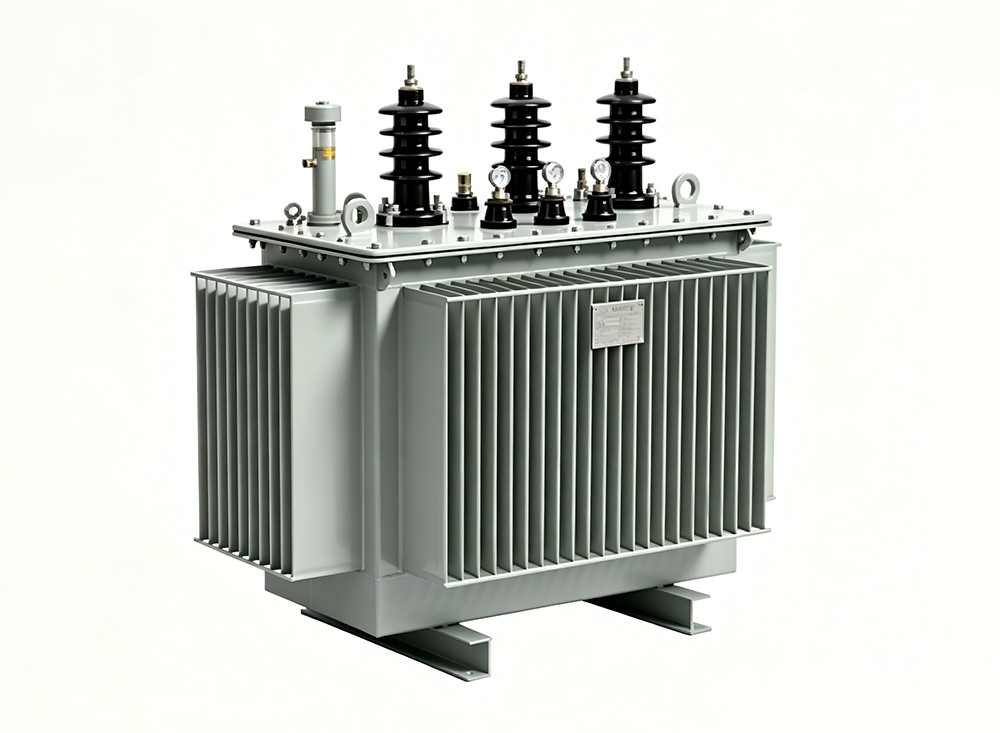
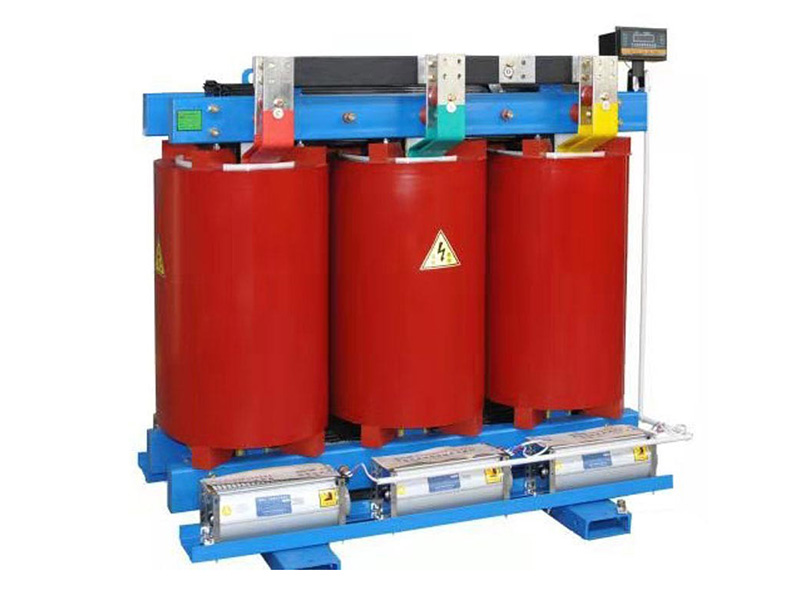
Hanzhong Xinsanhuan Transformer Co., Ltd. manufactures amorphous alloy energy-saving dry-type transformers alongside oil-immersed power transformers up to 220kV, with complete in-house testing covering impulse, temperature rise, and partial discharge. Learn more about our amorphous alloy energy-saving dry type transformer and our full range of cast resin epoxy distribution transformers for distribution networks.
Hanzhong Xinsanhuan: More Power, More Trust—Showing the World the Strength of "Made in Hanzhong"!