
Why Solar Farms Choose PV Integrated Box-Type Substations
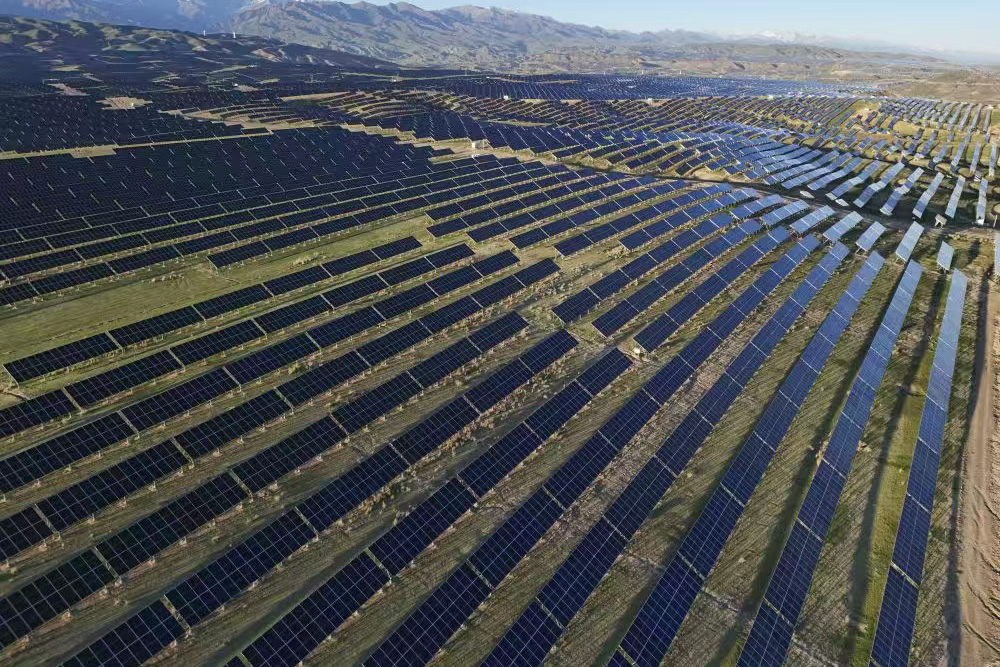
Utility-scale photovoltaic plants face a paradox: the solar field itself is sprawling, but the grid connection point is usually a single, tightly constrained bay. That gap is exactly where the PV integrated box-type substation has become the default choice for EPC contractors. By combining the medium-voltage switchgear, the step-up transformer, and low-voltage distribution into one factory-assembled enclosure, these compact substations compress weeks of on-site electrical work into a plug-and-play installation completed within days.
Why Integration Beats Traditional Build-Up
In a conventional solar substation, transformers, switchgear, protection relays, and cabling are sourced separately and assembled in the field. Every interface is a potential source of commissioning delay — mismatched protection settings, cable termination errors, and weather-dependent construction all add risk to a project schedule that is usually driven by grid-connection deadlines. A prefabricated box-type substation arrives fully wired and tested: the manufacturer completes the high-voltage assembly, secondary wiring, and functional testing in the factory, so on-site work is reduced to foundation preparation, cable connection, and commissioning checks.
- Faster grid connection: factory pre-testing cuts commissioning time by 50–70% compared with field-built substations;
- Smaller footprint: integrated design reduces land use — critical where land lease costs are high;
- Harsh-environment readiness: IP54-rated enclosures with corrosion protection handle desert dust, coastal salt fog, and plateau UV;
- Simplified O&M: one manufacturer, one point of responsibility for the entire medium-voltage bay.
What Buyers Should Verify Before Ordering
Not all box-type substations are equal. Procurement teams should check whether the enclosure thermal design keeps transformer winding temperatures within limits at maximum ambient — a frequent failure point in hot climates — and confirm that the step-up transformer meets the plant's efficiency specification over the full load curve, not just at rated load. Grid-code compliance is equally important: fault ride-through, reactive power capability, and protection coordination with the inverter station must be verified as a system. Finally, ask for the factory test routine — partial discharge, impulse, temperature rise, and functional tests of the complete bay — rather than component-level certificates alone.
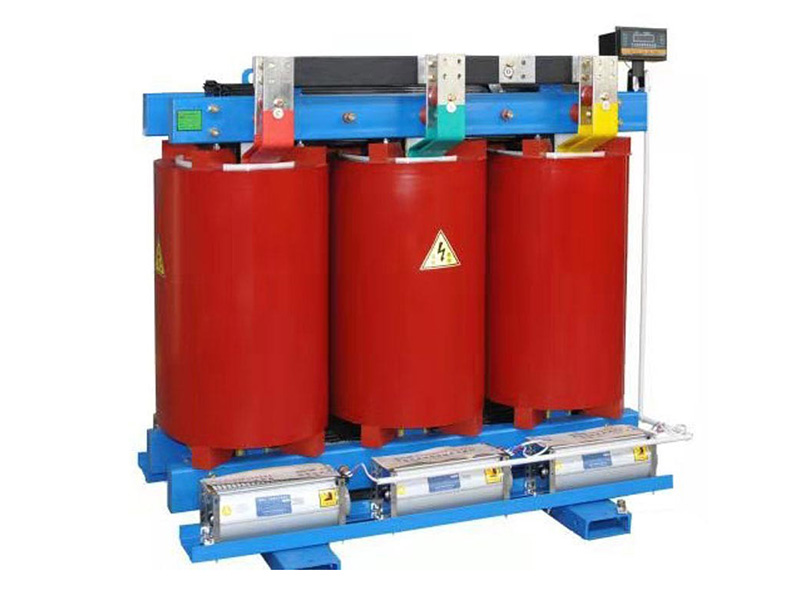
As solar capacity shifts toward higher-voltage collection and larger plant blocks, the box-type substation continues to evolve: 35kV ring-main units, dry-type transformer options for fire-sensitive sites, and integrated monitoring are now common requirements in international tenders.
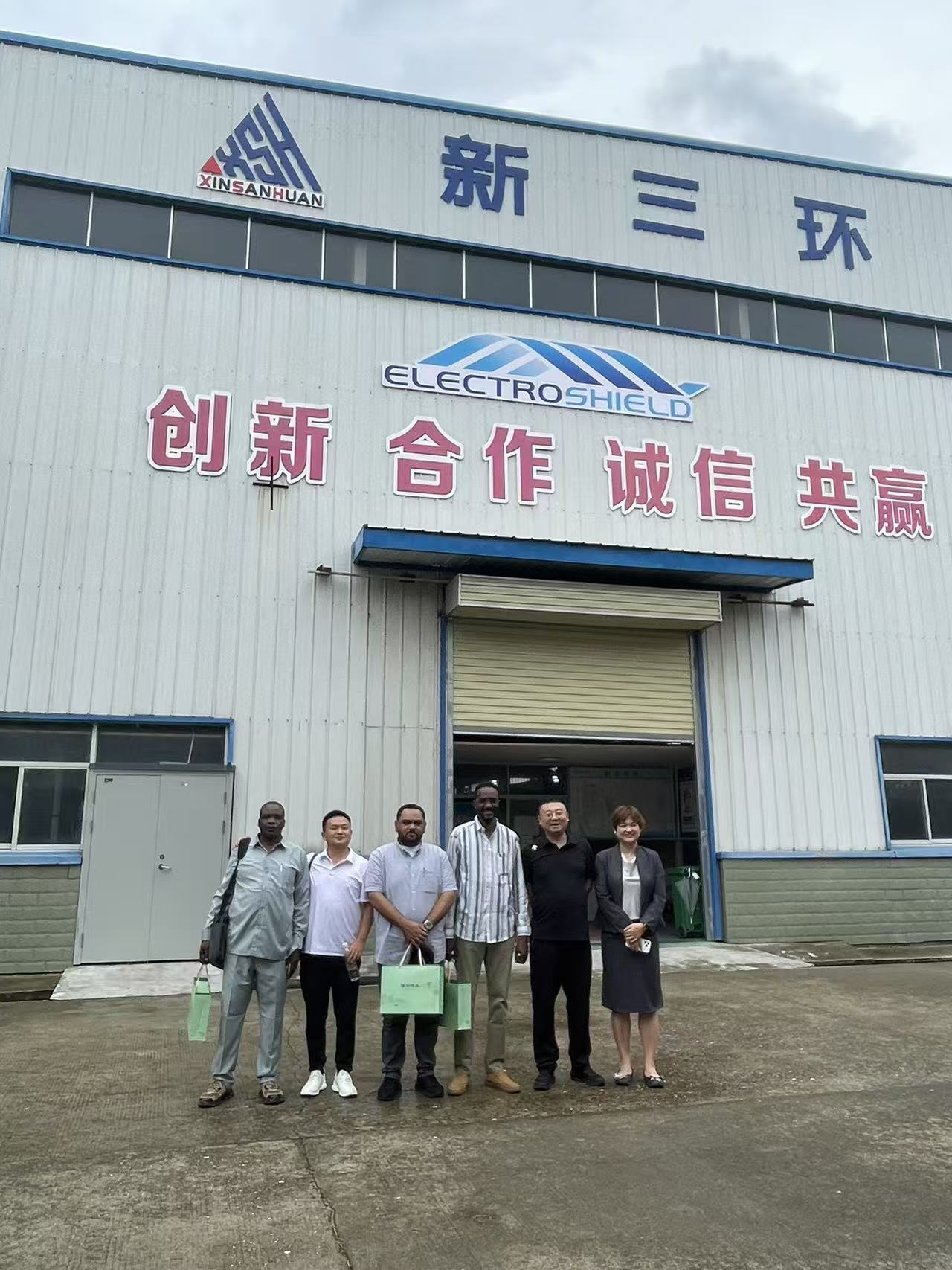
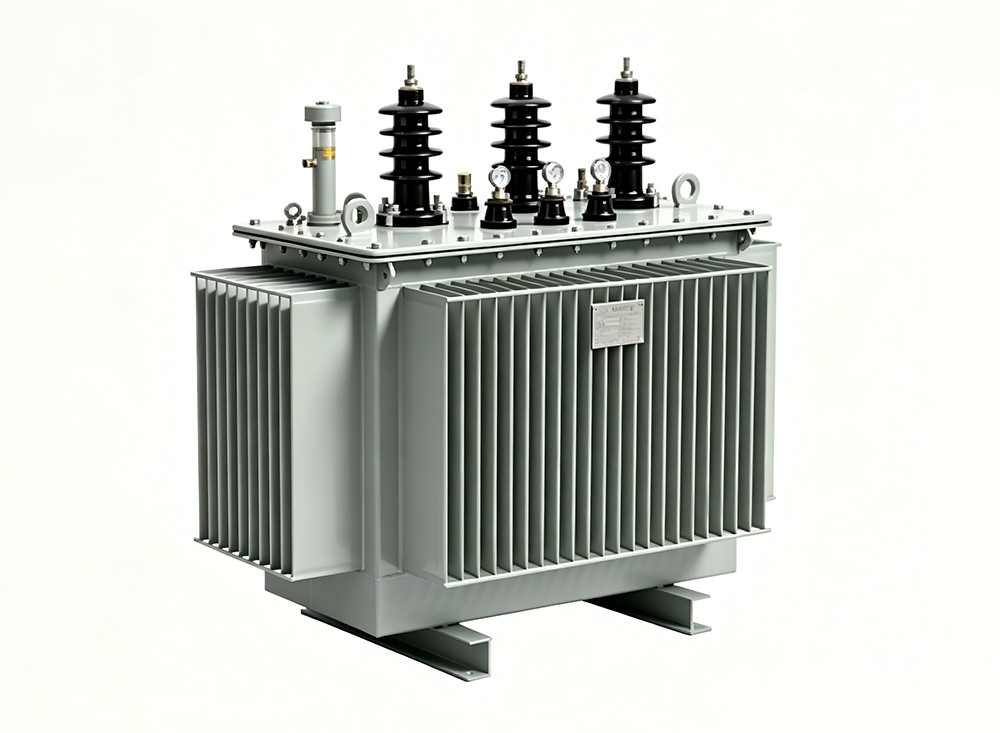
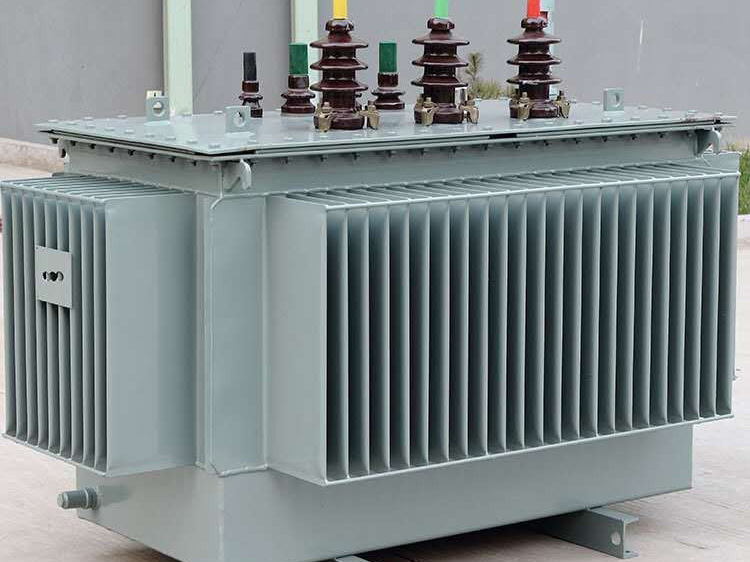
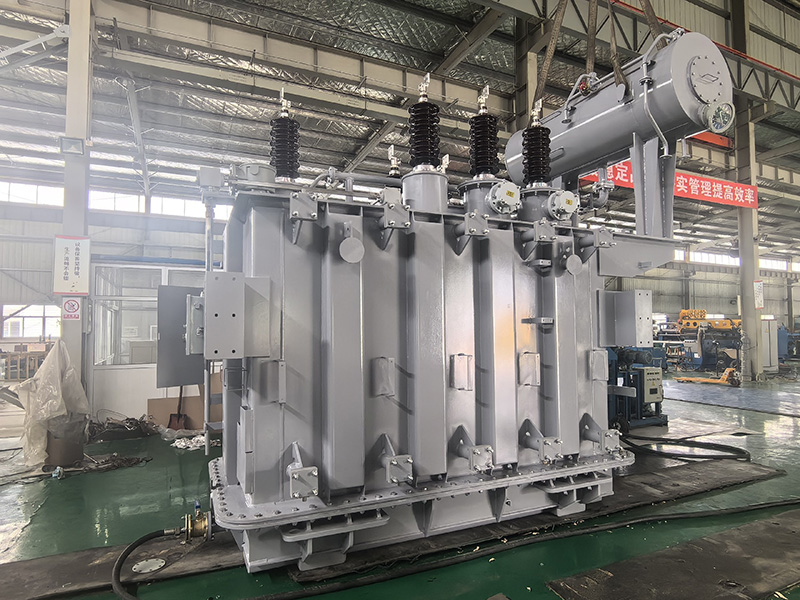
Hanzhong Xinsanhuan Transformer Co., Ltd. supplies the PV integrated box type step up booster substation for utility-scale solar plants, together with the integrated prefabricated compact power substation and wind-power variants, all factory-assembled and type-tested before shipment.
Hanzhong Xinsanhuan: More Power, More Trust—Showing the World the Strength of "Made in Hanzhong"!