Leave Your Message
Engineered to deliver high fault tolerance, superior thermal resilience, and clean power for uninterruptible power supply topologies.
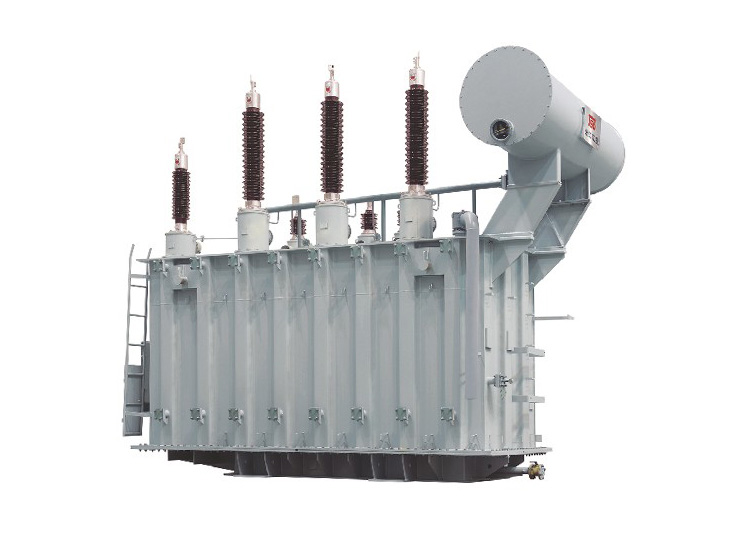
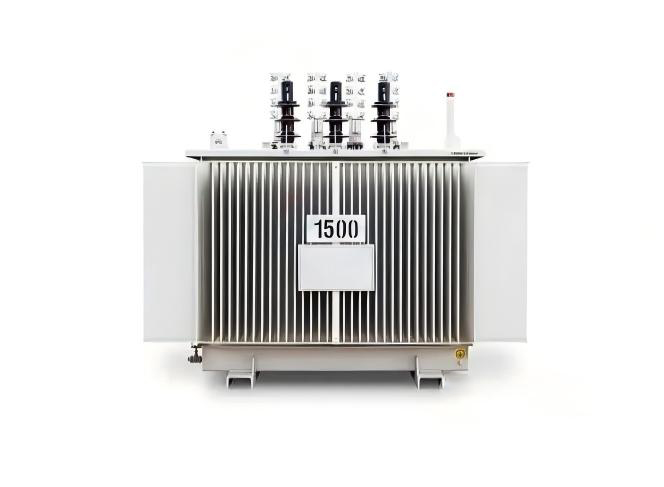
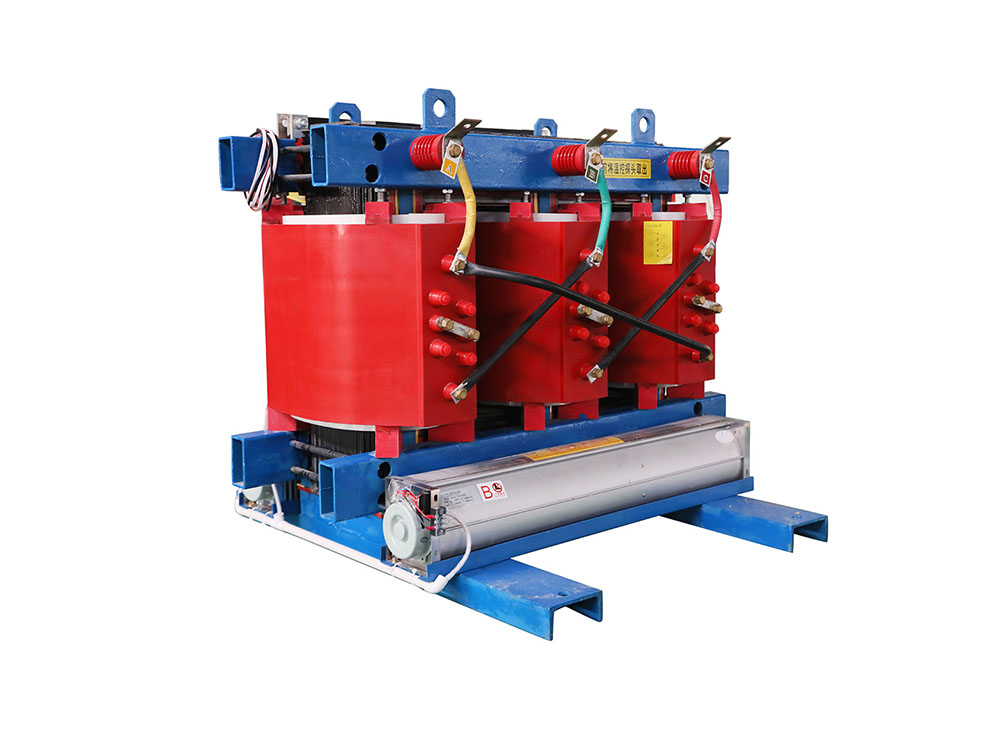
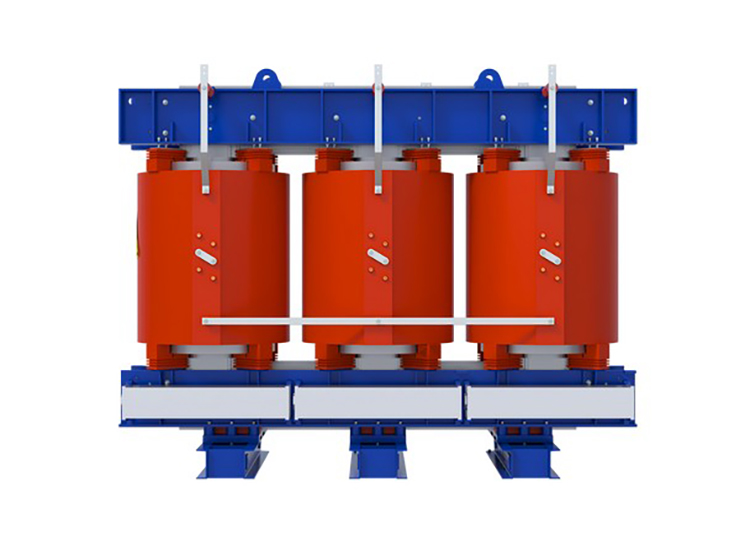
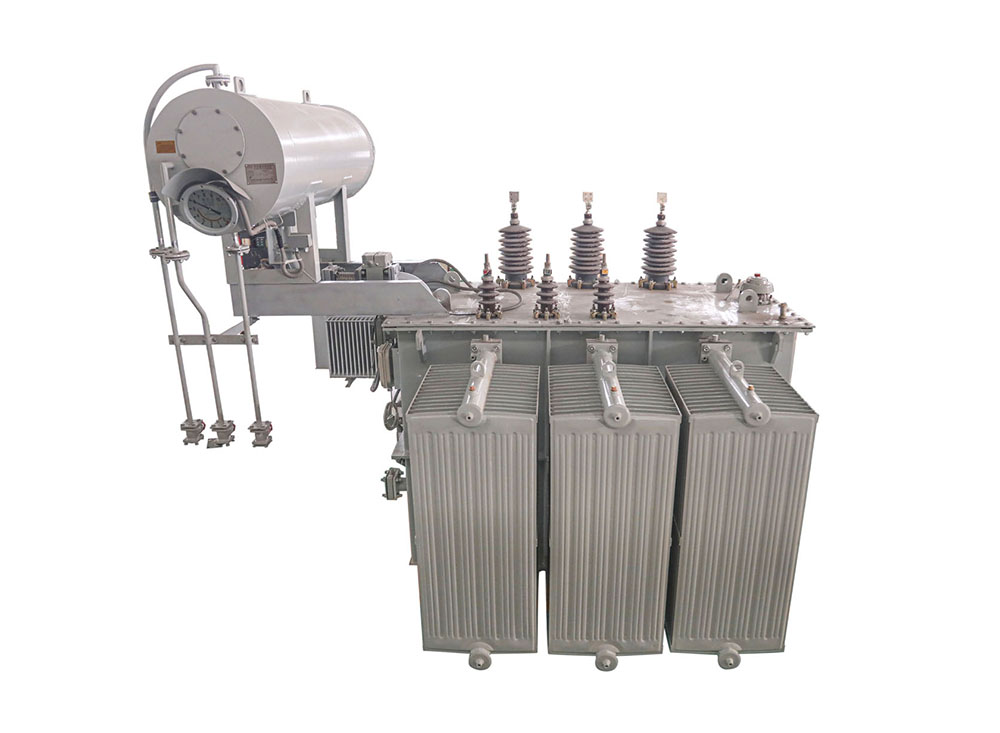
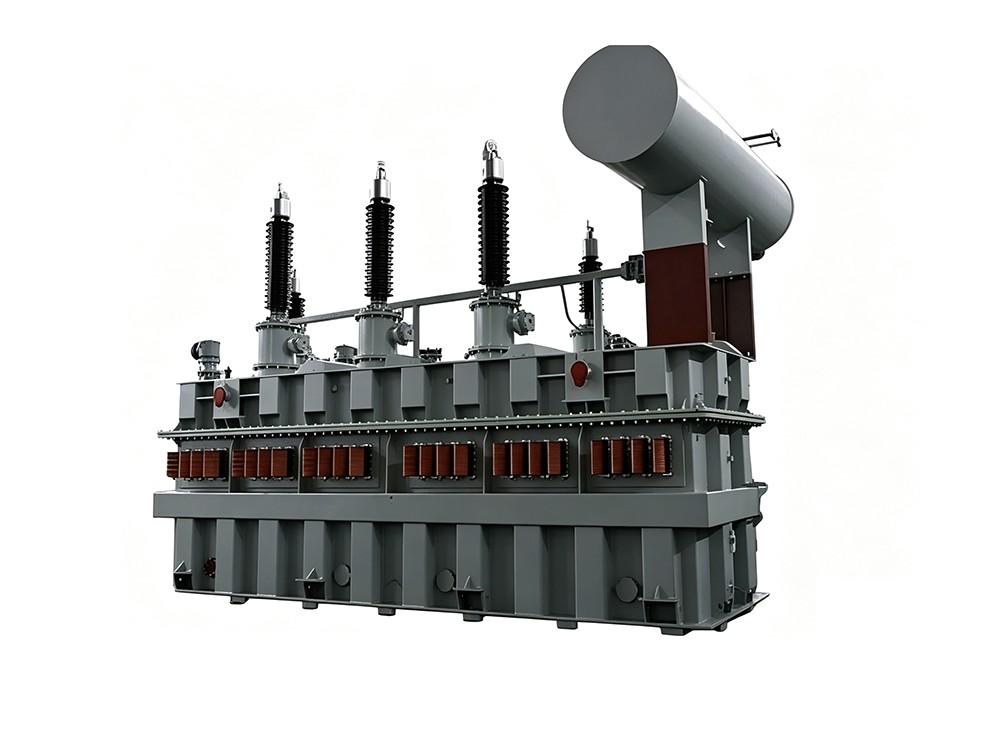
The accelerated expansion of artificial intelligence, high-performance cloud computing (HPC), and enterprise hyperscale facilities has radically transformed power delivery requirements. In contemporary Tier III and Tier IV mission-critical facilities, the Uninterruptible Power Supply (UPS) ecosystem acts as the central vascular system safeguarding continuous IT processing. Within this complex network, the overhead distribution transformer plays an indispensable role by stepping down medium-voltage utility overhead feeds (such as 10kV, 35kV, or 110kV) into precision-regulated distribution voltages (480V/400V/208V) directly upstream of static or rotary UPS units.
Unlike standard commercial building power feeds, overhead distribution transformer installations supporting data center UPS infrastructure operate in severe, non-linear electrical environments characterized by rapid transient step-loads, severe harmonic currents generated by power electronic rectifiers, and strict requirements for five-nines (99.999%) or six-nines operational availability. Whether implemented as pole-mounted overhead transformers on perimeter microgrid feeders, elevated overhead busway-integrated units, or gantry-supported substation step-down distribution nodes, these transformers must deliver exceptional dielectric strength, negligible load-loss profiles, and uncompromising thermal endurance.
Data center uninterruptible power supply systems incorporate Silicon Controlled Rectifiers (SCR), Insulated Gate Bipolar Transistors (IGBT), and switched-mode power supplies (SMPS) that draw non-sinusoidal currents. These currents are heavily laden with 3rd, 5th, 7th, 11th, and 13th order harmonics. When these harmonic currents circulate back into standard distribution transformers, they cause elevated eddy current losses in the copper windings, high stray load losses in the structural tank walls, and localized core saturation, triggering severe overheating and premature insulation failure.
To overcome these failure mechanisms, specialized overhead distribution transformers for UPS applications utilize advanced design features:
Features 200% oversized copper neutral conductors to handle zero-sequence triplen harmonics without neutral conductor overheating or ground potential rise.
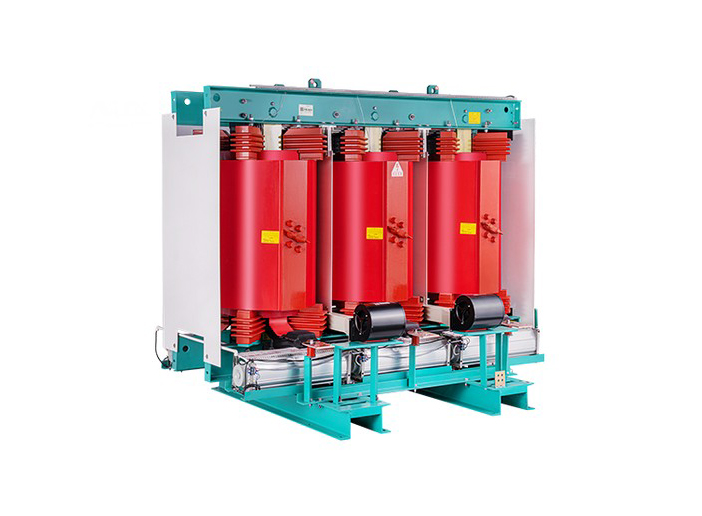
Reinforced axial clamping and epoxy-impregnated coils withstand high mechanical short-circuit forces during sudden generator-to-UPS cutovers and fault cleared cycles.
Engineered with Class H or Class C insulation systems (180°C/220°C) and optimized cooling ducts (ONAN/KNAN/AF) ensuring extended lifespan under elevated ambient temperatures.
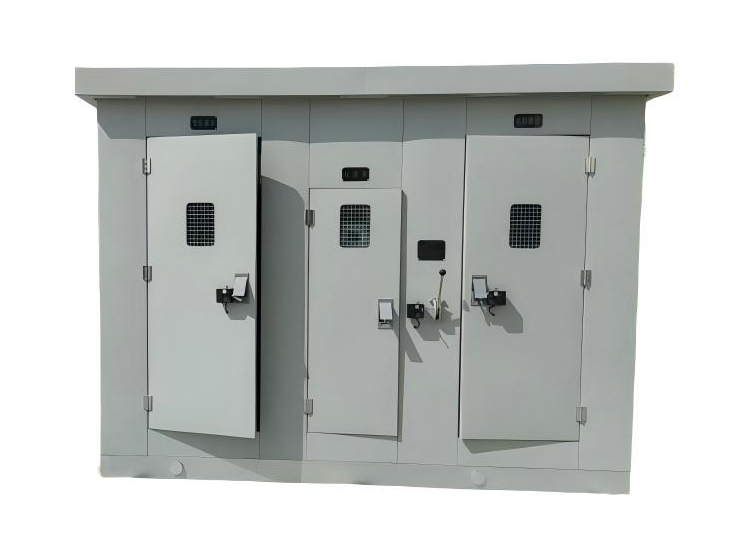
Campus planners and data center electrical consultants continuously evaluate whether to route primary medium-voltage lines via overhead gantry distribution transformers or ground pad-mounted enclosures. In mega-scale multi-building campuses, overhead distribution approaches provide unmatched advantages in cable deployment speed, thermal airflow dissipation, flood immunity, and rapid visual inspection during maintenance cycles.
| Engineering Attribute | Overhead Distribution Transformer Systems | Traditional Pad-Mounted Dry/Oil Units |
|---|---|---|
| Footprint & Real Estate | Zero ground footprint within white space; mounted on gantry/poles or elevated platforms. | Requires substantial dedicated ground footprint, safety clearances, and civil containment pits. |
| Thermal Dissipation | Natural convective cooling in open air; lower derating in high ambient temperatures. | Requires active forced ventilation rooms or HVAC cooling, increasing facility PUE. |
| Flooding & Environmental Ingress | Inherently elevated; safe from ground water infiltration, flash floods, and rodents. | Susceptible to ground-level water inundation, humidity ingress, and containment drainage issues. |
| Maintenance & Visual Diagnosis | Direct aerial and infrared drone thermal imaging; fast inspection of bushings and tap connections. | Enclosed inside locked metal cabinets; requires shut-down or ARC-flash gear for internal visual checks. |
| Harmonic & Step-Load Capacity | Easily scaled with elevated heavy-gauge open overhead busways; lower thermal buildup. | Limited thermal envelope within enclosed spaces; higher susceptibility to thermal hotspots. |
Modern artificial intelligence training clusters require massive burst power, shifting from 20% to 100% compute load in milliseconds. Overhead distribution transformers integrated into 2N or Distributed Redundant (3N/2) UPS switchgear provide the low output impedance necessary to prevent secondary bus voltage sags during sudden GPU server load surges.
In distributed telecom hubs, 5G base stations, and suburban edge colocation sites where physical real estate is constrained, pole-mounted or overhead gantry-mounted distribution transformers step down 10kV utility lines right above the containerized data shelter. This feeds the integrated double-conversion UPS directly without consuming costly indoor server floor space.
Grid instability, phase shifts, and voltage variations from remote utility substations can cause frequent UPS battery cycling, degrading battery health. Outfitting overhead main distribution transformers with intelligent On-Load Tap Changers (OLTC) ensures automatic voltage regulation (within ±1.25% steps), maintaining optimal input voltage to the UPS rectifier without triggering unnecessary battery discharge events.
“Precision transformer engineering is the first line of defense in mission-critical infrastructure. A properly configured overhead distribution transformer insulates the UPS and downstream servers from utility transients while maintaining the lowest possible Total Cost of Ownership (TCO).”
Global data center operators are bound by stringent Power Usage Effectiveness (PUE) metrics and carbon abatement directives such as EU Ecodesign Tier 2 (EN 50588-1), US DOE 2016 (10 CFR Part 431), and IEEE C57 standards. High-efficiency overhead distribution transformers engineered with amorphous alloy cores reduce core losses (no-load loss) by up to 70% compared to conventional silicon steel units. Over a typical 25-year operational lifecycle in a 50MW data center campus, this loss reduction equates to millions of kilowatt-hours saved, directly shrinking facility PUE and supporting corporate net-zero greenhouse gas commitments.
Delivering high-reliability power infrastructure across continents to meet the world's most demanding electrical and climatic requirements.
Today, XINSANHUAN’s products are exported to more than 30 countries and regions worldwide. Its international footprint spans Europe, Central Asia, Southeast Asia, Africa, and Latin America, with successful projects completed in countries such as Russia, Kazakhstan, Uzbekistan, Kyrgyzstan, Ethiopia, Zambia, Tanzania, Mexico, Honduras, and many others. The company’s products are widely recognized for their excellent operational performance, high efficiency, durability, and adaptability to diverse climatic and grid conditions.
Quality excellence and customer satisfaction remain the core values that guide every aspect of XINSANHUAN’s business operations. Through strict quality assurance, reliable delivery schedules, and comprehensive after-sales support, the company has earned the trust and long-term cooperation of customers around the world. Its commitment to providing dependable products and professional services has established a strong reputation within the global power equipment industry.
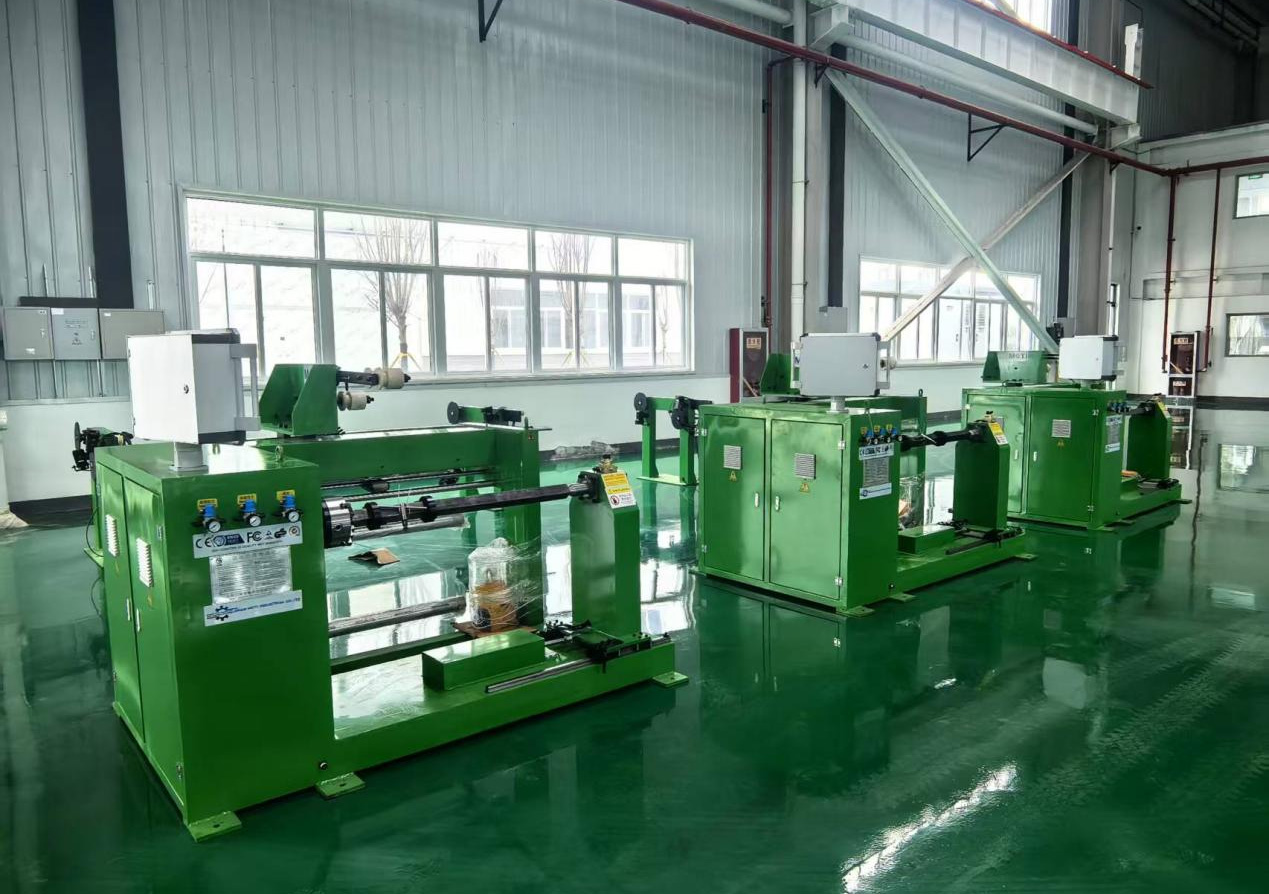
Driving continuous innovation in sustainable, intelligent, and resilient energy delivery systems.
Looking toward the future, Hanzhong Xinsanhuan Transformer Co., Ltd. will continue to uphold its philosophy of integrity, innovation, quality, and customer focus. By leveraging its strong technical expertise, advanced manufacturing capabilities, and global market experience, the company is committed to building long-term partnerships with customers worldwide and contributing to the development of safe, efficient, and sustainable power infrastructure. Together with its partners, XINSANHUAN strives to create greater value and shape a brighter future for the global energy industry.
Browse our complete lineup of high-voltage, medium-voltage, rectifier, and specialty grounding transformers designed for continuous data center and industrial uptime.