
Leave Your Message
Specialized heavy-duty transformer solutions engineered for synchronous grid interconnections, voltage tier coordination, and high-efficiency substation distribution.

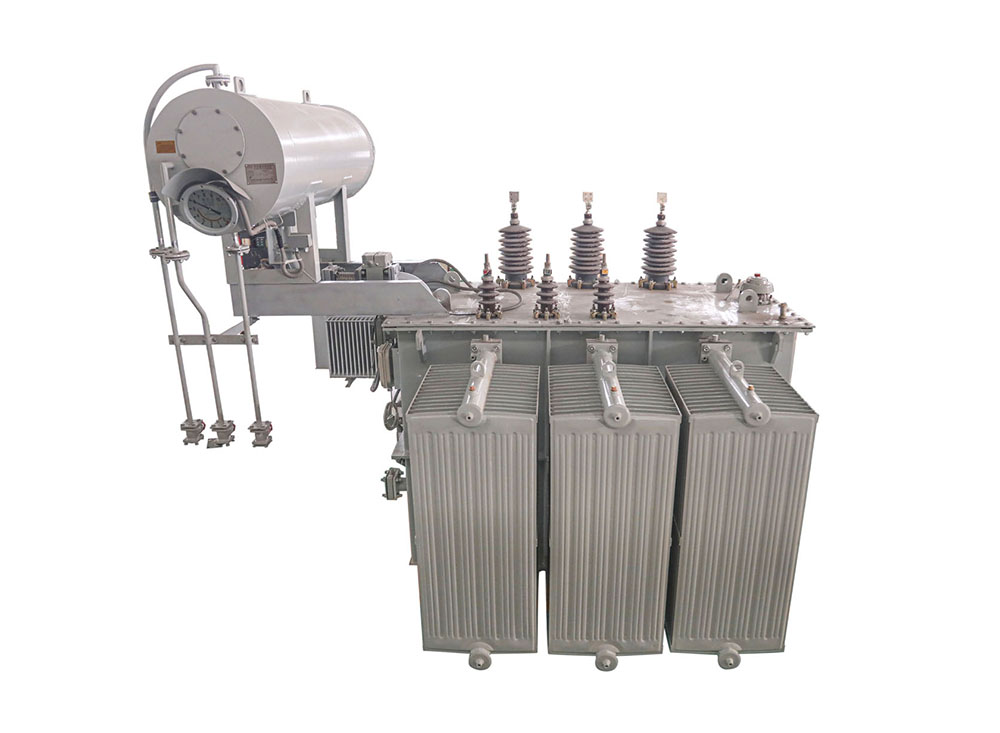
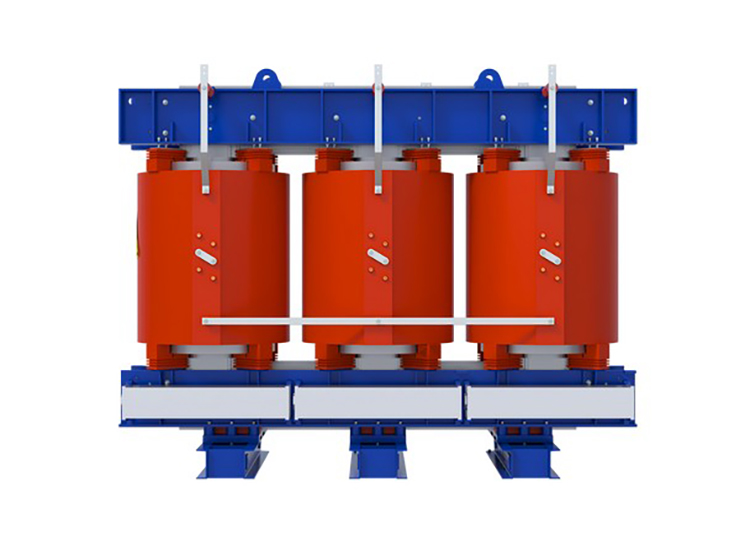
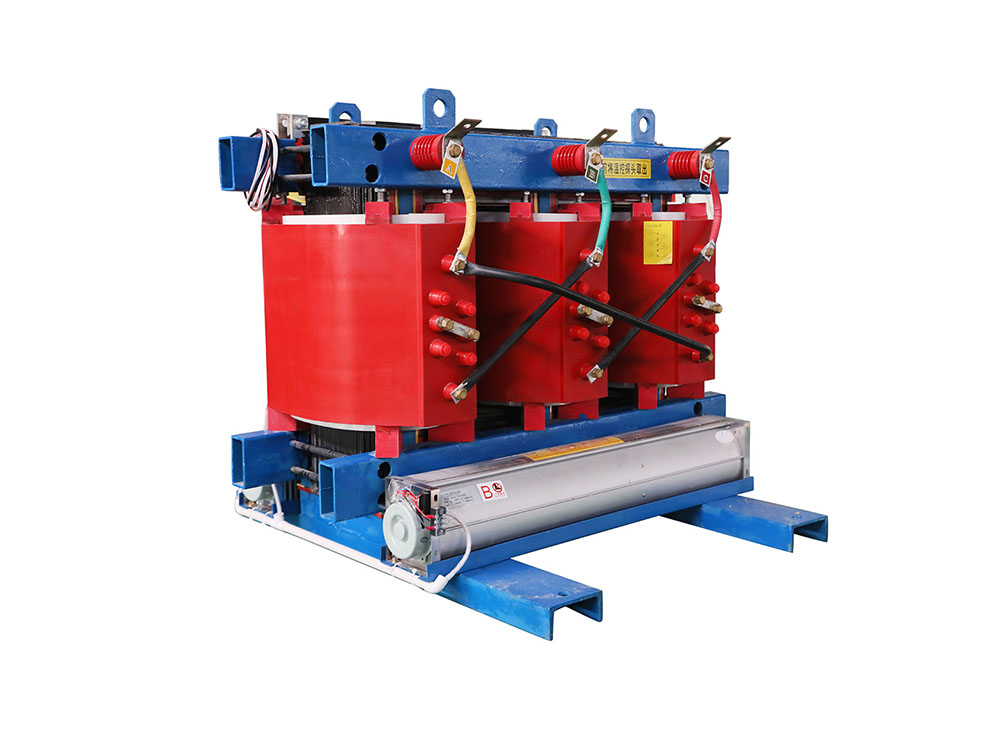
Decoupling active and reactive power dispatch across congested state grid interties, bulk transmission corridors, and distribution nodes.
A Phase Regulating Transformer (also widely designated in electrical power engineering as a Phase Shifting Transformer, PST, or Quadrature Booster) represents one of the most vital active power flow control apparatuses utilized in modern high-voltage transmission and distribution (T&D) substations. In conventional alternating current (AC) networks, power naturally distributes itself according to line impedance characteristics rather than contractual, thermal, or operational capacities. This physical limitation frequently results in overloaded transmission branches, severe unscheduled transit flows (loop flows), and stranded renewable generation assets.
By injecting a voltage component with an adjustable phase shift relative to the system bus voltage, a Phase Regulating Transformer actively controls the phase angle difference (δ) between two connected substations. According to classical AC power transfer formulations:
P = (V1 × V2 / X) × sin(δ + α)
Where V1 and V2 represent the terminal voltages of the transmitting and receiving substations, X constitutes the total equivalent line impedance, δ represents the natural grid phase angle difference, and α designates the regulated phase shift angle injected precisely by the Phase Regulating Transformer. By modulating α, grid dispatchers can force power into underutilized parallel paths or throttle back power on heavily loaded corridors without re-dispatching expensive thermal generation units.
Phase Regulating Transformers can be designed with symmetrical winding topologies (where the output voltage magnitude matches the input voltage while shifting solely the phase angle) or asymmetrical configurations (which alter both voltage magnitude and phase angle simultaneously). Symmetrical PSTs are predominantly deployed across cross-border interconnectors to guarantee clean active power isolation without upsetting substation reactive voltage profiles.
For high-capacity grid interfaces (above 110kV and 220kV classes), PSTs are customarily constructed using a dual-core design comprising an Exciter Transformer (Magnetizing Unit) and a Series Booster Transformer. This separation isolates the On-Load Tap Changer (OLTC) at lower intermediate voltage potentials, drastically minimizing switching stresses, dielectric insulation wear, and mechanical fatigue under continuous cyclic regulation.
Uncontrolled loop flows passing through regional transmission substations induce premature asset aging, excessive $I^2R$ copper losses, and elevated thermal risks. Incorporating phase shifting technology provides continuous dynamic impedance management, enabling state grid dispatch centers to set rigid physical boundaries on inter-regional energy exchanges while maintaining complete system synchronism.
The global electrical power industry is currently navigating an unprecedented structural transformation driven by the aggressive integration of utility-scale renewable energy sources (wind, solar PV, and offshore generation), cross-border electricity market deregulaton, and soaring electrification demands stemming from AI hyperscale data centers, industrial smelting, and electric vehicle fleet infrastructures.
Within this complex operating environment, state grid operators face stringent regulatory mandates to prevent blackout cascades, enhance grid resilience under extreme weather phenomena, and eliminate transmission congestion bottlenecks without spending billions on constructing new overhead rights-of-way (ROW).
Examining four critical deployment environments where Phase Regulating Transformers deliver uncompromised grid security, asset optimization, and economic dispatch efficiency.
In meshed cross-border transmission grids, parallel AC tie-lines rarely share identical physical lengths, conductor sizes, or series reactance. As a result, the electrically shorter path frequently exceeds its thermal limits while parallel lines remain underloaded. Installing high-voltage Phase Regulating Transformers (110kV, 220kV, to 500kV) at terminal substations permits system operators to enforce precise active power limits across individual lines, safeguarding against cascading thermal trips and system-wide blackout propagation during N-1 and N-2 contingency events.
Large-scale wind farms and photovoltaic mega-complexes are characteristically situated in remote geographical areas where local transmission networks were initially constructed for modest rural distribution. Rapid ramp rates and intermittent weather swings create severe localized loop flows that threaten substation step-up transformers. Dedicated phase regulation stabilizes these dynamic inflows, balancing loads between parallel collector circuits and seamlessly coordinating bulk energy transfer into the main state grid transmission backbone.
Metropolitan electrical infrastructures increasingly rely on high-voltage underground cross-linked polyethylene (XLPE) cables to bypass congested above-ground urban rights-of-way. However, high-voltage underground cables exhibit significantly lower series inductance and drastically higher shunt capacitance compared to traditional overhead lines. When operated in parallel, the lower impedance underground cables absorb an excessive share of current, leading to severe thermal stress. Phase Regulating Transformers restore impedance parity, balancing current division between subterranean cables and overhead lines.
Heavy energy-intensive facilities—such as electric arc furnace (EAF) steel mills, semiconductor cleanrooms, chemical electrolysis facilities, and large-scale data centers—exert extreme harmonic distortion, voltage flicker, and phase imbalance on municipal substations. Implementing distribution-class phase shifting transformers at the point of common coupling (PCC) isolates critical upstream state grid assets from severe load-side phase fluctuations, providing islanding ride-through protection and phase equilibrium.
How cutting-edge materials science, solid-state power electronics, and artificial intelligence are revolutionizing Phase Regulating Transformer design.
Traditional mechanical OLTCs require mechanical switching intervals ranging from 3 to 6 seconds, restricting their utility to quasi-steady-state dispatch adjustments. Next-generation PSTs incorporate thyristor and IGBT-assisted hybrid electronic tap changers, shortening switching response times to sub-cycle durations (less than 20 milliseconds) and dramatically extending mechanical contact lifespans past millions of switching operations.
By interfacing Phasor Measurement Units (PMUs) across wide-area monitoring networks with real-time neural network algorithms, smart substations can autonomously predict grid congestion up to 30 minutes in advance. The Phase Regulating Transformer adjusts its phase angle dynamically in predictive micro-steps, eliminating power surges before thermal overcurrent trips can trigger.
Modern state grid substations are shifting toward biodegradable synthetic ester dielectric fluids with high fire points (>300°C) for enhanced environmental safety and explosion mitigation. Concurrently, embedded optical fiber temperature sensors, fiber-optic acoustic partial discharge detectors, and real-time dissolved gas analysis (DGA) digital twins provide comprehensive predictive maintenance telemetry.
When engineering Phase Regulating Transformers for transmission and distribution substations, utility planners evaluate primary technical parameters: Rated Throughput Capacity (50 MVA to 1200+ MVA), System Voltage Class (35kV, 66kV, 110kV, 220kV, 330kV, 500kV), Maximum Phase Shift Angle Range (±10° to ±40° across 17 to 33 distinct tap positions), Short-Circuit Impedance characteristics, and High-Voltage Dielectric Withstand Levels (BIL & SIL) compliant with IEC 60076, IEEE C57.12.00, and State Grid Corporation technical specifications.
Today, XINSANHUAN’s products are exported to more than 30 countries and regions worldwide. Its international footprint spans Europe, Central Asia, Southeast Asia, Africa, and Latin America, with successful projects completed in countries such as Russia, Kazakhstan, Uzbekistan, Kyrgyzstan, Ethiopia, Zambia, Tanzania, Mexico, Honduras, and many others. The company’s products are widely recognized for their excellent operational performance, high efficiency, durability, and adaptability to diverse climatic and grid conditions.
Quality excellence and customer satisfaction remain the core values that guide every aspect of XINSANHUAN’s business operations. Through strict quality assurance, reliable delivery schedules, and comprehensive after-sales support, the company has earned the trust and long-term cooperation of customers around the world. Its commitment to providing dependable products and professional services has established a strong reputation within the global power equipment industry.
Looking toward the future, Hanzhong Xinsanhuan Transformer Co., Ltd. will continue to uphold its philosophy of integrity, innovation, quality, and customer focus. By leveraging its strong technical expertise, advanced manufacturing capabilities, and global market experience, the company is committed to building long-term partnerships with customers worldwide and contributing to the development of safe, efficient, and sustainable power infrastructure. Together with its partners, XINSANHUAN strives to create greater value and shape a brighter future for the global energy industry.
Discover our complete line of high-performance oil-immersed, dry-type, and neutral grounding transformer systems engineered for state grid and heavy industrial substations.
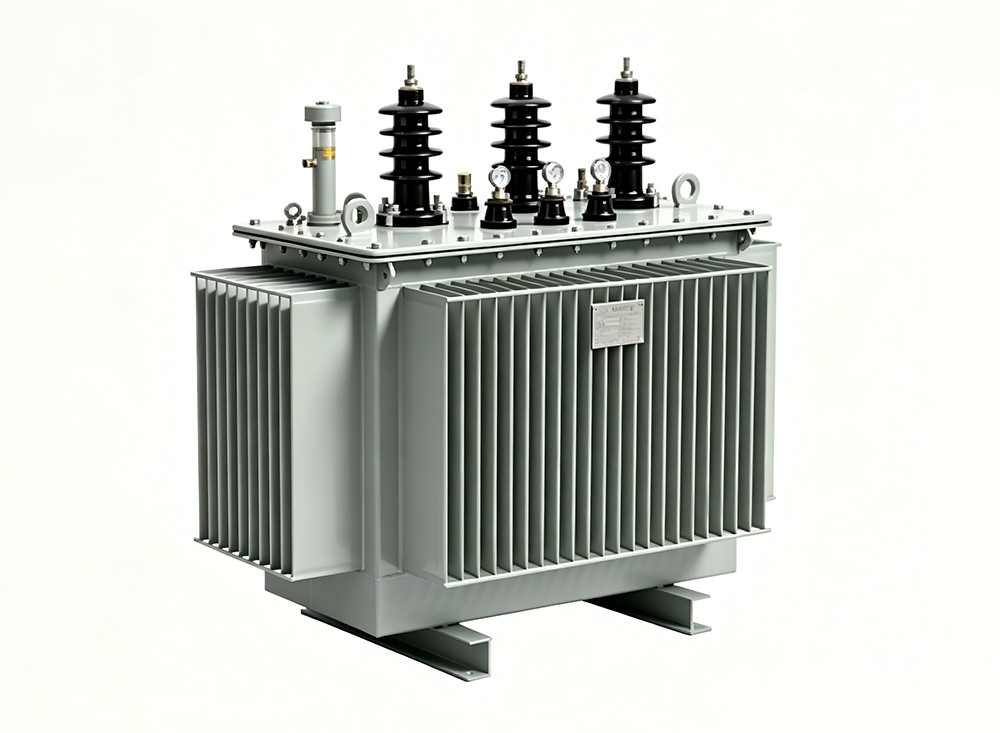
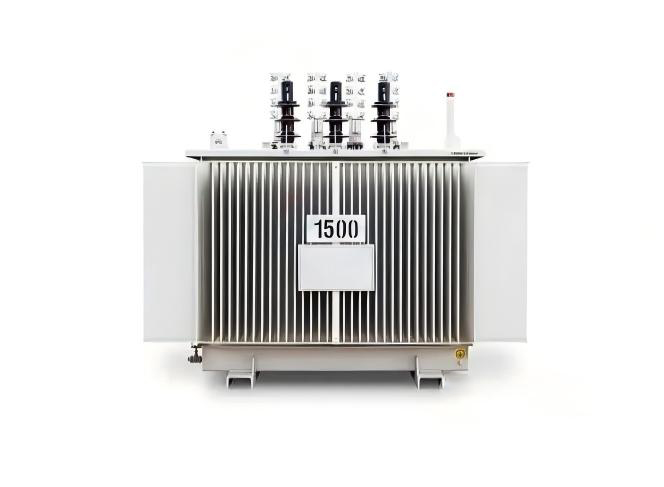
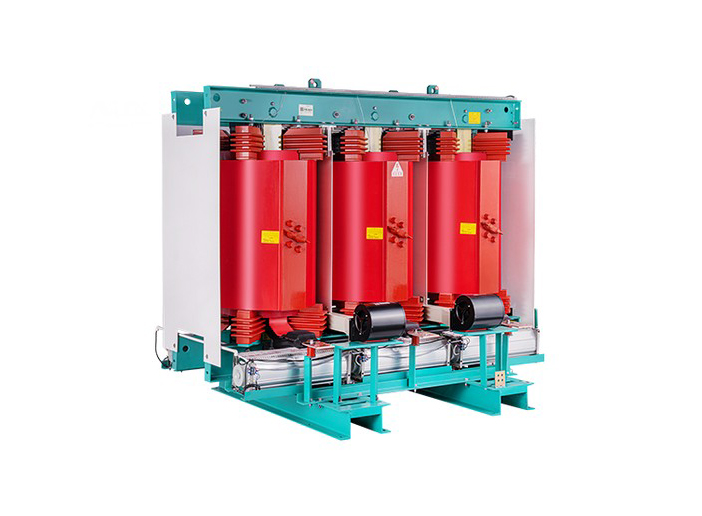
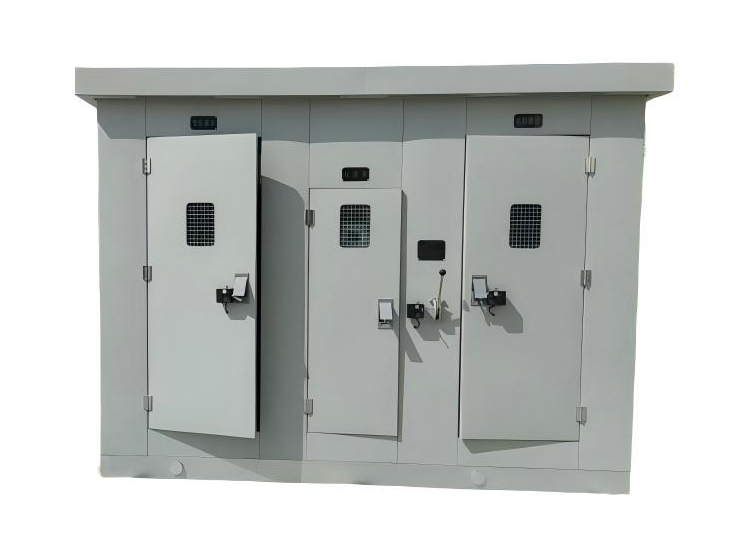
Essential guidance on specifying, deploying, and maintaining Phase Regulating Transformers across high-voltage AC transmission systems.
A standard OLTC power transformer alters the in-phase voltage magnitude (±ΔV) to regulate busbar voltage levels against load variations, operating primarily on reactive power (Q) flows. In contrast, a Phase Regulating Transformer injects a quadrature voltage component (±jΔV) that shifts the phase angle (δ) between terminal nodes. Because active power transfer is directly proportional to the sine of the phase angle difference across the line reactance (sin δ), the PST provides direct, high-precision control over active power (P) flows independently of voltage magnitude.
For moderate voltages and throughput ratings (e.g., up to 110kV and <150 MVA), a single-core, single-tank design is highly economical, compact, and lightweight. However, for high-capacity state grid transmission interfaces (220kV to 500kV and >300 MVA), a two-tank configuration is standard. One tank accommodates the Exciter/Series unit while the second houses the booster regulating winding and the on-load tap changer. This two-tank architecture decouples high line dielectric voltages from the OLTC mechanism, enhances short-circuit withstand capabilities, and permits modular transport within railroad and highway weight limits.
When a sudden line outage occurs in a multi-circuit transmission corridor, the remaining active circuits immediately absorb the diverted load, frequently triggering severe thermal overloads and cascading trip sequences. A Phase Regulating Transformer equipped with fast-response automatic tap changers or solid-state electronic control instantly adjusts the phase angle to choke the overload on the critical remaining branch, safely redistributing surplus energy across auxiliary interconnected distribution networks until system operators restore normal operating conditions.