Leave Your Message
High-performance transmission and distribution units engineered for Brazil's demanding tropicalized climate and heavy duty industrial loads.
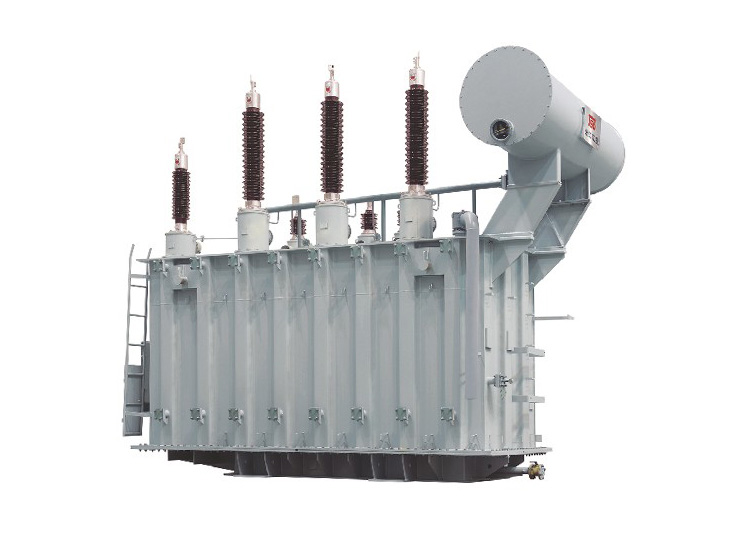
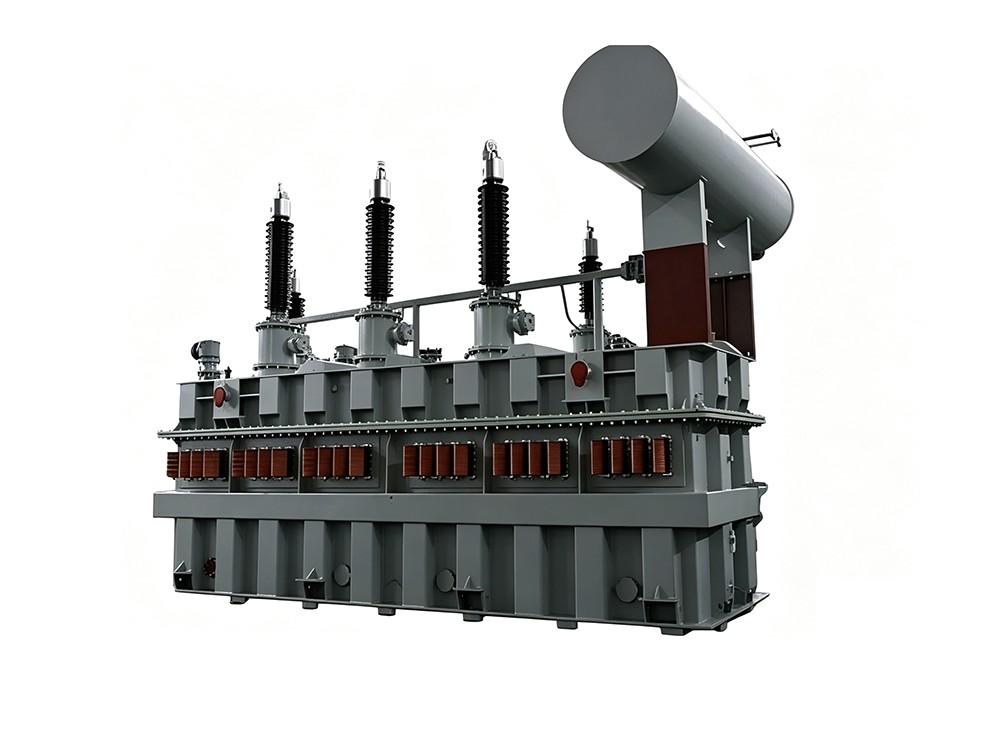
Brazil's National Interconnected System (Sistema Interligado Nacional - SIN), regulated by ONS (Operador Nacional do Sistema Elétrico) and ANEEL (Agência Nacional de Energia Elétrica), constitutes one of the world's most intricate and geographically sprawling transmission networks. With massive hydroelectric facilities situated thousands of kilometers from major consumer centers (such as São Paulo, Rio de Janeiro, and Belo Horizonte) and rapid solar/wind generation expansions throughout the Brazilian Northeast (Bahia, Rio Grande do Norte, and Ceará), grid operators face unprecedented operational bottlenecks. In this high-stress electrical topology, Phase Shifting Transformers (PSTs)—also known colloquially as quadrature booster transformers—alongside advanced heavy-duty power transformers have emerged as vital infrastructure assets.
In interconnected networks like Brazil's 230kV and 500kV grids, electricity naturally follows the path of least physical impedance rather than economic dispatch capacity. PST transformers inject a phase-shifted voltage that modifies the effective power angle, preventing inadvertent loop flows and redirecting bulk power across underutilized transmission lines.
Thermal overloads on critical lines running between the North/Northeast export corridors and Southeast load centers create severe contingency risks (N-1 criteria). PST installations allow utilities like Eletrobras, CPFL, and Neoenergia to dial in precise power wheeling parameters without costly line reconductoring.
Building cross-state transmission right-of-ways across Brazilian biomes entails prolonged IBAMA environmental licensing and capital expenditures exceeding billions of Reais. Strategically placing PST units optimizes asset utilization on existing transmission corridors, saving up to 65% in immediate grid upgrade expenses.
Evaluating initial procurement expenditure against Total Cost of Ownership (TCO) in the Brazilian regulatory and taxation environment.
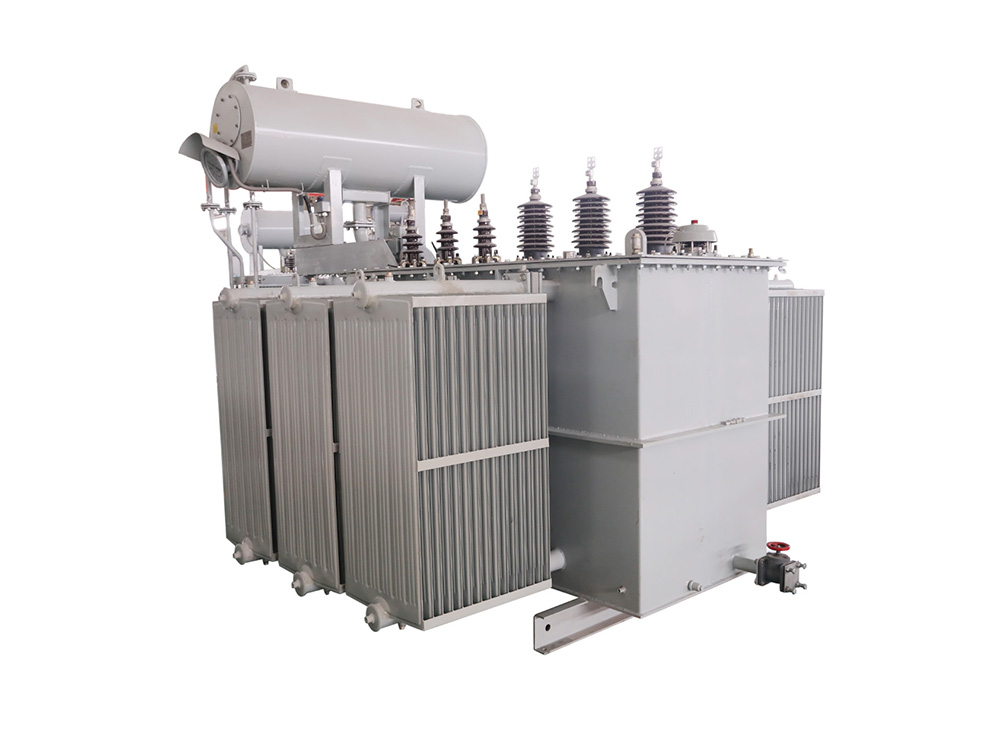
When evaluating Pst Transformer price for Brazil, EPC contractors and power utilities must account for unique pricing layers including complex electromechanical design, Brazilian import tariffs (Imposto de Importação - II, IPI, PIS/COFINS, and state-level ICMS), international maritime logistics to ports like Santos, Paranaguá, or Suape, and inland heavy haulage logistics. Below is an engineering estimate and price bracket guide for industrial and utility-grade units destined for the Brazilian market:
| Equipment Type & Rating | Phase Angle Regulation Range | Estimated FOB Price (USD) | Estimated Landed DDP Brazil (USD)* | Typical Brazilian Application Sector |
|---|---|---|---|---|
| 35kV - 69kV Industrial PST / Special Regulating Unit (25-40 MVA) | ±10° to ±15° under OLTC | $380,000 – $650,000 | $540,000 – $920,000 | Mining extraction, arc furnace hubs, heavy steel complexes (Minas Gerais, Espírito Santo) |
| 110kV - 138kV Substation Phase Shifter (60-120 MVA) | ±15° to ±25° continuous | $1,100,000 – $1,850,000 | $1,550,000 – $2,580,000 | Regional distribution loop stabilization (CPFL, Enel SP, CEMIG networks) |
| 230kV Utility Bulk Power Flow PST (150-250 MVA) | ±20° to ±35° symmetrical | $2,200,000 – $3,600,000 | $3,100,000 – $4,950,000 | Renewable integration corridors, inter-utility tie-line wheeling control |
| 35kV Regional Grid Copper-Wound Unit (10-30 MVA) | Standard Step-Down (No Shift) | $140,000 – $290,000 | $205,000 – $415,000 | Bioenergy sugar-cane mills (São Paulo, Goiás, Mato Grosso), distributed solar clusters |
| Industrial Rectifier Transformer ZSG/ZHS (5-20 MVA) | Multi-pulse phase displacement (6/12/24) | $180,000 – $420,000 | $260,000 – $590,000 | Chemical chlor-alkali plants, aluminum reduction, electrolysis facilities |
*Note: Landed DDP costs include maritime freight, Brazilian national import duty regimes (Ex-Tarifário exemptions where applicable), localized homologation documentation, and inland specialized flatbed convoy transport.
In Brazil, purchasing power equipment without direct domestic equivalents can leverage the federal Ex-Tarifário regime. This program temporarily reduces the Import Tax (II) from standard rates of 14%-16% down to 0%-2%, offering substantial financial relief for high-tier capital assets like custom phase shifting transformers, neutral earthing combinations, and specialized dry-type substations.
By partnering directly with world-class certified Chinese manufacturers such as Hanzhong Xinsanhuan Transformer Co., Ltd., Brazilian EPC contractors capture cost efficiencies of 25% to 40% compared to traditional North American and Western European OEM conglomerates, without conceding engineering rigor or longevity.
Tailoring transformer designs to the geographical, environmental, and operational realities of Brazil's major commercial hubs.
The iron ore corridors of Vale in Minas Gerais and the Carajás Complex in Pará operate enormous ball mills, conveyor lines, and electric locomotives. Phase regulation and anti-short circuit oil-immersed main transformers protect internal substation loops from intense inductive voltage dips and sudden harmonic loads.
Brazil's Northeast interior (Bahia, Piauí, Rio Grande do Norte) generates vast renewable clean power. Interconnecting distributed photovoltaic farms to the 138kV/230kV transmission grid demands low-loss step-up distribution transformers and earthing devices capable of withstanding extreme thermal cycles and arid dust conditions.
Sugar cane processing mills in São Paulo, Mato Grosso do Sul, and Paraná export surplus power from bagasse cogeneration during harvest seasons. Our copper-wound distribution transformers and neutral grounding resistors provide solid synchronizing support when feeding local co-gen power onto concessionaire lines.
Hanzhong Xinsanhuan Transformer Co., Ltd. is a professional transformer manufacturer located in Hanzhong City, Shaanxi Province, China—a renowned historical and cultural city known for its strategic geographical location at the heart of the country. Since its establishment, the company has been dedicated to the research, development, design, manufacturing, and service of high-quality power transmission and distribution equipment, providing reliable solutions to customers across domestic and international markets.
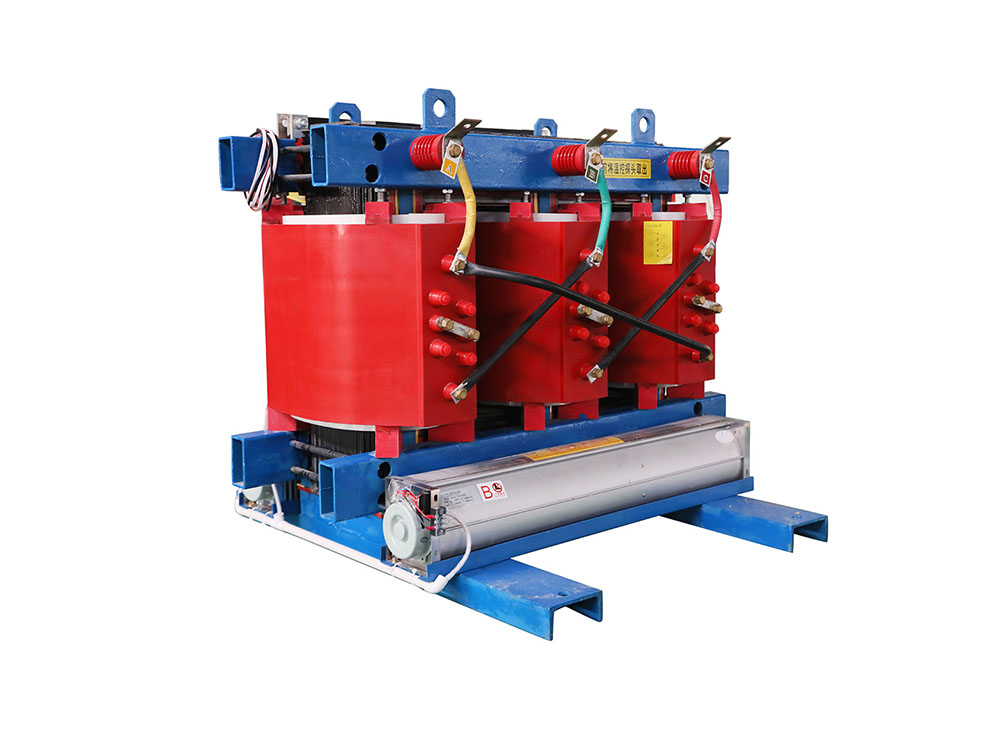
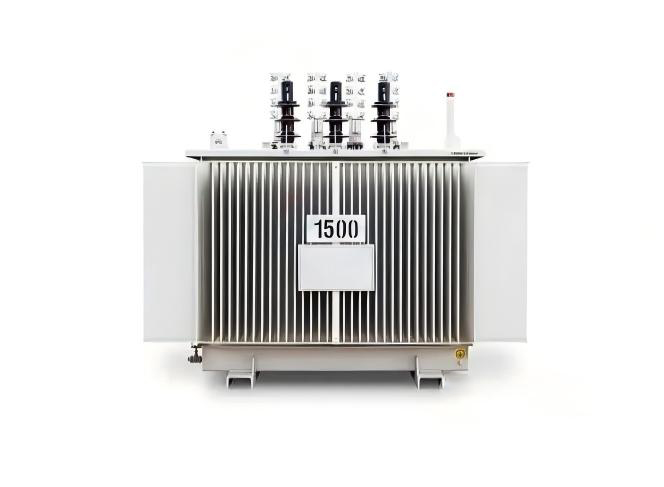
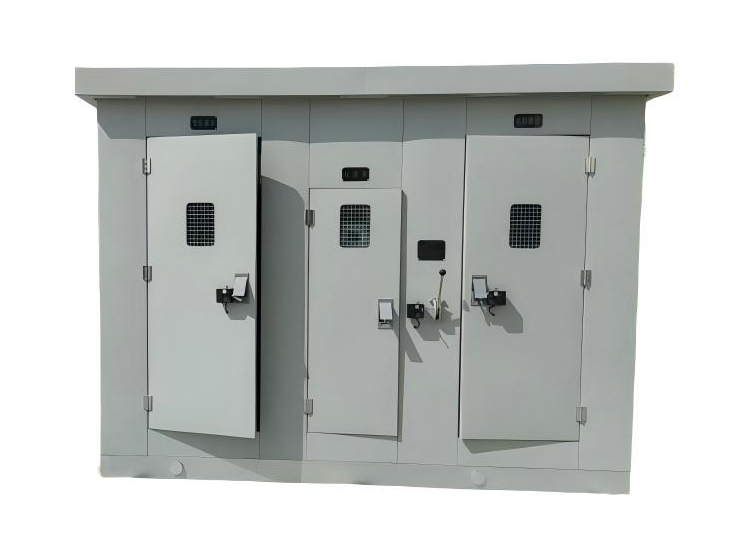
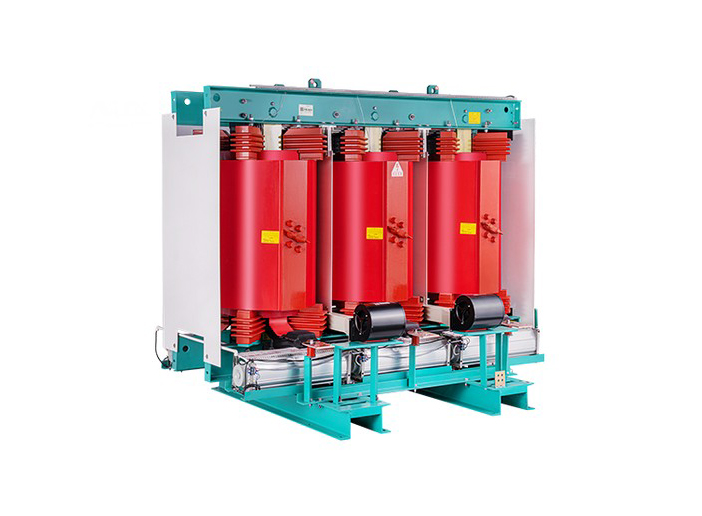
The company specializes in the production of power transformers up to 110kV, rectifier transformers, amorphous alloy transformers, oil-immersed distribution transformers, dry-type transformers, compact prefabricated substations, and other customized transformer solutions. With years of industry experience and continuous technological innovation, XINSANHUAN has developed a comprehensive product portfolio capable of meeting the diverse requirements of power utilities, industrial facilities, renewable energy projects, infrastructure developments, and commercial applications.
Engineered specifically with high-durability Class A and Class H insulation materials, low temperature rise coefficients, and optional hermetic sealing, these units are ideally matched to the challenging environments of Brazil, ranging from the humid equatorial North to the demanding industrialized Southeast.
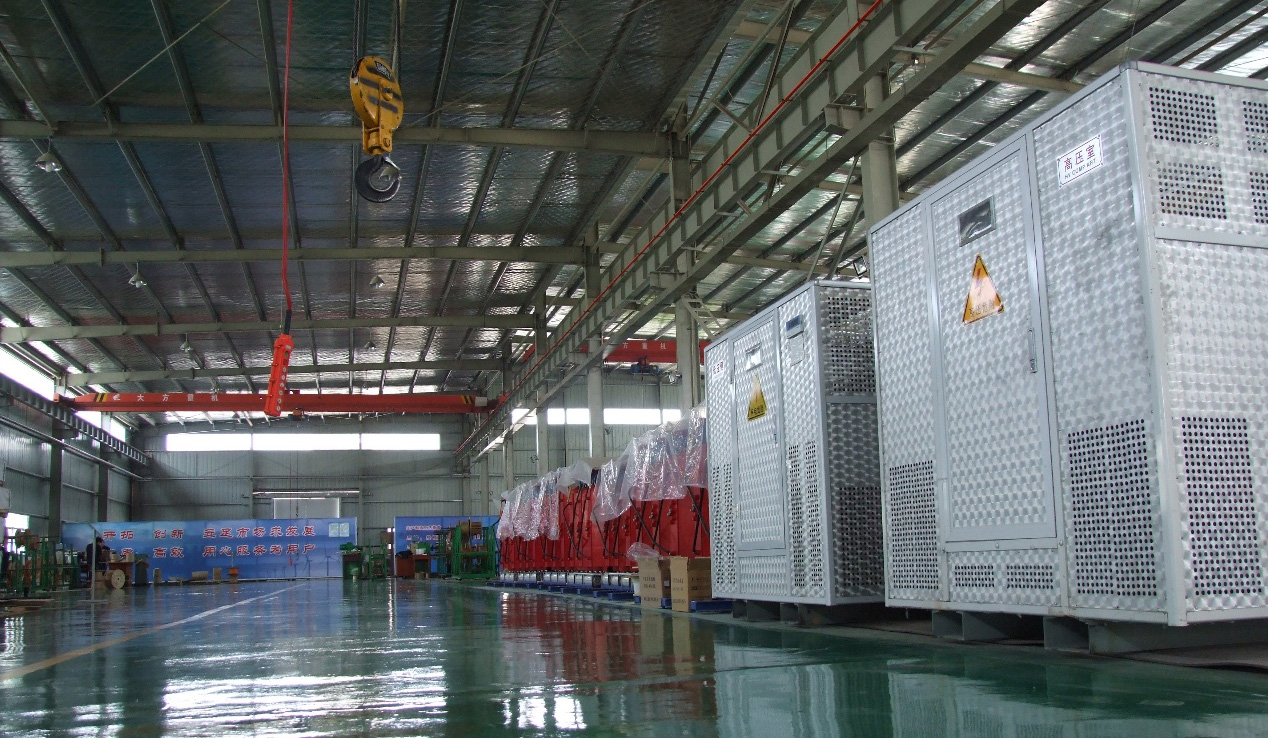
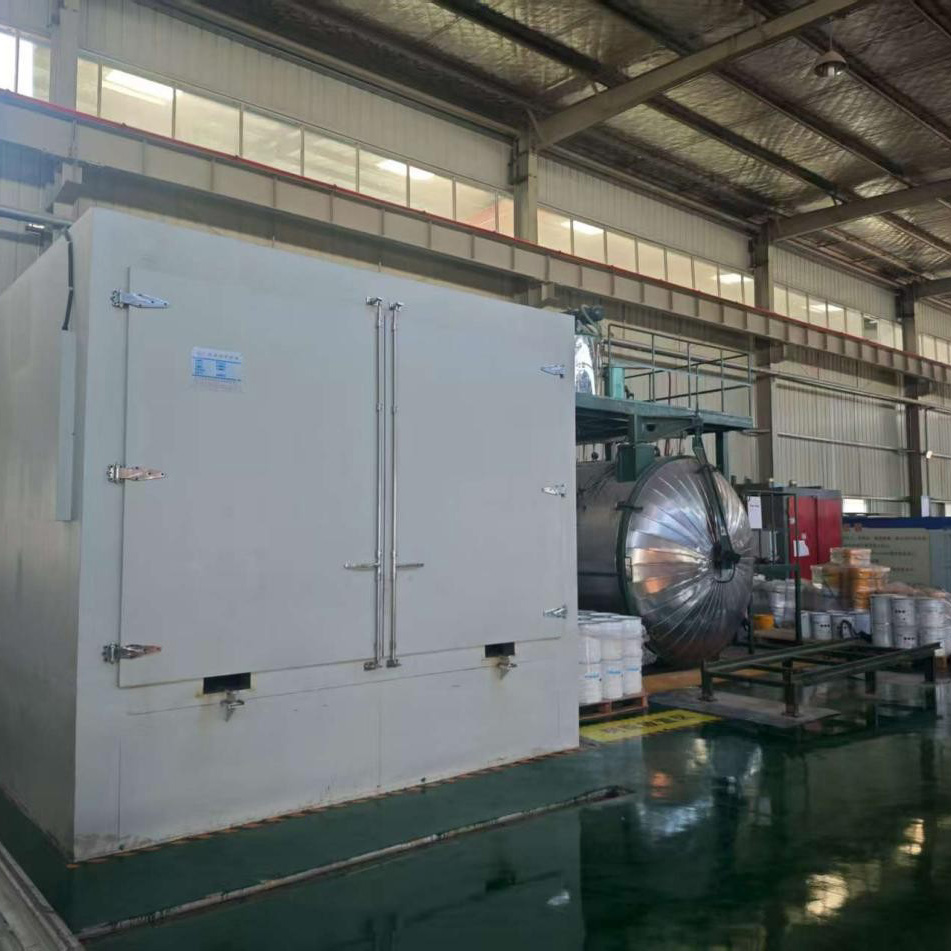
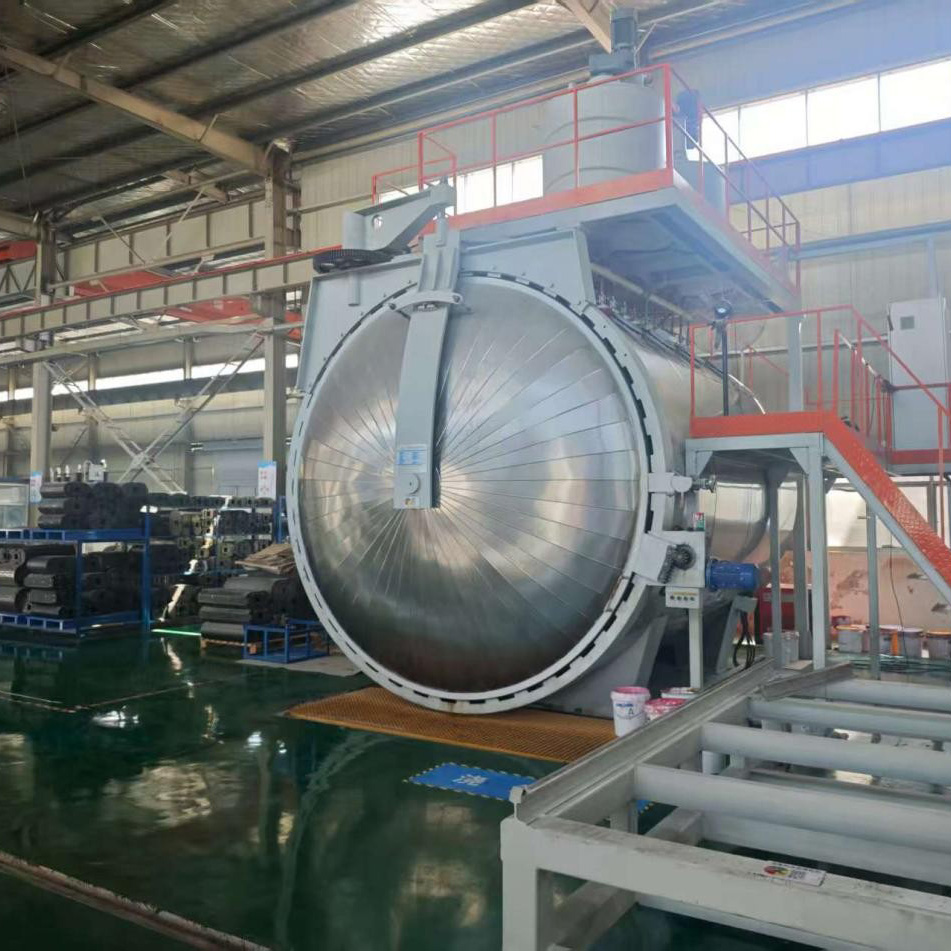
To ensure the highest standards of product quality and performance, the company has invested heavily in advanced manufacturing equipment, modern production lines, and comprehensive testing facilities. Supported by a highly qualified engineering and technical team, XINSANHUAN maintains strict quality control throughout every stage of production, from design and raw material procurement to manufacturing, testing, and final delivery. The company’s robust research and development capabilities enable it to continuously improve product efficiency, reliability, and environmental performance in response to evolving market demands.
Every transformer manufactured undergoes exhaustive routine, type, and special tests—including lightning impulse tests, partial discharge measurements, acoustic noise testing, and short-circuit withstand assessments conforming to IEC 60076 and Brazilian ABNT NBR 5356 norms prior to maritime export.
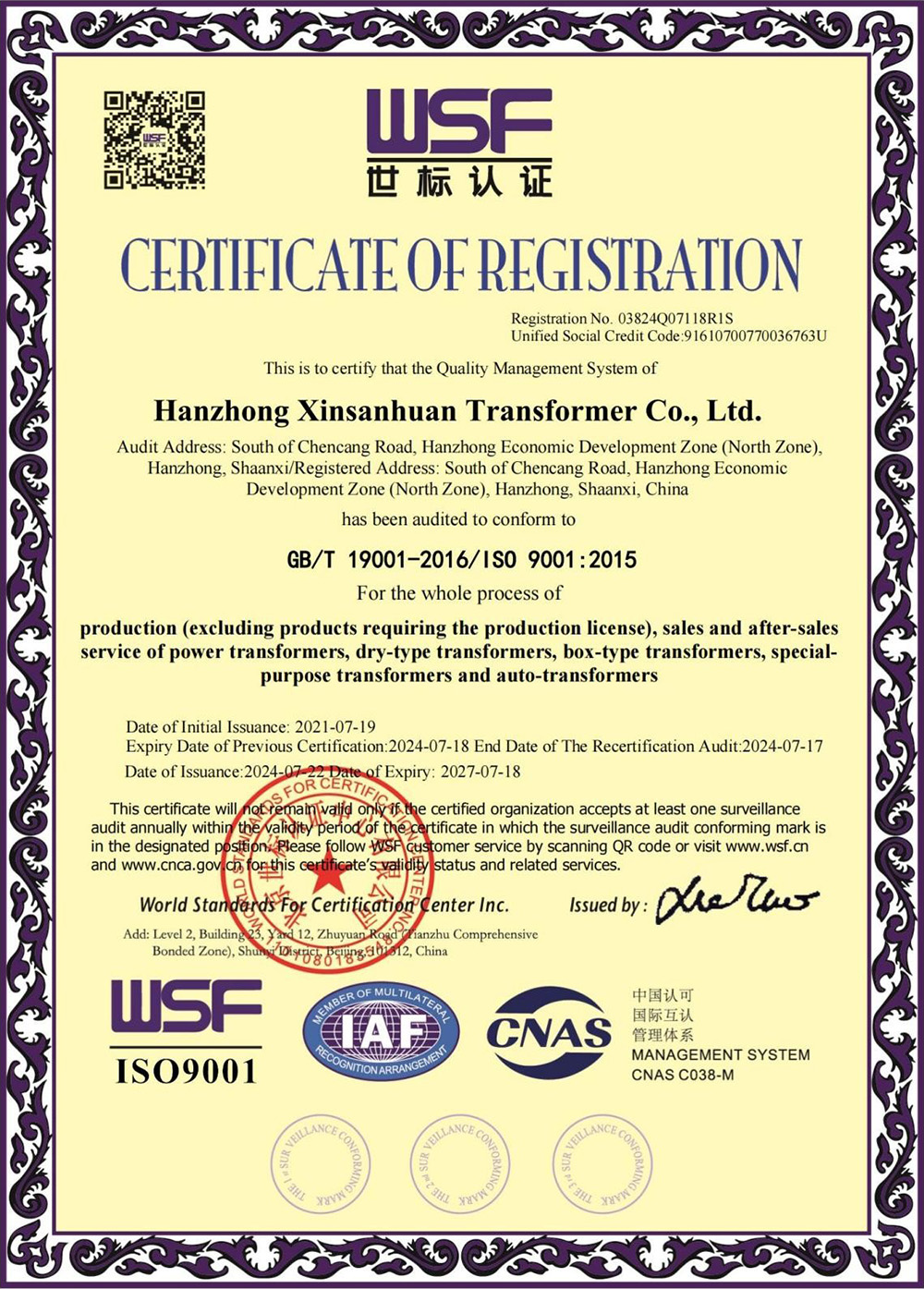
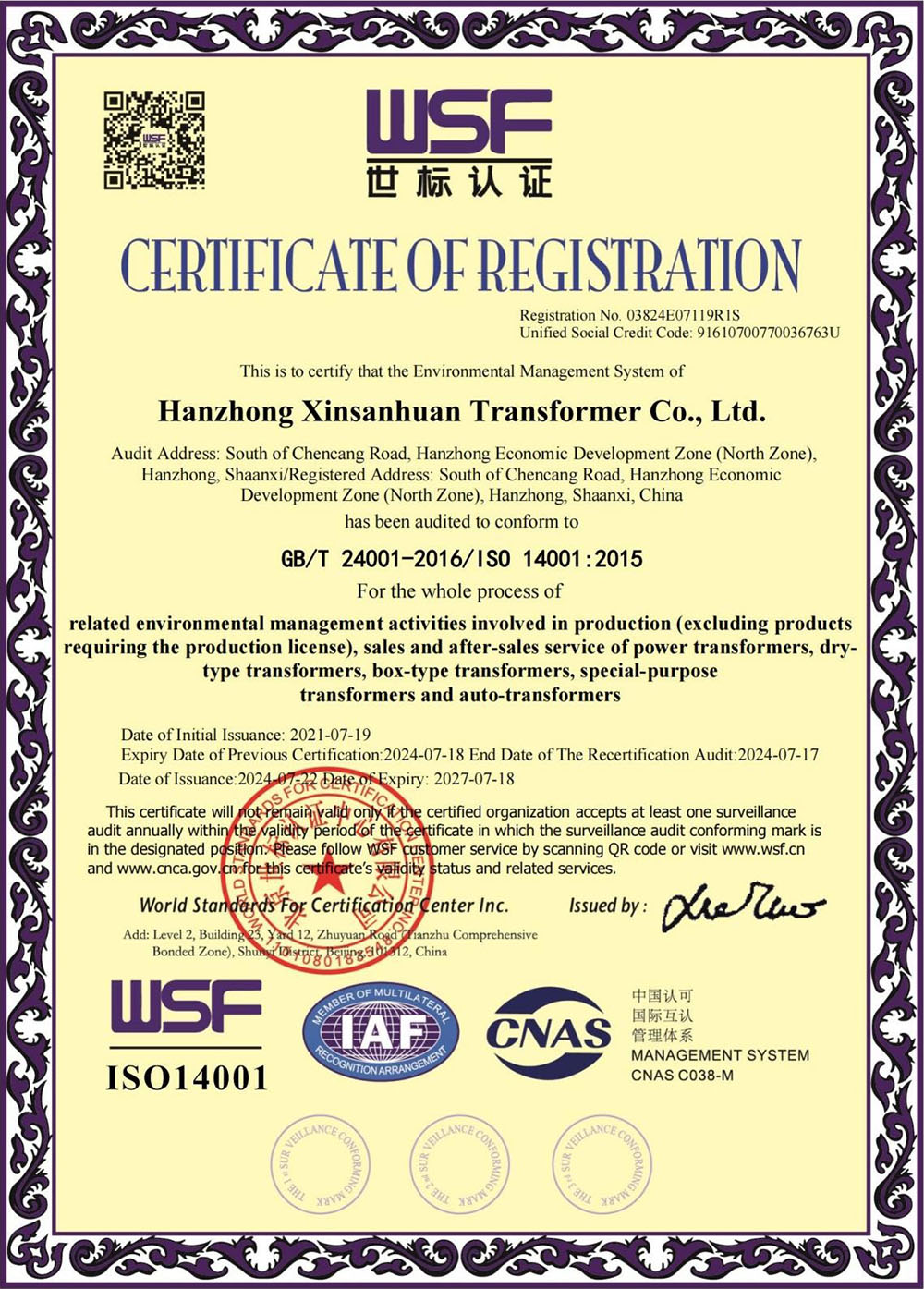
Since 2006, Hanzhong Xinsanhuan Transformer Co., Ltd. has established a comprehensive management system and obtained a series of internationally recognized certifications, including ISO 9001 Quality Management System Certification, ISO 14001 Environmental Management System Certification, and ISO 45001 Occupational Health and Safety Management System Certification. The company has also received Energy-Saving Product Certification and has been honored with the title of Green Factory, reflecting its commitment to sustainable manufacturing practices and environmental responsibility.
As a recognized High-Tech Enterprise, XINSANHUAN places strong emphasis on technological advancement and intellectual property development. The company has obtained numerous national patents covering product design, manufacturing processes, and technical innovations. In addition, its products have achieved CE certification, enabling compliance with European market requirements and facilitating exports to a broader international customer base. The company also holds independent import and export rights, ensuring efficient global trade operations and responsive customer service.
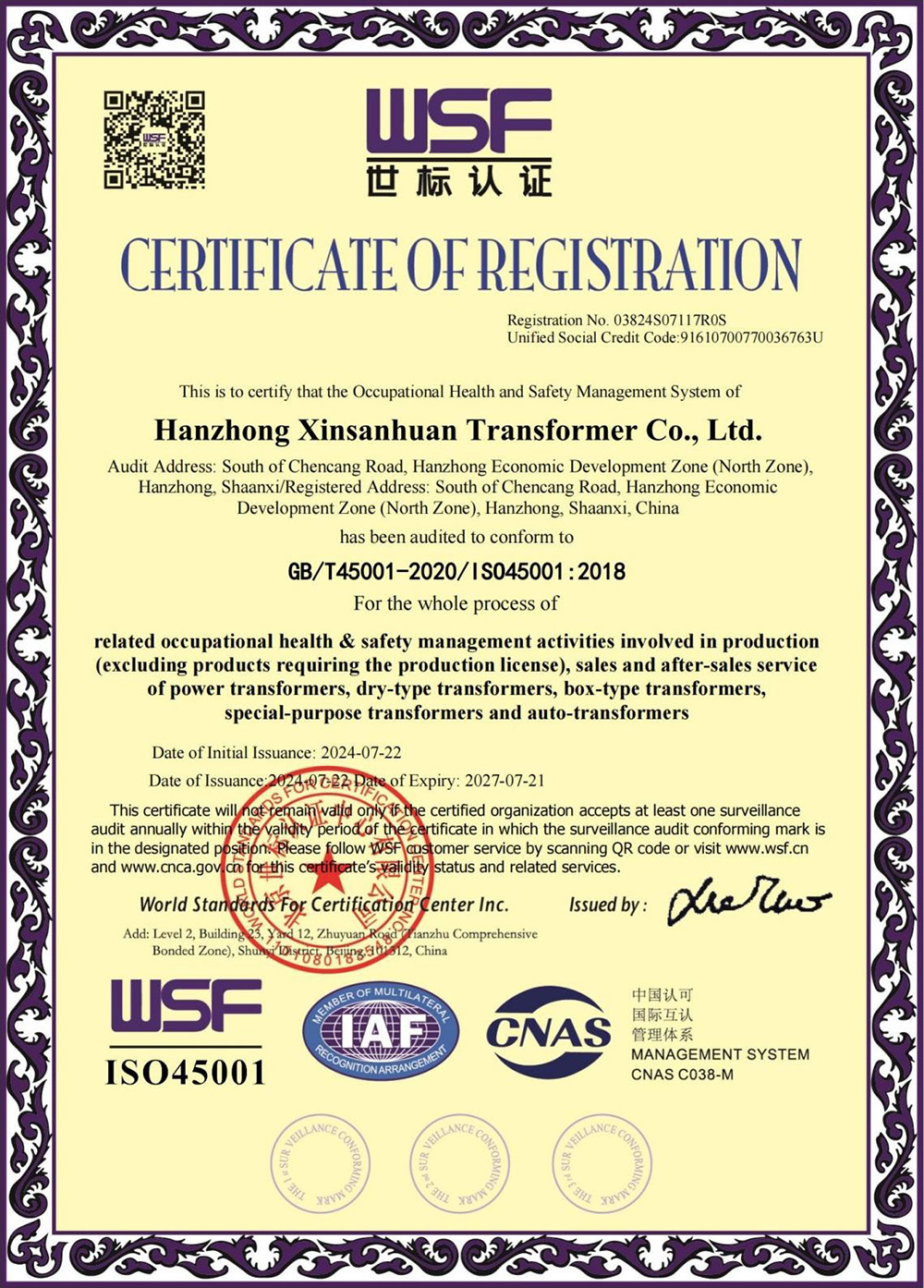
Original certified products engineered for high reliability, long service lifetime, and complete Brazilian grid compliance.
Key procedural steps to ensure smooth customs clearance, homologation, and commission verification across Brazil.
Prior to issuing tender documents or finalizing purchase orders for PSTs and high-voltage transformers in Brazil, engineering teams must verify dual compliance with both IEC 60076 and Brazilian ABNT NBR 5356 specifications. This encompasses strict temperature rise limits under 40°C/45°C ambient tropical ratings, seismic vibration withstand calculations for substations in active fault zones, and low dielectric loss tangents (Tan Delta).
Large power transformers require heavy-lift ship stowage and coordinated roll-on/roll-off (Ro-Ro) or barge operations. Disembarking through the port of Santos (for Southeast industrial corridors), Paranaguá (for Southern agro-industrial belts), or Itaqui/Suape (for North/Northeast renewable hubs) requires specialized forwarders equipped with multi-axle modular trailers (SPMTs) capable of traversing Brazilian federal highways (Rodovias Federais).
Dealing directly with established Chinese manufacturers like Hanzhong Xinsanhuan Transformer Co., Ltd. streamlines technical exchange between your local project engineers and factory R&D specialists. Our dedicated international engineering support team delivers full 3D CAD modeling, magnetic field simulation reports, dynamic thermal modeling, and full traceability for all raw materials—from high-grade electrical steel sheets to high-purity insulating oils.