Leave Your Message
Engineered to handle severe cyclically surging loads, extreme ambient dust, harmonic stress, and phase balancing across high-voltage mining substations and beneficiation circuits.
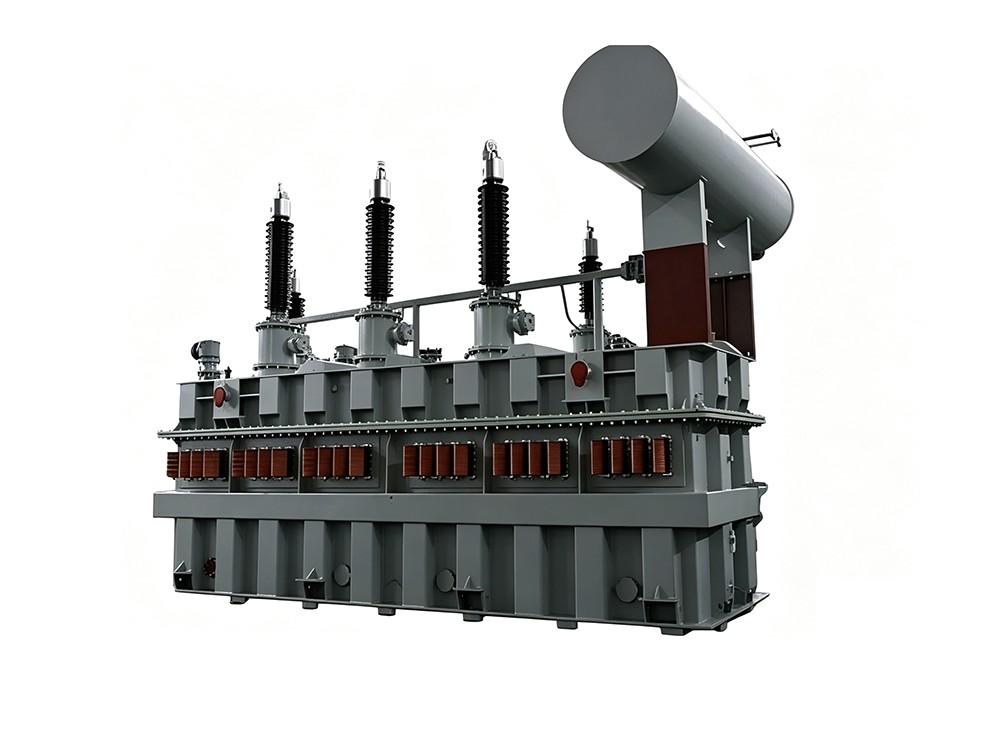
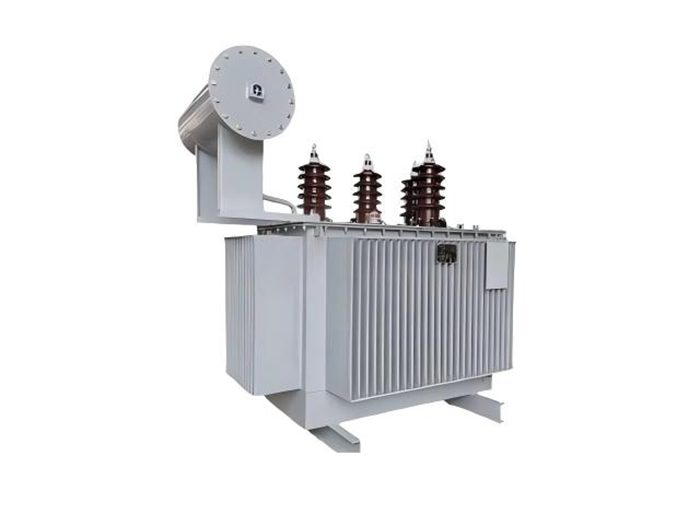

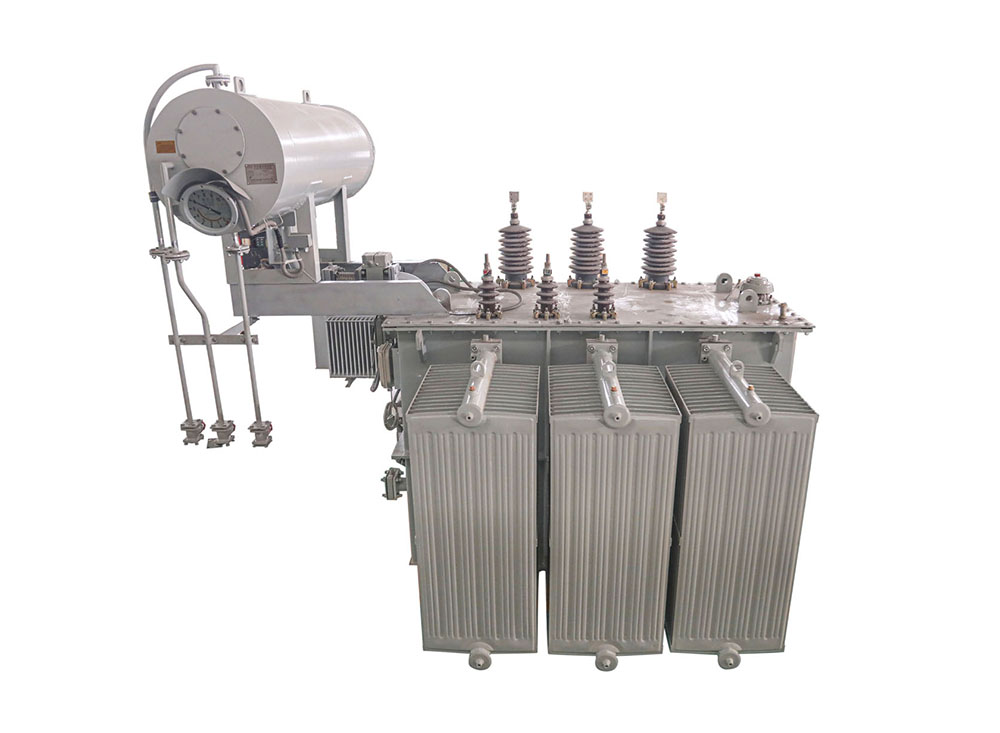
How Phase Shifting Transformers (PST) and ruggedized substation units resolve critical bottlenecking, loop flows, and extreme load dynamics across modern mineral extraction hubs.
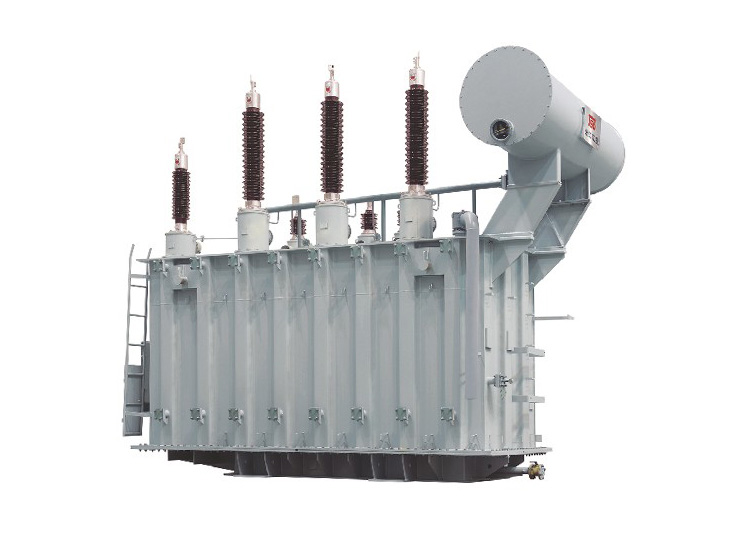
Phase Shifting Transformers regulate active power transfers across parallel transmission corridors, preventing thermal overloads and keeping processing loops perfectly synchronized under severe mill starting conditions.
Reinforced mechanical clamping, anti-corrosive multi-tier coatings, and hermetic sealing resist airborne abrasive silica dust, acidic flotation mists, and seismic blast vibrations common to deep-pit extraction.
Tailored impedance matching and phase displacement configurations absorb voltage flicker, inrush stresses, and high-order harmonics generated by cycloconverter-driven SAG mills and massive DC smelting rectifiers.
The global transition toward critical minerals—including copper, lithium, nickel, cobalt, and rare earths—has fundamentally transformed the operating philosophy of modern mining facilities. Operations are increasingly situated in remote geological formations, relying on lengthy transmission spurs or decentralized microgrids that incorporate utility lines, captive thermal generators, and utility-scale solar or wind installations. In these complex grid topographies, managing electrical energy is as decisive to bottom-line profitability as ore grade recovery.
Mineral processing plants operate around the clock with energy-intensive, non-linear machinery such as multi-megawatt semi-autogenous grinding (SAG) mills, secondary ball mills, pebble crushers, high-pressure grinding rolls (HPGR), slurry pumps, and massive flotation banks. When several colossal motors start or experience sudden ore charge variations, the transient reactance and active power oscillations ripple through internal plant buses. Without dedicated power flow control equipment—most notably Phase Shifting Transformers (PST) and purpose-built heavy-duty substation transformers—parallel feeder circuits suffer from unequal load distributions, circulating currents, premature conductor heating, and nuisance trips that halt multi-million-dollar processing circuits.
"In continuous mineral beneficiation, unscheduled downtime can cost tens of thousands of dollars per hour. A specialized PST transformer configuration serves as the hydraulic valve of the electrical network, steering active megawatt flow across parallel lines without requiring costly high-voltage line rebuilds."
A Phase Shifting Transformer controls the flow of real active power ($P$) through alternating current transmission lines by creating an intentional, variable phase-angle difference between the input voltage and the output voltage. In conventional transmission lines, active power flow is determined primarily by the voltage magnitudes, the transmission line reactance ($X$), and the phase angle displacement ($\delta$) between sending and receiving ends. In remote mining hubs where private spur lines parallel utility supplies, the lower impedance line inevitably absorbs the bulk of the power, frequently exceeding thermal limits while the alternate feeder remains underutilized.
By injecting a quadrature voltage vector—shifted 90 degrees relative to the phase-to-neutral voltage—a PST alters the net phase angle across the circuit. This synthetic angular offset forces power to divert from congested circuits into underloaded paths. In heavy mineral plants equipped with dual-circuit 110kV or 220kV feeds, implementing PST architecture ensures 100% capacity utilization of transmission infrastructure, stabilizes system voltages during catastrophic motor stalls, and provides isolation against line outages elsewhere on the parent utility grid.
| Functional Parameter | Standard Utility Substation Unit | Mining-Grade PST / Rectifier Architecture |
|---|---|---|
| Active Power Flow Regulation | Passive; determined strictly by grid reactance | Dynamic active vector control via in-phase & quadrature phase-shifting |
| Short-Circuit Mechanical Withstand | Standard IEC/IEEE thermal & electrodynamic ratings | Reinforced radial clamping & high-density pressboard for repetitive trip currents |
| Harmonic Endurance | Designed primarily for linear grid loads (THD < 5%) | Multi-pulse phase shifting (12, 24, 48-pulse) handling severe VFD & rectifier harmonics |
| Environmental Hermeticity | Standard industrial outdoor paint and breathers | C5-M marine/corrosive rated paint, high-seal nitrogen blanketing or sealed conservators |
| Overload & Dynamic Duty Cycle | Conservative nameplate rating with minimal continuous surge | Robust 150%–200% cyclic overload tolerance for frequent mill restarts and load swings |
Deploying specialized transformers within mining complexes demands rigorous attention to distinct operational environments. Below are the core technical nodes where our specialized PST, rectifier, and earthing solutions deliver unmatched operational dependability:
Comminution represents over 50% of a mineral plant's total electrical footprint. Large gearless mill drives (GMDs) and cycloconverter or PWM-inverter driven motors generate significant low- and high-frequency harmonics, along with reactive power swings. When dual transformers feed these variable drives, phase-shifting secondary windings (such as delta-wye configurations combined with multi-winding phase shifts) eliminate characteristic harmonic currents back at the primary bus. This protects neighboring processing lines from voltage notching and unwanted resonance.
Base metals like copper, zinc, and nickel depend on electro-extraction cells requiring hundreds of thousands of amperes of pure direct current (DC). Rectifier transformers, such as the ZSG and ZHS Series, must combine precise tap-changing regulation with specialized phase splitting to supply heavy 12-pulse or 24-pulse diode and thyristor banks. The structural core must withstand massive stray magnetic fields without localized hot-spotting, safeguarding oil dielectric life.
Electric rope shovels, heavy blasthole drills, and overland conveyors traverse rugged pit terrain, frequently served by mobile skid-mounted substations. Because pit soils possess uneven resistivity, earth faults pose immediate life-safety hazards. Incorporating ZN Type Zigzag Neutral Earthing Transformers establishes a synthetic, low-impedance neutral point for ungrounded 10kV to 35kV pit circuits, enabling lightning-fast ground fault detection and restricting transient touch voltages to safe levels.
Decarbonization initiatives are driving the installation of multi-hundred-megawatt photovoltaic (PV) fields and Battery Energy Storage Systems (BESS) directly alongside mining concessions. The intermittent generation profiles of renewable plants, juxtaposed against relentless 24/7 mineral processing demands, result in sudden inter-tie power directional reversals. Phase Shifting Transformers provide the precise angular steering necessary to prevent reverse power overloads on captive diesel generator stations, maximizing renewable penetration without risking blackout events.
Embracing intelligent digital twins, eco-friendly ester fluids, and advanced condition monitoring for next-generation mineral extraction plants.
Traditional time-based maintenance models are no longer acceptable for high-throughput processing plants where a single transformer breakdown can paralyze an entire leach or flotation circuit. Modern mining transformers are equipped with integrated fiber-optic temperature sensors embedded directly within the hottest core winding turns, multi-gas online Dissolved Gas Analysis (DGA) monitors, dynamic moisture sensors, and partial discharge acoustic arrays.
These sensor inputs feed into edge AI algorithms, delivering continuous health indexing and allowing asset managers to foresee insulation thermal aging, tap-changer contact wear, or harmonic-induced core saturation weeks before any physical anomaly triggers a protective trip.
Underground mining chambers and environmentally sensitive rainforest or arctic tailings catchments impose severe fire-safety and ecological restrictions. The transition toward high-fire-point (K-class) biodegradable synthetic and natural ester dielectric liquids is accelerating. Ester liquids offer a fire point exceeding 300°C, virtually eliminating catastrophic fire propagation hazards while providing rapid environmental biodegradability in the event of accidental spillage.
Our heavy-duty transformer designs optimize internal ducting and fluid dynamics to accommodate ester oils' unique viscosity profiles, ensuring maximum thermal dissipation across high-altitude and hot-desert mining terrains alike.
Today, XINSANHUAN’s products are exported to more than 30 countries and regions worldwide. Its international footprint spans Europe, Central Asia, Southeast Asia, Africa, and Latin America, with successful projects completed in countries such as Russia, Kazakhstan, Uzbekistan, Kyrgyzstan, Ethiopia, Zambia, Tanzania, Mexico, Honduras, and many others. The company’s products are widely recognized for their excellent operational performance, high efficiency, durability, and adaptability to diverse climatic and grid conditions.
Delivering heavy-duty power engineering solutions to extreme high-altitude Andes copper mines, African copper-cobalt belts, Central Asian gold deposits, and beyond.
Quality excellence and customer satisfaction remain the core values that guide every aspect of XINSANHUAN’s business operations. Through strict quality assurance, reliable delivery schedules, and comprehensive after-sales support, the company has earned the trust and long-term cooperation of customers around the world. Its commitment to providing dependable products and professional services has established a strong reputation within the global power equipment industry.
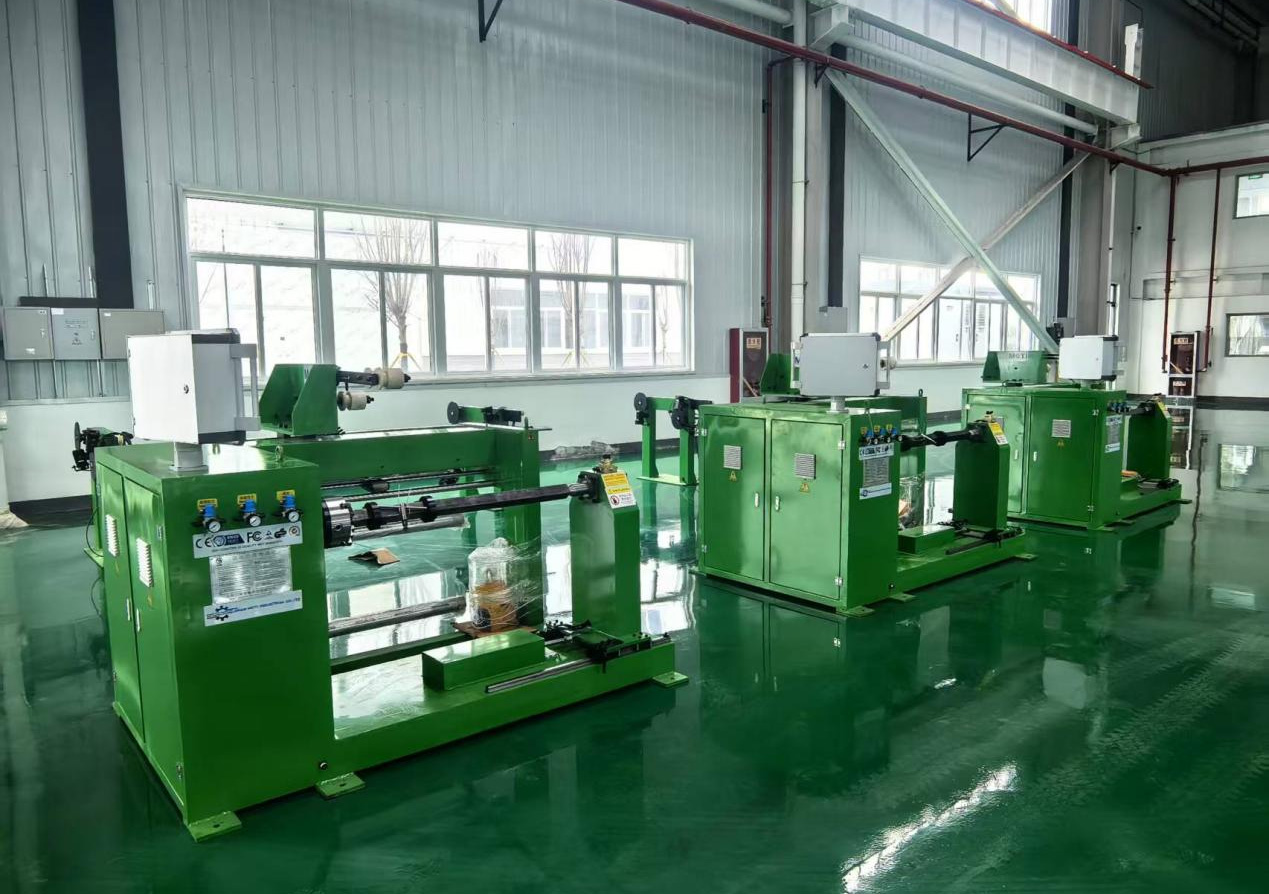
Looking toward the future, Hanzhong Xinsanhuan Transformer Co., Ltd. will continue to uphold its philosophy of integrity, innovation, quality, and customer focus. By leveraging its strong technical expertise, advanced manufacturing capabilities, and global market experience, the company is committed to building long-term partnerships with customers worldwide and contributing to the development of safe, efficient, and sustainable power infrastructure. Together with its partners, XINSANHUAN strives to create greater value and shape a brighter future for the global energy industry.
Explore our comprehensive lineup of heavy transformers, grounding safety systems, and power transmission apparatus certified for worldwide mining, smelting, and manufacturing applications.