Leave Your Message
Engineered to handle severe asymmetric loads, heavy short-circuit stresses, and continuous multi-pulse harmonic filtering in primary steelmaking.
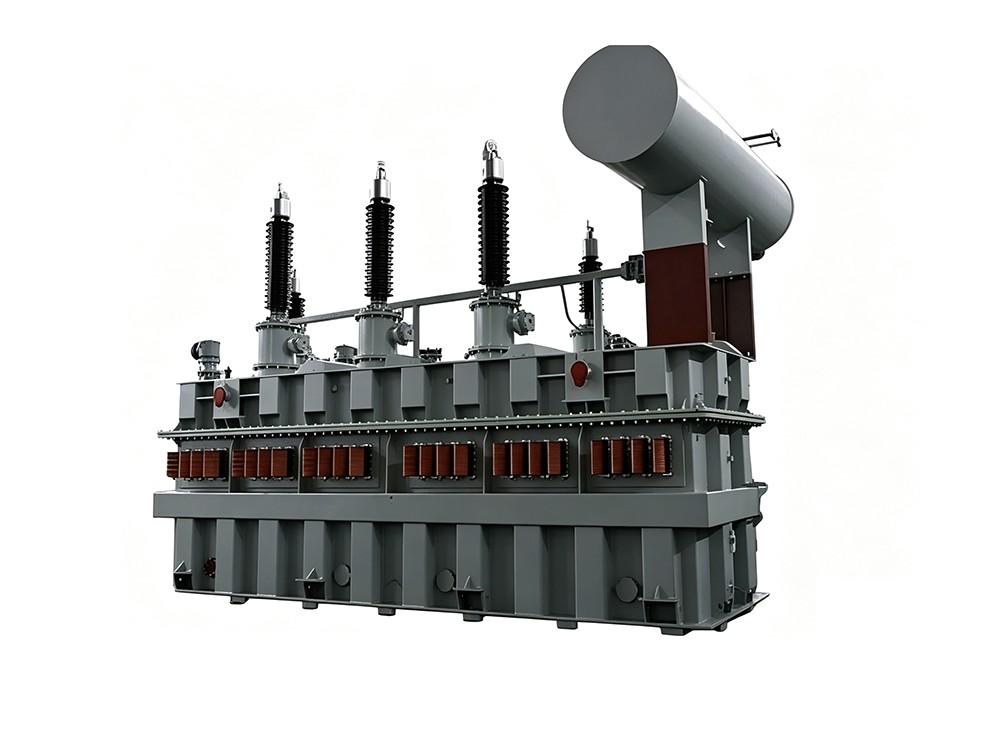

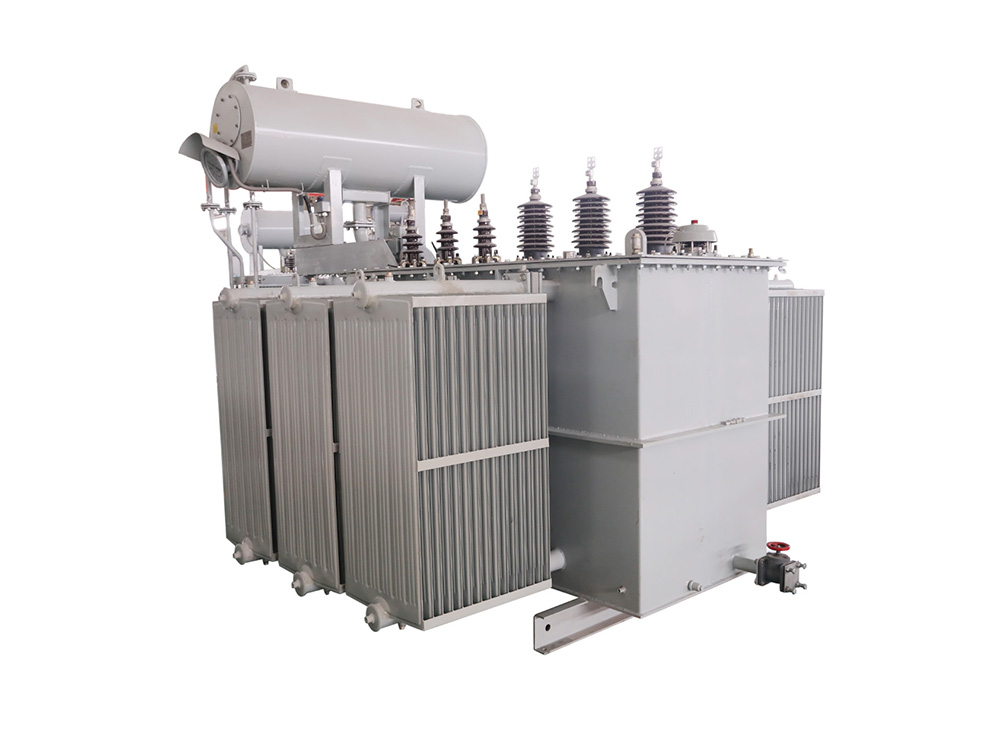
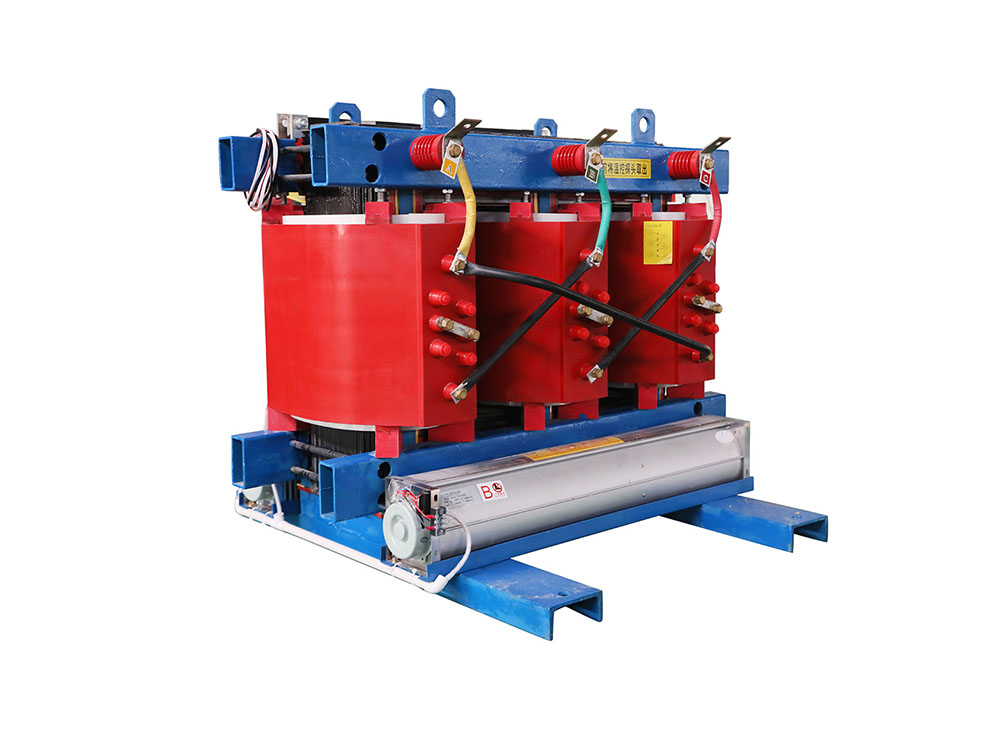
The contemporary global steel metallurgy sector is undergoing an aggressive technological pivot toward decarbonization, continuous scrap recycling, and green-energy integrated steelmaking. Central to this transition are high-power Electric Arc Furnaces (EAF), Submerged Arc Furnaces (SAF), and Ladle Refining Furnaces (LF). However, the extreme electrical dynamics of electric arc furnaces present severe challenges to power infrastructure: rapid load swings, extreme current surges, volatile reactive power swings, and massive harmonic injection.
Phase-Shifting Transformers (PST) and specialized multi-pulse furnace transformation systems act as the primary operational buffer and conversion backbone. By introducing precise phase displacement (such as ±7.5°, ±15°, or customized angular configurations) across multi-winding systems, PSTs enable 12-pulse, 24-pulse, 36-pulse, and 48-pulse rectification architectures. This eliminates dominant 5th, 7th, 11th, and 13th harmonic currents at the primary busbar, radically reducing Total Harmonic Distortion (THD) in compliance with rigorous IEEE 519 and IEC power quality standards.
Engineering Breakthrough: Modern Phase-Shifting Transformers optimize power flow distribution, suppress voltage flicker, minimize secondary copper losses, and protect upstream utility grids from catastrophic thermal degradation during aggressive furnace bore-in phases.
During erratic arc ignition and scrap collapse cycles in metallurgical furnaces, phase-load unbalance often exceeds 40%. Advanced PST systems stabilize three-phase magnetic symmetry, preventing core saturation and reducing localized eddy-current heating across transformer tanks and busbar terminations.
Purpose-built engineering solutions designed to withstand extreme electromagnetic forces, high continuous ambient temperatures, and volatile cyclical overloads.
Utilizing zig-zag, extended delta, and polygon winding configurations, our PST units deliver ultra-accurate angular shifts. This enables high-efficiency DC rectifier feeding for DC arc furnaces, silicon metal smelting, and electrolytic copper refining with harmonic elimination directly at source.
Furnace transformers endure daily repeated short-circuits caused by scrap metal bridging electrode tips. Our windings feature densified radial spacers, thermo-setting epoxy resin transposition cables (CTC), and axial pre-stress clamping to withstand short-circuit forces exceeding 150 kN.
Equipped with vacuum-type On-Load Tap Changers offering up to 27 to 39 voltage regulation steps. Seamlessly adjusts secondary furnace arc voltage under heavy load conditions without interrupting melting cycles, optimizing specific electrical energy consumption per ton of liquid steel.
Available in OFWF (Forced Oil Forced Water), ODAF (Directed Oil Forced Air), and high-grade cast-resin configurations. Low oil-temperature gradients prevent accelerated aging of cellulose insulation, ensuring uninterrupted continuous 24/7 metallurgical plant uptime.
Secondary low-voltage windings feature water-cooled pure copper busbars arranged in interlaced delta arrangements. This design minimizes internal reactance, balances mutual induction, and suppresses parasitic eddy-current overheating in structural steel enclosures.
Integrated with multi-channel fiber-optic temperature sensors, online dissolved gas analysis (DGA), partial discharge monitoring, and AI-driven thermal modeling. Predictive algorithms forecast winding hot spots and oil degradation before operational faults occur.
From primary electric scrap melting to non-ferrous refining, discover how our transformer topologies optimize specific production processes.
Modern UHP EAF installations demand transformer ratings from 50 MVA to well over 180 MVA. The operational cycle consists of severe scrap bore-in, melting, and refining phases characterized by violent arc flaring. Incorporating Phase-Shifting Transformers on the primary substation side allows multiple EAFs to operate simultaneously on a shared high-voltage busbar without triggering dangerous voltage flicker or cascading harmonic trips across regional transmission networks.
Because the electric arc represents a non-linear, dynamic resistance, massive 2nd, 3rd, and 5th harmonic currents circulate in the furnace circuit. Our custom phase-shifted intermediate transformers isolate the primary power grid, converting non-sinusoidal secondary distortion into clean balanced primary power.
SAF operations require continuous year-round full-load operation under severe heat and chemical dust exposure. Transformer reliability dictates the entire facility's economic viability.
Submerged Arc Furnaces operate on resistance-arc principles deep beneath the charge burden. Unlike EAFs, SAFs require continuous, steady high-current delivery around the clock for months without interruption. Our single-phase and three-phase furnace transformers offer ultra-low internal impedance, high thermal reserve factors, and specialized dust-sealed terminal enclosures engineered for hostile plant environments (ferrosilicon, silicomanganese, calcium carbide, and industrial silicon production).
Secondary metallurgy requires precise temperature holding, liquid steel desulfurization, and alloy homogenization. Ladle furnace transformers operate with submerged, stable short arcs, requiring precise voltage fine-tuning. Our LF transformers minimize electrode consumption and optimize heating speed while maintaining low transformer noise and minimum dielectric dissipation factors ($\tan\delta$).
In non-ferrous metallurgy (aluminum smelting, copper electrowinning, zinc electro-extraction), hundreds of kiloamperes of continuous direct current are required. Our ZSG/ZHS Phase-Shifting Rectifier Transformers feed 12-, 24-, and 48-pulse thyristor or diode bridge rectifiers, providing maximum power factor ($\cos\phi \ge 0.96$) and minimal ripple factor.
How the global decarbonization drive, renewable microgrids, and digital power management are shaping next-generation transformer engineering.
The global steel industry is migrating from blast furnaces (BF-BOF) to Direct Reduced Iron (DRI) paired with high-capacity EAFs powered by green electricity. This transition quadruples electrical demand per ton of steel, requiring high-power step-down transformers capable of interfacing with variable wind and solar energy supplies.
To reduce carbon footprints and fire hazards in indoor metallurgy installations, our oil-immersed transformers are engineered to accommodate synthetic and biodegradable natural ester fluids (vegetable oils). These fluids offer higher flash points (>300°C) and superior moisture absorption capabilities.
Modern metallurgical power substations demand seamless integration with plant-wide DCS and SCADA systems. Our transformers feature IEC 61850 protocol compliance, transmitting real-time operational parameters, harmonic spectra, and winding hot-spot estimates to cloud-based monitoring platforms.
| Transformer Type | Primary Application | Harmonic Cancellation Method | Voltage Regulation Mechanism | Standard Cooling Method |
|---|---|---|---|---|
| Phase-Shifting Transformer (PST) | Multi-furnace grid decoupling, HV busbar power flow | Polygon/Extended Delta Phase Displacement | On-Load Tap Changer (OLTC) on Primary | ONAN / ONAF / OFAF |
| EAF Arc Furnace Transformer | Primary steel scrap smelting & DRI melting | Interlaced Delta with series smoothing reactors | Direct On-Load Step-down Tap Changer | OFWF / ODAF Directed Oil |
| ZSG/ZHS Rectifier Transformer | DC arc furnaces, Copper/Zinc electrolysis | 12-Pulse / 24-Pulse / 48-Pulse Multi-winding | Motorized OLTC with thyristor fine-trim | OFWF / Forced Water Heat Exchanger |
| Cast Resin Dry-Type Auxiliary | Foundry auxiliaries, dust extraction, cranes | Shielded electrostatic ground screen | Off-Circuit Tap Changer (OCTC ±2x2.5%) | AN / AF (Natural/Forced Air) |
Quality excellence and customer satisfaction remain the core values that guide every aspect of XINSANHUAN’s business operations. Through strict quality assurance, reliable delivery schedules, and comprehensive after-sales support, the company has earned the trust and long-term cooperation of customers around the world. Its commitment to providing dependable products and professional services has established a strong reputation within the global power equipment industry.
Every phase-shifting transformer and metallurgical furnace unit undergoes rigorous factory acceptance testing (FAT), including lightning impulse withstand tests, temperature rise measurements, partial discharge analysis, and acoustic sound level verification under strict IEC 60076, IEEE C57, and ISO 9001 standards.
Today, XINSANHUAN’s products are exported to more than 30 countries and regions worldwide. Its international footprint spans Europe, Central Asia, Southeast Asia, Africa, and Latin America, with successful projects completed in countries such as Russia, Kazakhstan, Uzbekistan, Kyrgyzstan, Ethiopia, Zambia, Tanzania, Mexico, Honduras, and many others. The company’s products are widely recognized for their excellent operational performance, high efficiency, durability, and adaptability to diverse climatic and grid conditions.
Looking toward the future, Hanzhong Xinsanhuan Transformer Co., Ltd. will continue to uphold its philosophy of integrity, innovation, quality, and customer focus. By leveraging its strong technical expertise, advanced manufacturing capabilities, and global market experience, the company is committed to building long-term partnerships with customers worldwide and contributing to the development of safe, efficient, and sustainable power infrastructure. Together with its partners, XINSANHUAN strives to create greater value and shape a brighter future for the global energy industry.
Key technical considerations regarding impedance matching, harmonic elimination, and operational longevity in furnace transformation.
Operating multiple electric arc or submerged arc furnaces on a single high-voltage busbar creates additive harmonic distortion and severe voltage flicker. By introducing Phase-Shifting Transformers that stagger the phase angle between parallel units, higher-order harmonic currents cancel each other out on the common busbar, keeping power quality within IEEE 519 standards.
Scrap cave-ins create dead short-circuits. Our transformer windings utilize continuously transposed conductors (CTC) bonded with thermo-setting epoxy resin, high-density pressboard insulation, and uniform axial hydraulic pre-clamping rings to prevent radial expansion and axial displacement under extreme electrodynamic peak forces.
For transformers rated above 40 MVA operating in heavy metallurgical dust environments, Forced Oil Forced Water (OFWF) or Directed Oil Forced Air (ODAF) with redundant plate-type stainless steel heat exchangers are strongly recommended to ensure winding hot spots remain well below maximum insulation limits.
Yes. Our product lines encompass ultra-low temperature resistant dry-type units (down to -50°C), high-altitude designs (up to 4,000m above sea level), and heavy industrial corrosion-resistant C5-M coatings tailored for metallurgical plants in diverse global regions.
Explore our full range of high-voltage substation main transformers, distribution transformers, special rectifier units, and neutral grounding protection systems.