Leave Your Message
Compact, high-precision combined instrument transformers and protective auxiliary units engineered for heavy-duty refinery substations and flammable processing clusters.

In modern chemical plants, petroleum refineries, offshore platforms, and LNG receiving terminals, electrical power distribution operates under intensely hostile ambient conditions. These environments are routinely characterized by explosive atmospheric mixtures (such as hydrogen, ethylene, hydrocarbons, and acetylene gases), ambient chemical corrosives (hydrogen sulfide, chlorine, sulfur dioxide), and high ambient thermal stress. Medium-voltage distribution networks (typically 6kV, 10kV, 20kV, and 35kV) require continuous, uncompromised measurement of voltage and current for tariff metering, energy accounting, SCADA telemetry, and automated protective relaying.
Historically, chemical plant substations installed standalone Current Transformers (CT) and separate Potential/Voltage Transformers (PT/VT). However, utilizing independent discrete instrument transformers creates severe installation and safety bottlenecks: it requires extensive cable routing, consumes substantial switchgear footprint, introduces multiple potential spark-ignition points, and complicates explosion-proof containment. The modern transition to Three-Phase CT-VT Combined Transformers (also known in utility engineering as three-phase metering outfits or integrated primary measurement units) represents a monumental leap in plant reliability, intrinsic safety, and electrical enclosure optimization.
By hermetically combining three-phase current sensing cores and potential transformation windings inside a single vacuum-cast epoxy resin or oil-sealed enclosure, internal switchgear space requirements are reduced by up to 55%, lowering pressurized blast-room infrastructure costs.
Utilizing hydrophobic cycloaliphatic epoxy resin (HCEP) casting and advanced pressure-venting designs guarantees non-arcing integrity, high dielectric withstand capacity, and absolute ignition suppression in Class I, Division 1 / Zone 1 hazardous areas.
Engineered with high-permeability grain-oriented silicon steel or nanostructured alloy cores, delivering Class 0.2S and 0.5S metering precision even amidst non-linear load harmonics caused by large chemical variable frequency drives (VFDs) and heavy electrolyzers.
Specialized deployment parameters where combined CT-VT systems provide vital instrumentation, protection, and continuous diagnostic inputs.
Fluid Catalytic Cracking (FCC) and atmospheric distillation units present severe thermal gradients and dense hydrocarbon vapors. Three-phase CT-VT units installed in feeder switchgear monitor high-capacity pump drives, wet gas compressors, and continuous furnace blast fans. The combined unit prevents phase imbalance, detects fractional-second ground faults, and delivers precision energy metering without risking flammable vapor ingress.
Chlor-alkali plants generate massive direct current demands managed by multi-pulse thyristor rectifier transformers. The resulting AC feeder currents carry significant harmonic distortion (5th, 7th, 11th, and 13th harmonics). Our combined CT-VT sets feature specialized anti-saturation magnetic circuits and auxiliary anti-ferroresonance tertiary windings to ensure measurement stability and protective relay coordination under heavy harmonic loading.
Offshore oil and gas platforms demand strict salt-spray corrosion resistance, flame-retardant encapsulation, and compact explosion-proof switchboard integration. Cast-resin CT-VT combined transformers eliminate oil leakage risks, resist aggressive coastal saline environments, and comply fully with ATEX, IECEx, and marine classification society requirements.
Methane vaporization and liquefied natural gas booster pumps run continuously in Zone 1 explosive classifications. Combined CT-VT instrumentation provides dual secondary outputs: dedicated low-burden high-precision windings (0.2S class) for revenue billing and high-saturation capability 5P20 / 10P20 protection windings for instantaneous differential relay operation during line faults.
As the petrochemical sector advances toward digital twin architectures, autonomous plant operations, and stringent carbon reduction benchmarks, the demands placed upon primary electrical measuring apparatus are rapidly transforming:
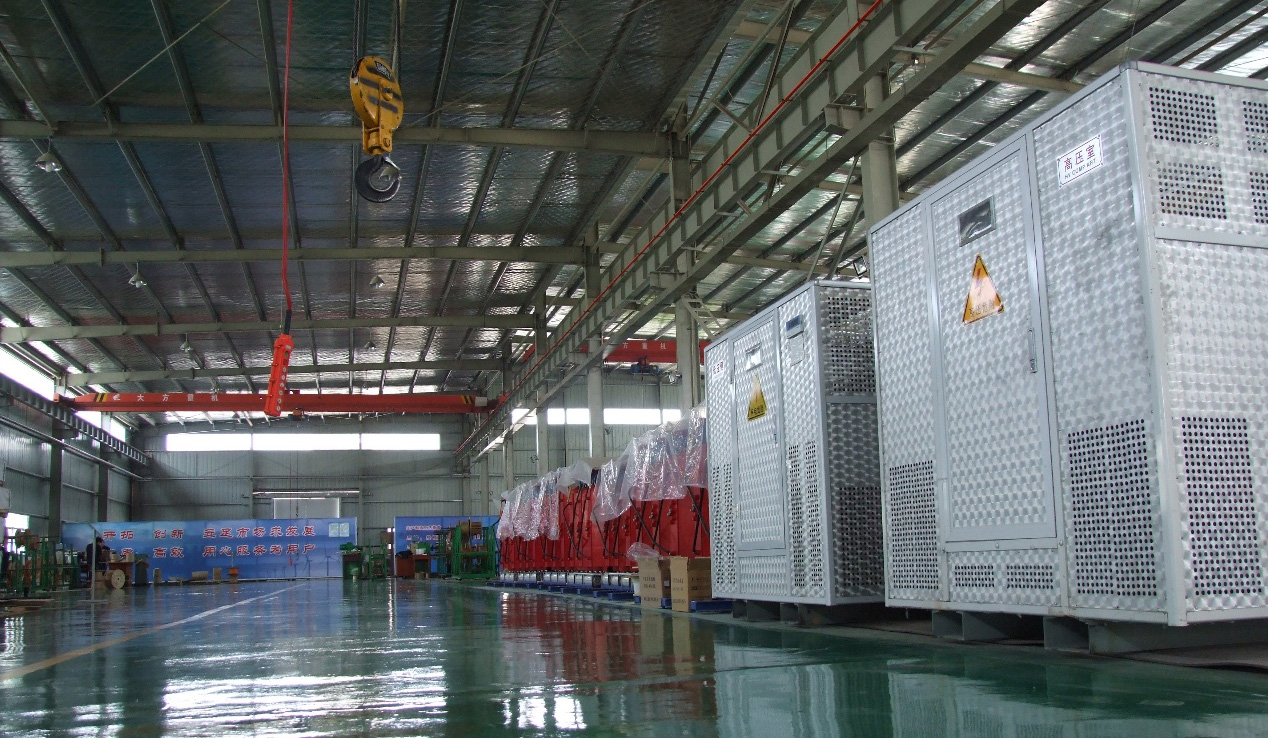
Hanzhong Xinsanhuan Transformer Co., Ltd. is a professional transformer manufacturer located in Hanzhong City, Shaanxi Province, China—a renowned historical and cultural city known for its strategic geographical location at the heart of the country. Since its establishment, the company has been dedicated to the research, development, design, manufacturing, and service of high-quality power transmission and distribution equipment, providing reliable solutions to customers across domestic and international markets.
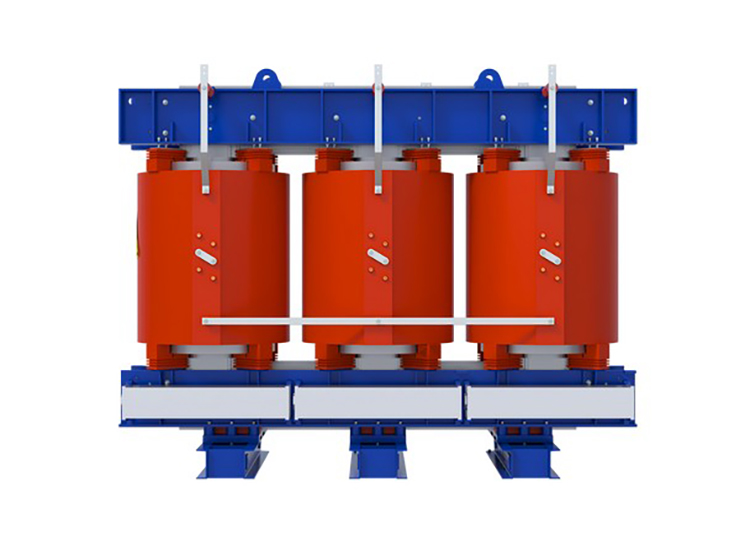
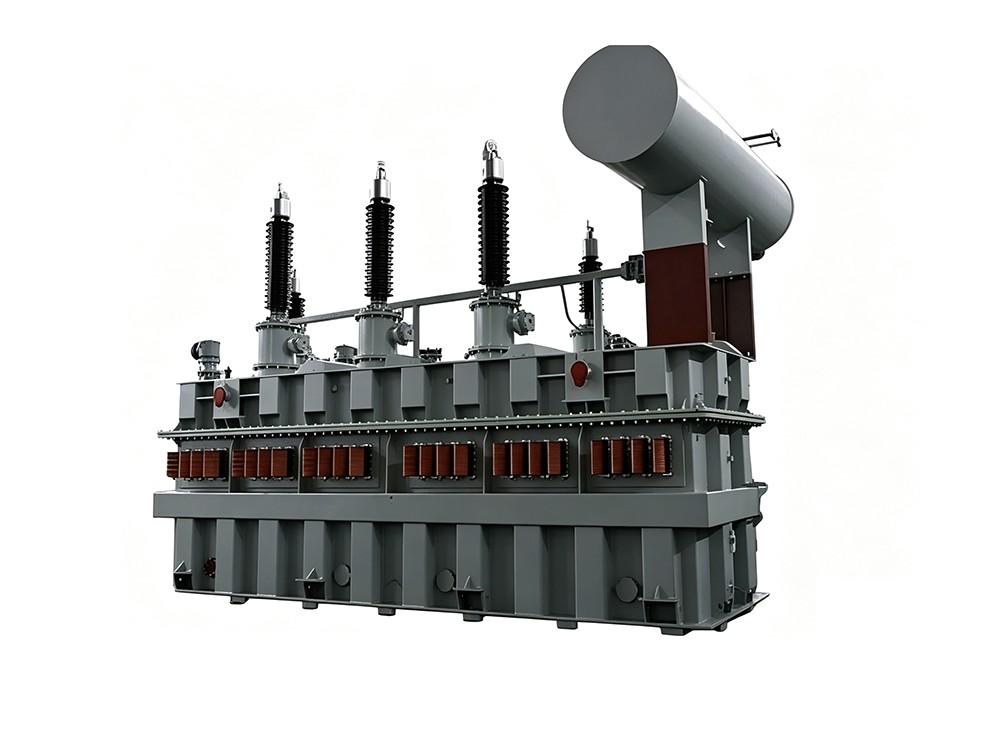
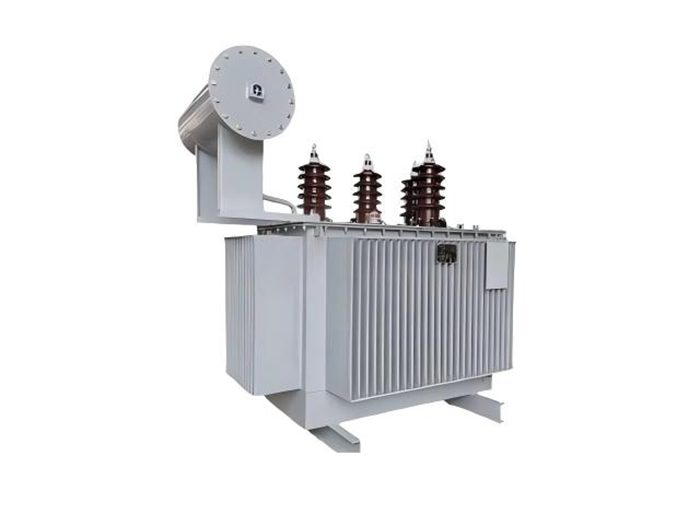
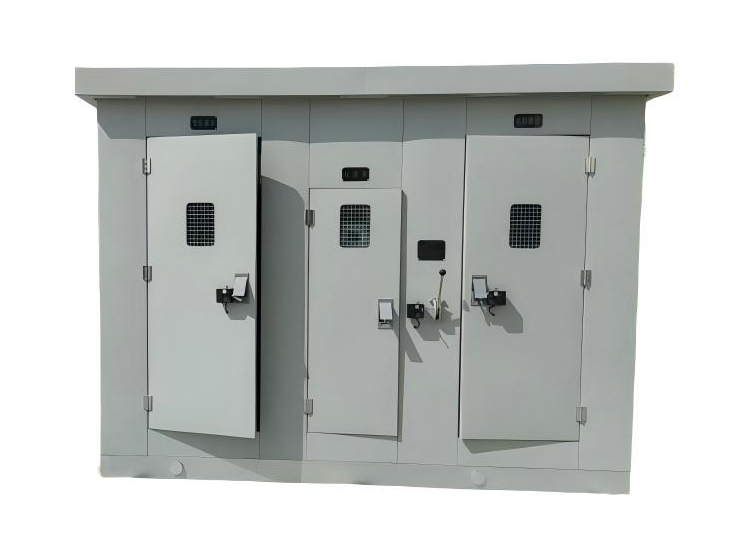
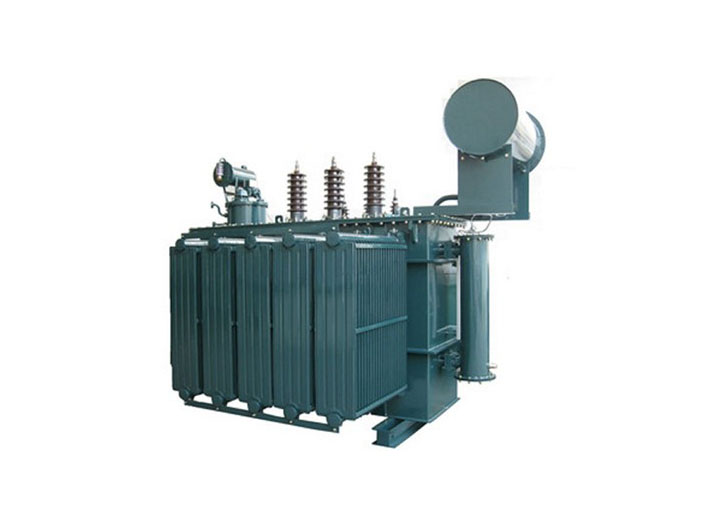
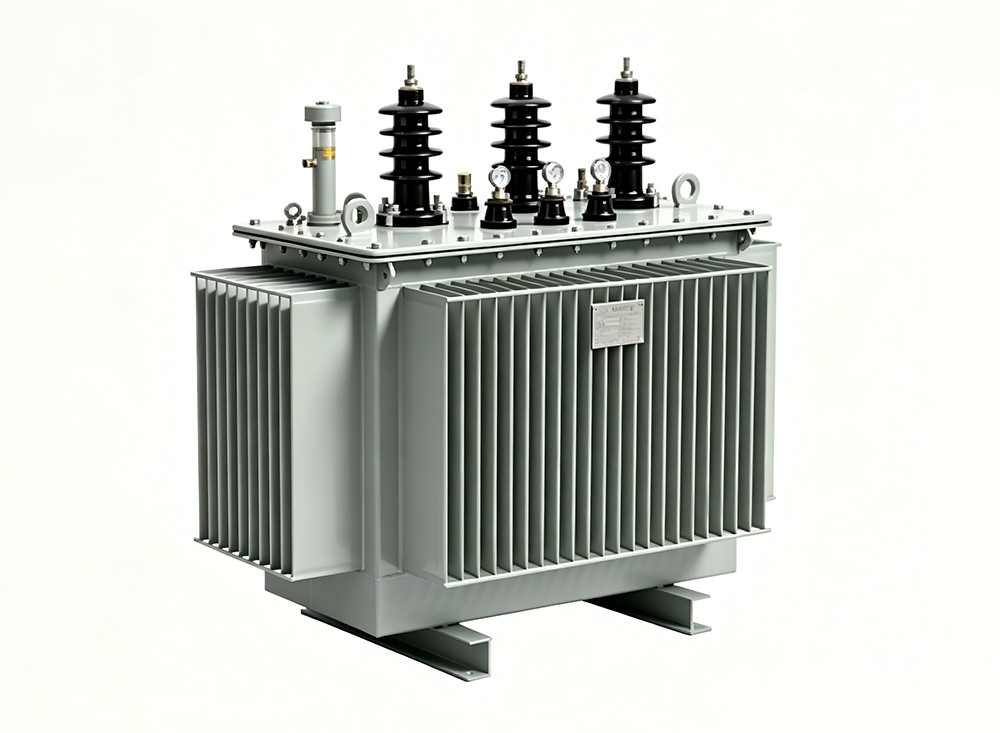
The company specializes in the production of power transformers up to 110kV, rectifier transformers, amorphous alloy transformers, oil-immersed distribution transformers, dry-type transformers, compact prefabricated substations, and other customized transformer solutions. With years of industry experience and continuous technological innovation, XINSANHUAN has developed a comprehensive product portfolio capable of meeting the diverse requirements of power utilities, industrial facilities, renewable energy projects, infrastructure developments, and commercial applications.
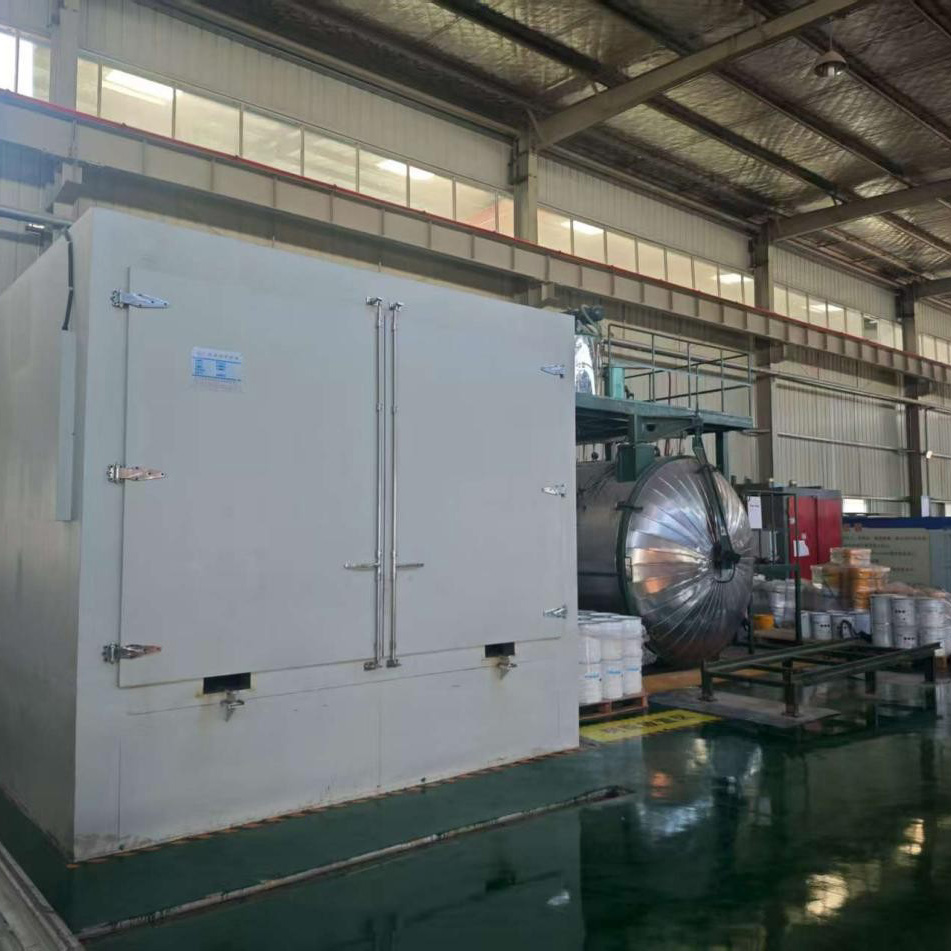
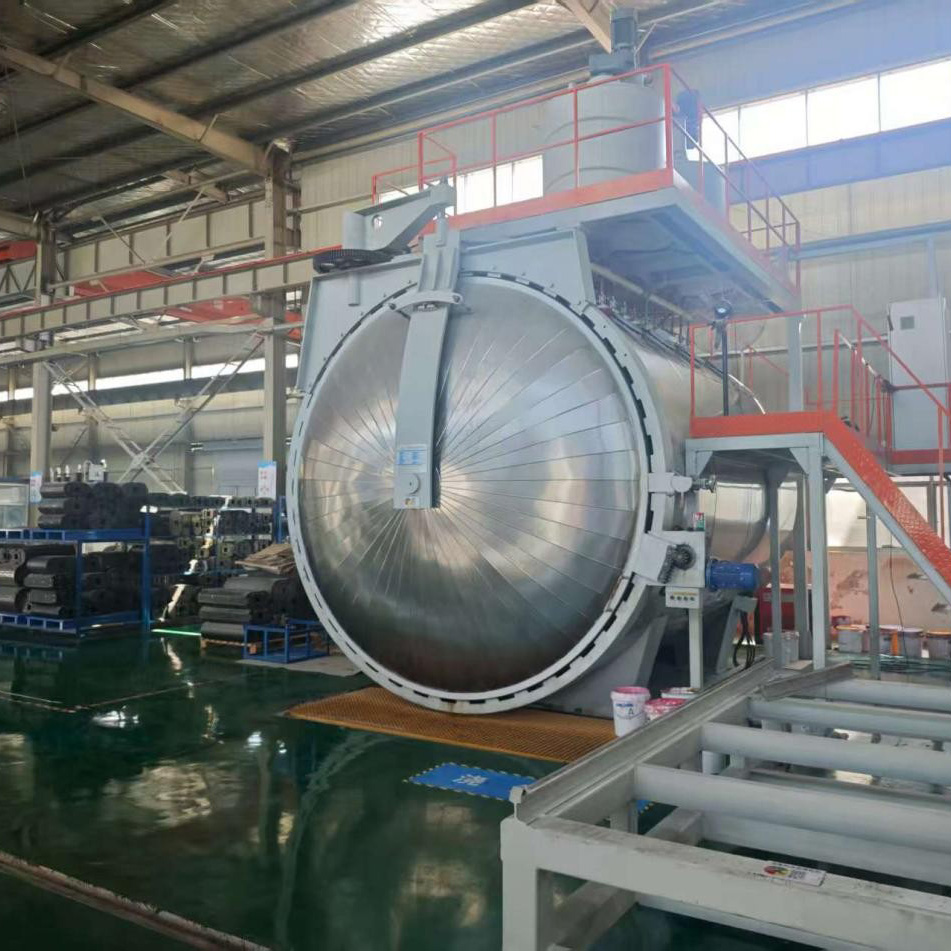
To ensure the highest standards of product quality and performance, the company has invested heavily in advanced manufacturing equipment, modern production lines, and comprehensive testing facilities. Supported by a highly qualified engineering and technical team, XINSANHUAN maintains strict quality control throughout every stage of production, from design and raw material procurement to manufacturing, testing, and final delivery. The company’s robust research and development capabilities enable it to continuously improve product efficiency, reliability, and environmental performance in response to evolving market demands.
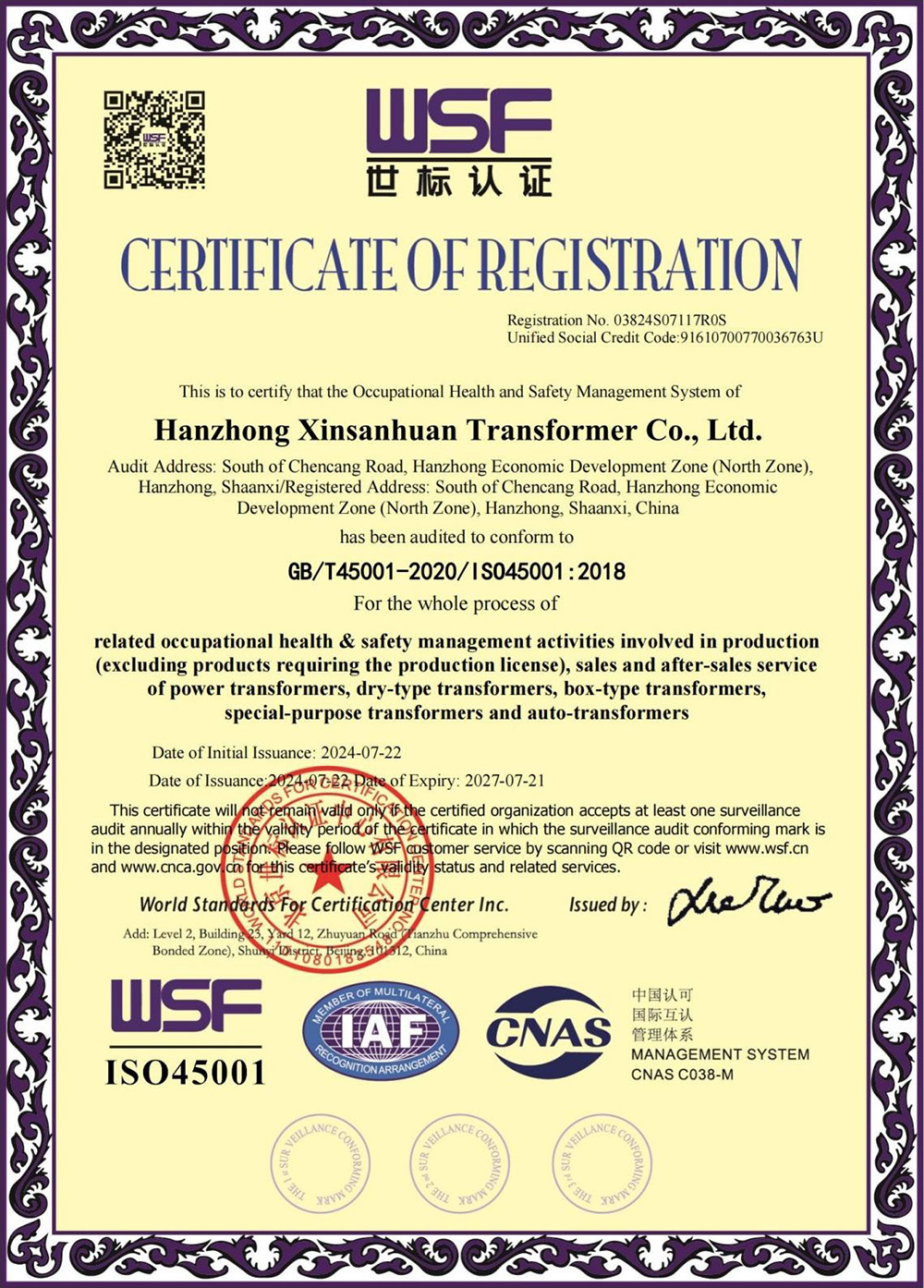
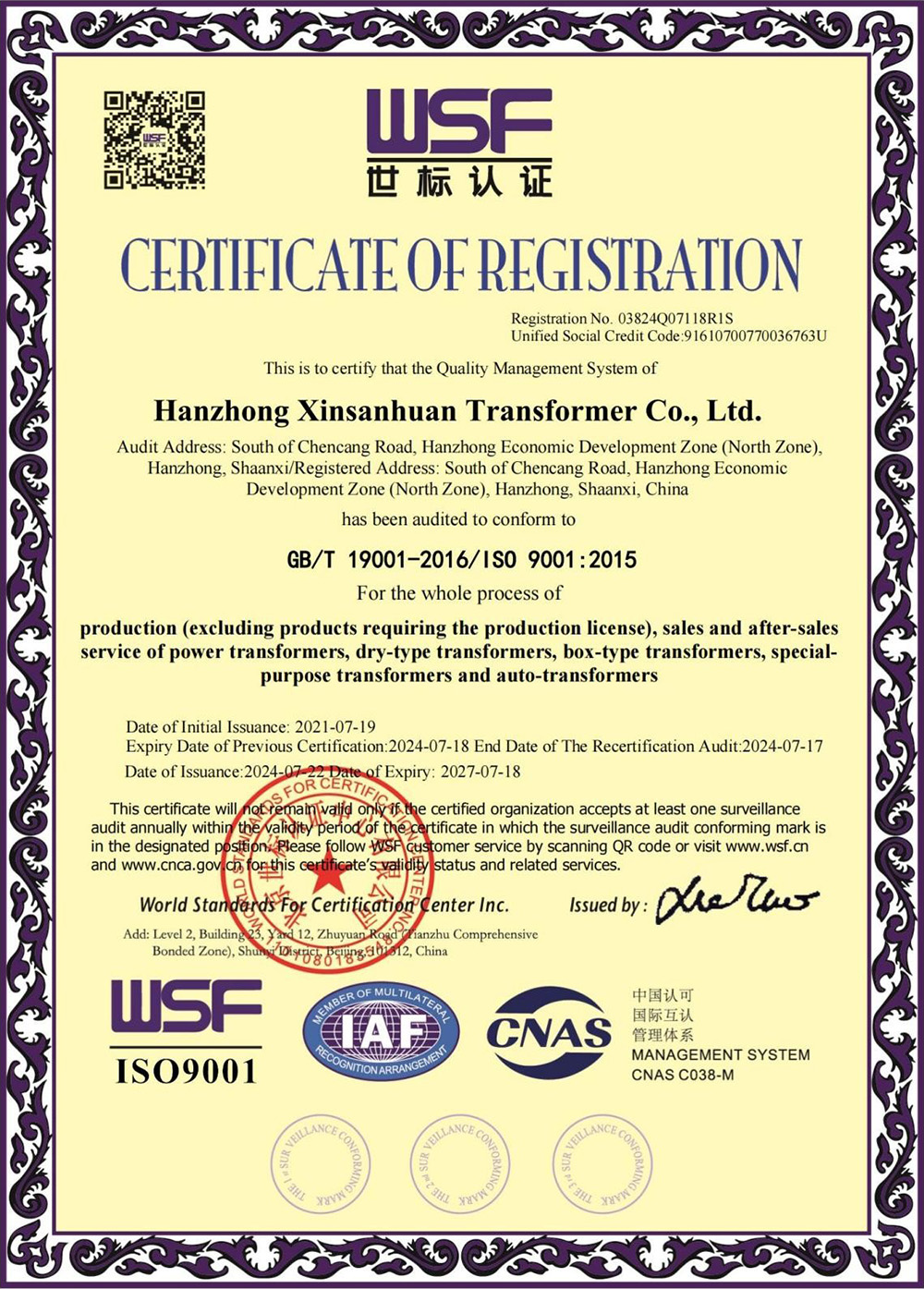
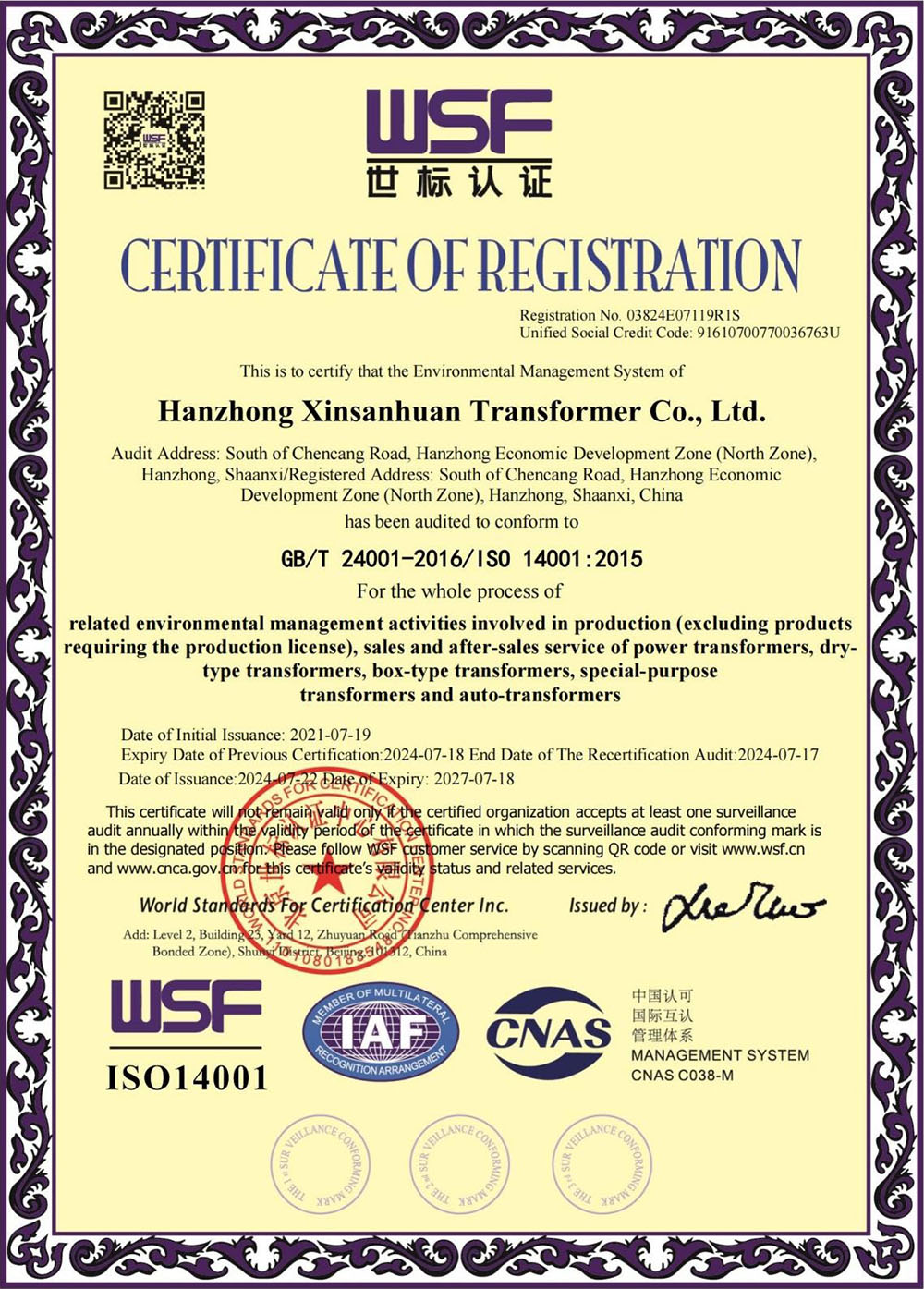
Since 2006, Hanzhong Xinsanhuan Transformer Co., Ltd. has established a comprehensive management system and obtained a series of internationally recognized certifications, including ISO 9001 Quality Management System Certification, ISO 14001 Environmental Management System Certification, and ISO 45001 Occupational Health and Safety Management System Certification. The company has also received Energy-Saving Product Certification and has been honored with the title of Green Factory, reflecting its commitment to sustainable manufacturing practices and environmental responsibility.
As a recognized High-Tech Enterprise, XINSANHUAN places strong emphasis on technological advancement and intellectual property development. The company has obtained numerous national patents covering product design, manufacturing processes, and technical innovations. In addition, its products have achieved CE certification, enabling compliance with European market requirements and facilitating exports to a broader international customer base. The company also holds independent import and export rights, ensuring efficient global trade operations and responsive customer service.
Discover our comprehensive collection of medium-to-high voltage power, distribution, grounding, and specialized converter transformers built to international IEC and IEEE specifications.