Leave Your Message
High-performance power and distribution transformers specifically pre-engineered and verified for compact outdoor package substations, kiosk enclosures, and rugged utility-scale deployment.
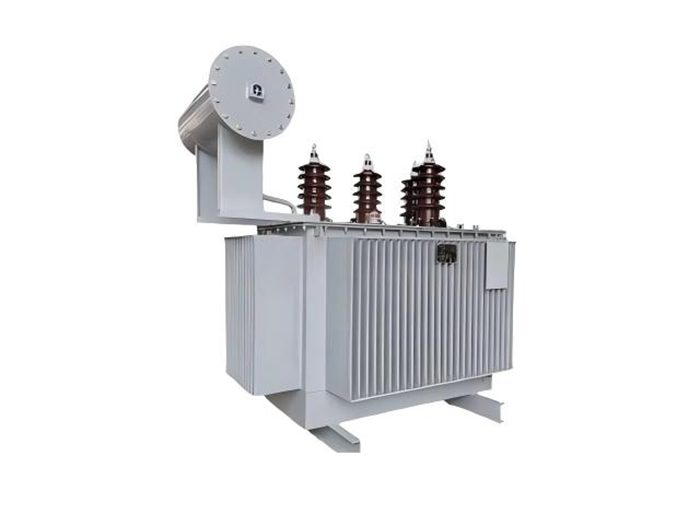
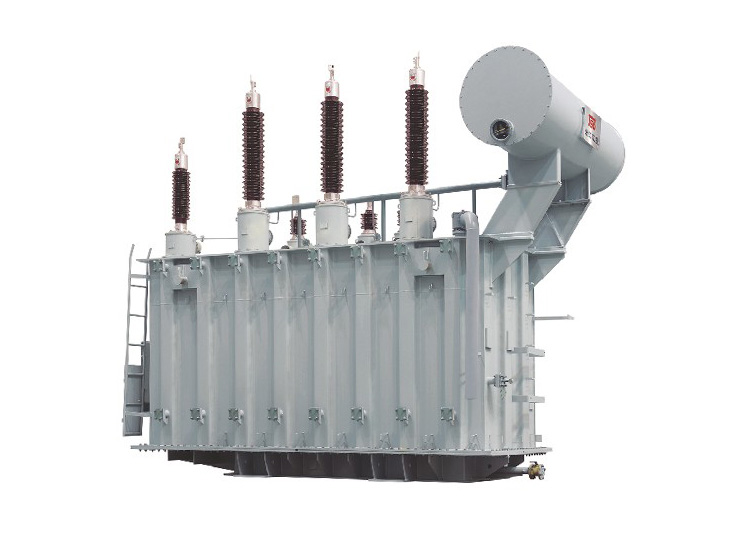
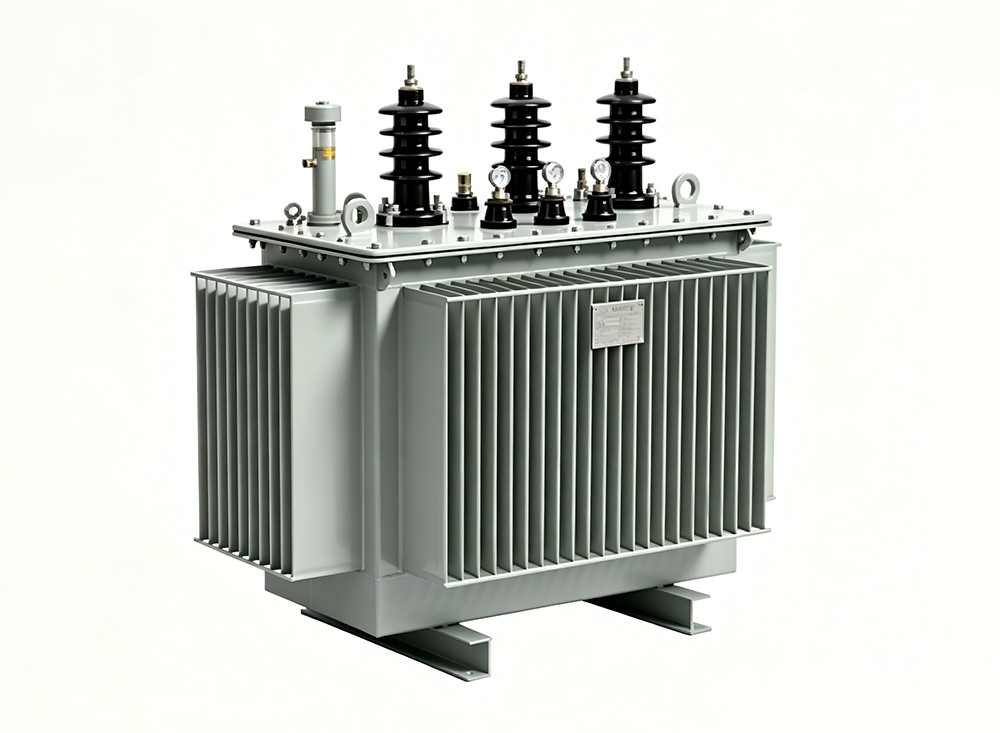
As the worldwide transition toward clean electrification, decentralized power generation, and metropolitan re-densification accelerates, power utilities and heavy industrial operators face a multifaceted dilemma: how to deliver vast amounts of electrical energy while strictly confining civil footprint, shortening engineering lead times, and ensuring uninterrupted operational safety. In traditional power architecture, substation design relies on sprawling open-air switchyards requiring extensive land acquisition, protracted on-site assembly, and complex environmental mitigation. Today, the convergence of High-Voltage (HV) and Ultra-High Voltage (UHV) transformer engineering with Outdoor Compact Package Substations (often referred to as modular kiosk substations or skid-mounted containerized substations) represents a monumental paradigm shift.
The international power transmission market has witnessed an unprecedented surge in demand for prefabricated, factory-tested, compact substations capable of stepping down voltages from transmission levels (including 110kV, 220kV, and regional high-capacity corridors) directly to medium-voltage distribution circuits (such as 35kV, 20kV, and 10kV). By packaging the central power transformer, gas-insulated or solid-insulated switchgear (GIS/SIS), intelligent secondary automation, fire suppression systems, and thermal cooling matrices into a singular, weather-sealed monobloc housing, capital expenditure (CAPEX) is reduced by up to 35%, and on-site commissioning time is slashed from months to a matter of days.
By optimizing internal phase-to-phase dielectric clearance, utilizing high-permeability grain-oriented silicon steel or amorphous cores, and pairing them with gas-insulated switchgear, package substations achieve unprecedented spatial efficiency in congested urban and industrial zones.
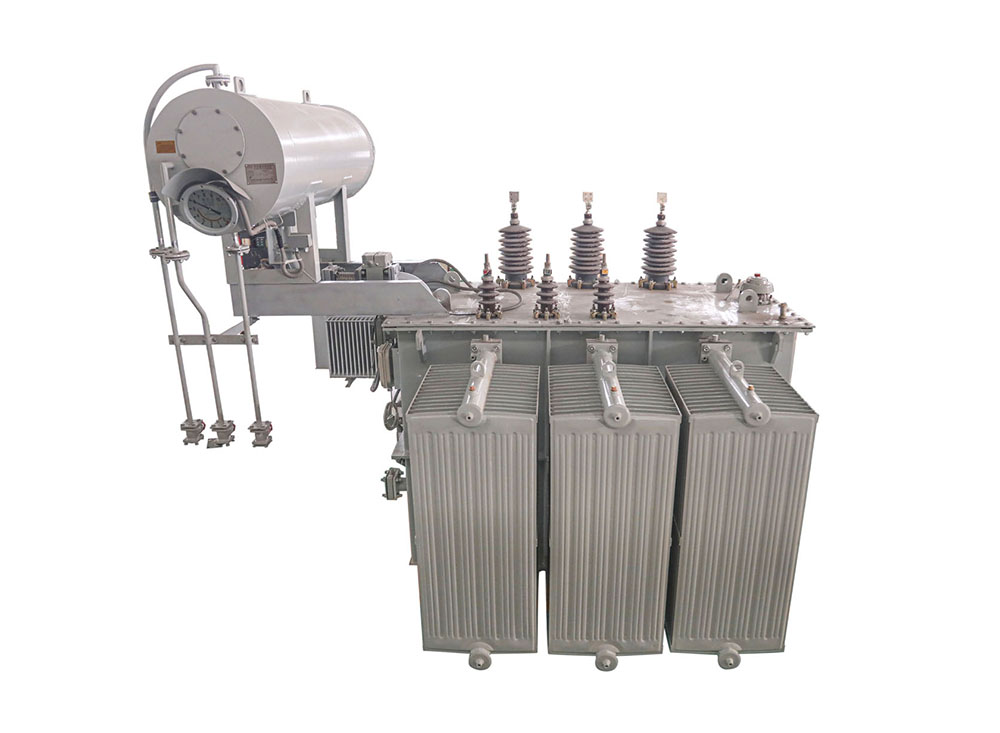
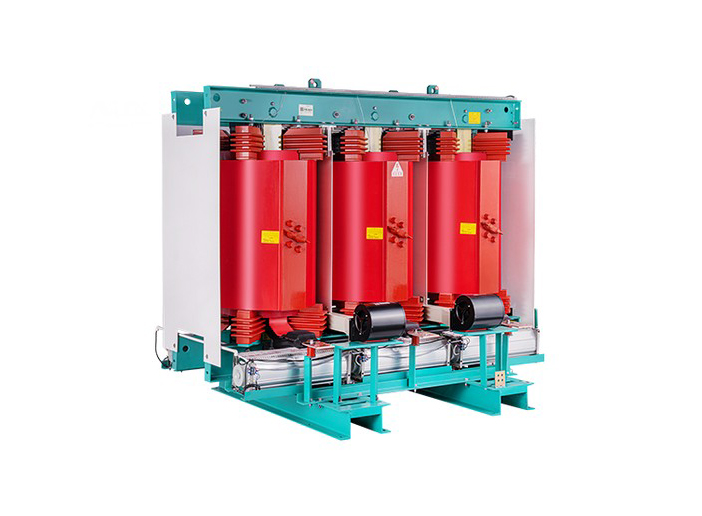
Hermetically sealed oil-immersed tanks and dry-type architectures housed in IP54 to IP66 dual-skin enclosures offer supreme protection against saline sea fog, desert sandstorms, extreme seismic activity, and arctic temperatures ranging from -50°C to +55°C.
Integrated fiber-optic thermal probes, continuous dissolved gas analysis (DGA), online partial discharge (PD) tracking, and IoT-driven digital twins enable condition-based predictive maintenance, eliminating catastrophic outages before they occur.
Housing large electromagnetic induction units inside restricted outdoor enclosures introduces extreme mechanical and thermodynamic challenges. As operating voltages escalate into transmission thresholds, electromagnetic flux density and stray field losses create localized hotspots that jeopardize paper-oil insulation longevity.
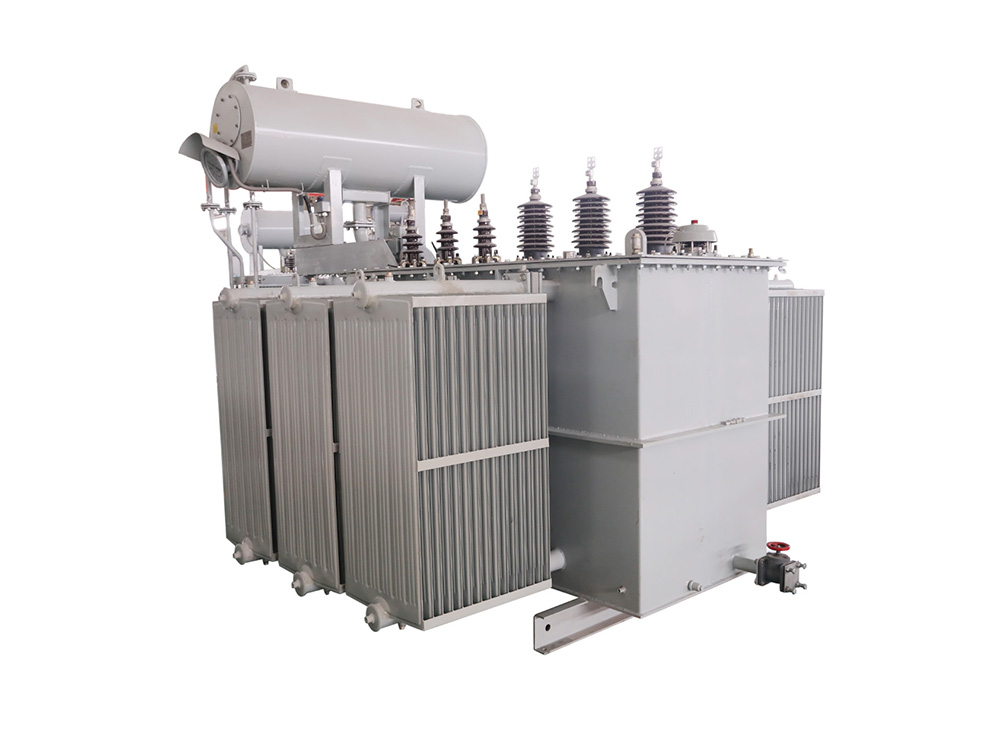
To conquer this, cutting-edge transformer engineering combines Finite Element Method (FEM) 3D electromagnetic simulations with forced-directed oil circulation (ODAF/OFWF) or high-temperature synthetic ester insulating fluids. These fire-safe esters feature flash points above 300°C, offering Class K fire safety compliance without requiring vast gravel oil containment pits—an indispensable advantage for compact urban substations.
Traditional field-erected high-voltage substations demand months of civil works, oil-filling on site under strict vacuum conditioning, intricate busbar alignment, and vulnerable exposure to dust and humidity.
Conversely, modern compact package substation integration delivers a 100% factory-assembled, sealed, and routine-tested unit directly to the foundation pad. Plug-and-play medium and high-voltage separable connectors (such as inner cone or outer cone plug-in terminations) reduce site hookup duration to under 48 hours.
| Evaluation Parameter | Conventional Open-Air AIS Substation | Indoor Brick-and-Mortar Substation | Outdoor Compact Package Substation (Integrated) |
|---|---|---|---|
| Land Footprint Required | 100% (Baseline - 2,500 to 5,000 m²) | 50% – 60% of Baseline | 15% – 30% of Baseline (Extremely Compact) |
| Engineering Lead Time | 12 – 18 Months | 9 – 14 Months | 2 – 4 Months (Factory Prefabricated) |
| Civil & Installation Costs | Very High (Vast foundations, trenches, fencing) | High (Multi-story structural masonry) | Ultra-Low (Single perimeter concrete pad) |
| Environmental Contamination Risk | Moderate to High (Weather exposed oil leaks) | Low (Contained indoors) | Zero Risk (Integrated double-hull catchment) |
| Seismic & Wind Resistance | Vulnerable busbars & porcelain bushings | Dependent on building structural design | Seismic Zone 4 Certified & Typhoon Class |
| Acoustic Emission (Noise) | Free-field propagation (65 - 75 dBA) | Damped by thick walls (55 - 60 dBA) | Sound-attenuated baffle casing (< 48 dBA) |
The versatile integration of heavy-duty power transformers into outdoor prefabricated compact substations provides tailored power solutions across mission-critical industrial, utility, and civil applications.
Solar PV arrays and wind generation plants are typically situated in remote geographical areas characterized by intense solar irradiance, volatile wind drafts, and wide ambient temperature fluctuations. Compact package step-up substations (typically 0.69kV or 0.8kV to 35kV or 110kV) are deployed directly at central collection points. Their integrated skid architecture eliminates dust accumulation on live parts, mitigates inverter harmonics, and streamlines connection to regional transmission corridors.
Grid-scale BESS facilities require rapid four-quadrant bidirectional power flow with sub-second response times. Integrated package substations housing transformers with multi-winding configurations (dual, triple, or quadruple low-voltage windings) connect multiple central battery inverters to the high-voltage grid. Strict thermal decoupling prevents transformer heat from degrading sensitive lithium battery enclosures nearby.
Electrochemical chlor-alkali facilities, steel smelting electric arc furnaces (EAF), and green hydrogen electrolyzer plants operate under harsh electrical stress with severe non-linear harmonic distortion, cyclic loading, and chemical fumes. Package substations built with heavy electromagnetic reinforcement and anti-corrosive C5-M marine-grade powder coatings ensure uninterrupted industrial uptime without risk of insulation failure.
Modern electrified rail networks impose intense, repetitive shock loads and unbalanced phase shifts on the bulk supply grid. Specialized Scott-T or V/V connected transformers integrated into rail-side prefabricated kiosk stations provide efficient step-down conversion from 110kV/220kV transmission directly to 27.5kV catenary lines, maintaining line balance while resisting severe wayside track vibrations.
AI compute clusters and cloud facilities demand continuous Tier IV power reliability with redundant primary feeds. Compact package substations positioned directly adjacent to modular server halls deliver ultra-dense power transformation with lowest possible electrical losses, ensuring high Power Usage Effectiveness (PUE) ratios and instant On-Load Tap Changing (OLTC) voltage stabilization.
Open-pit copper and lithium extraction operations require mobile, skid-mounted package substations that advance alongside open excavation faces. Robust structural steel chassis, integrated dry-type or sealed oil-immersed transformers, and plug-in rapid disconnects empower mining operators to reposition multi-megawatt high-voltage substations with ordinary heavy-haul cranes.
Quality excellence and customer satisfaction remain the core values that guide every aspect of XINSANHUAN’s business operations. Through strict quality assurance, reliable delivery schedules, and comprehensive after-sales support, the company has earned the trust and long-term cooperation of customers around the world. Its commitment to providing dependable products and professional services has established a strong reputation within the global power equipment industry.
Every step of transformer core winding, insulation drying, vacuum oil injection, and enclosure sealing is executed under ISO 9001, ISO 14001, and ISO 45001 management protocols. Rigorous full-type routine testing—including lightning impulse tests, temperature rise simulations, audible noise profiling, and short-circuit withstand tests—guarantees absolute compliance with IEC 60076, IEEE C57, and ANSI engineering standards.
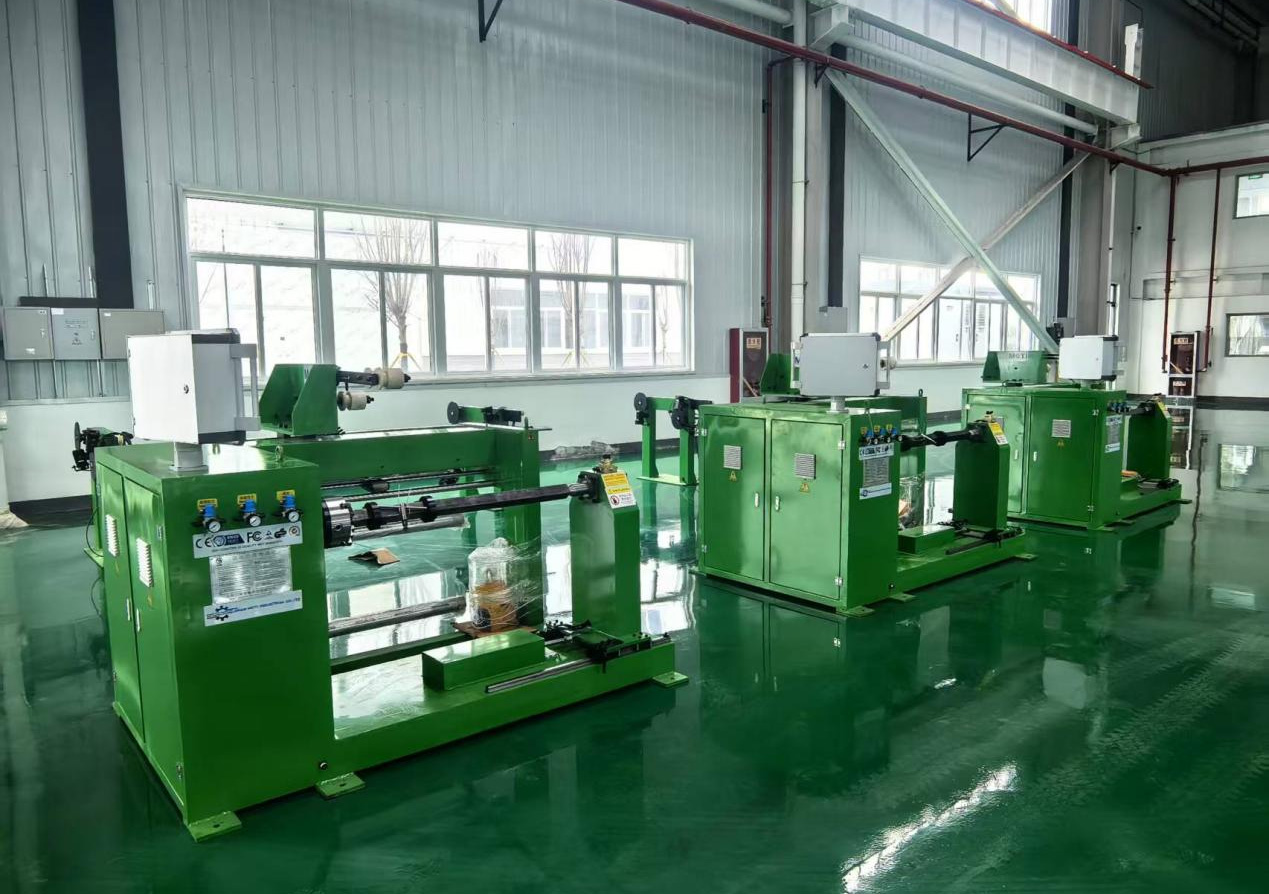
Today, XINSANHUAN’s products are exported to more than 30 countries and regions worldwide. Its international footprint spans Europe, Central Asia, Southeast Asia, Africa, and Latin America, with successful projects completed in countries such as Russia, Kazakhstan, Uzbekistan, Kyrgyzstan, Ethiopia, Zambia, Tanzania, Mexico, Honduras, and many others. The company’s products are widely recognized for their excellent operational performance, high efficiency, durability, and adaptability to diverse climatic and grid conditions.
Whether braving the sub-zero Siberian steppes in Kazakhstan and Russia, enduring the high-altitude conditions of Ethiopia and the Andes in Latin America, or operating in the humid tropical corridors of Southeast Asia, XINSANHUAN prefabricated transformers and compact substations continuously prove their superior thermal margin, corrosion immunity, and unwavering operational reliability.
Looking toward the future, Hanzhong Xinsanhuan Transformer Co., Ltd. will continue to uphold its philosophy of integrity, innovation, quality, and customer focus. By leveraging its strong technical expertise, advanced manufacturing capabilities, and global market experience, the company is committed to building long-term partnerships with customers worldwide and contributing to the development of safe, efficient, and sustainable power infrastructure. Together with its partners, XINSANHUAN strives to create greater value and shape a brighter future for the global energy industry.
Explore our certified full-spectrum engineering lineup, engineered to satisfy diverse voltage thresholds, earthing requirements, and rigorous environmental certifications for international substation projects.